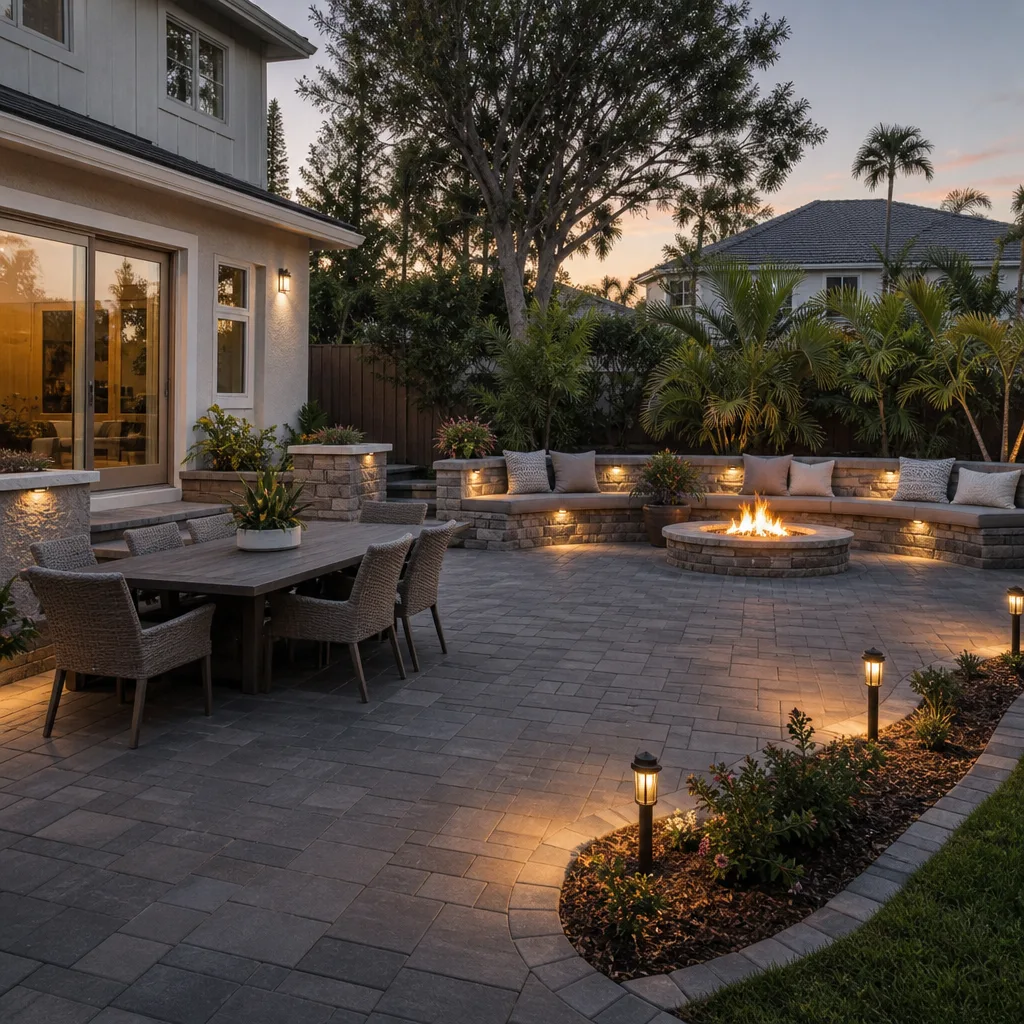
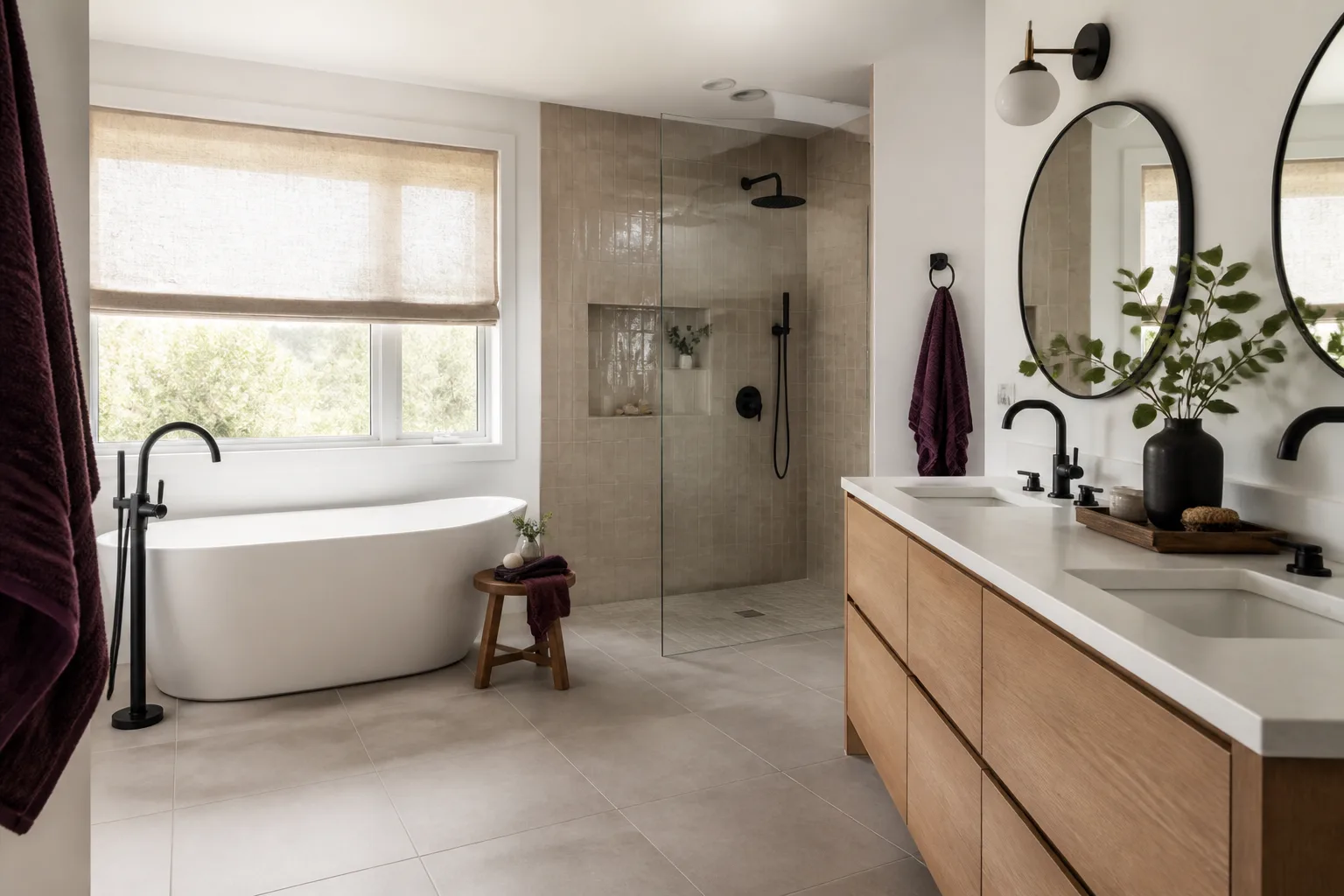
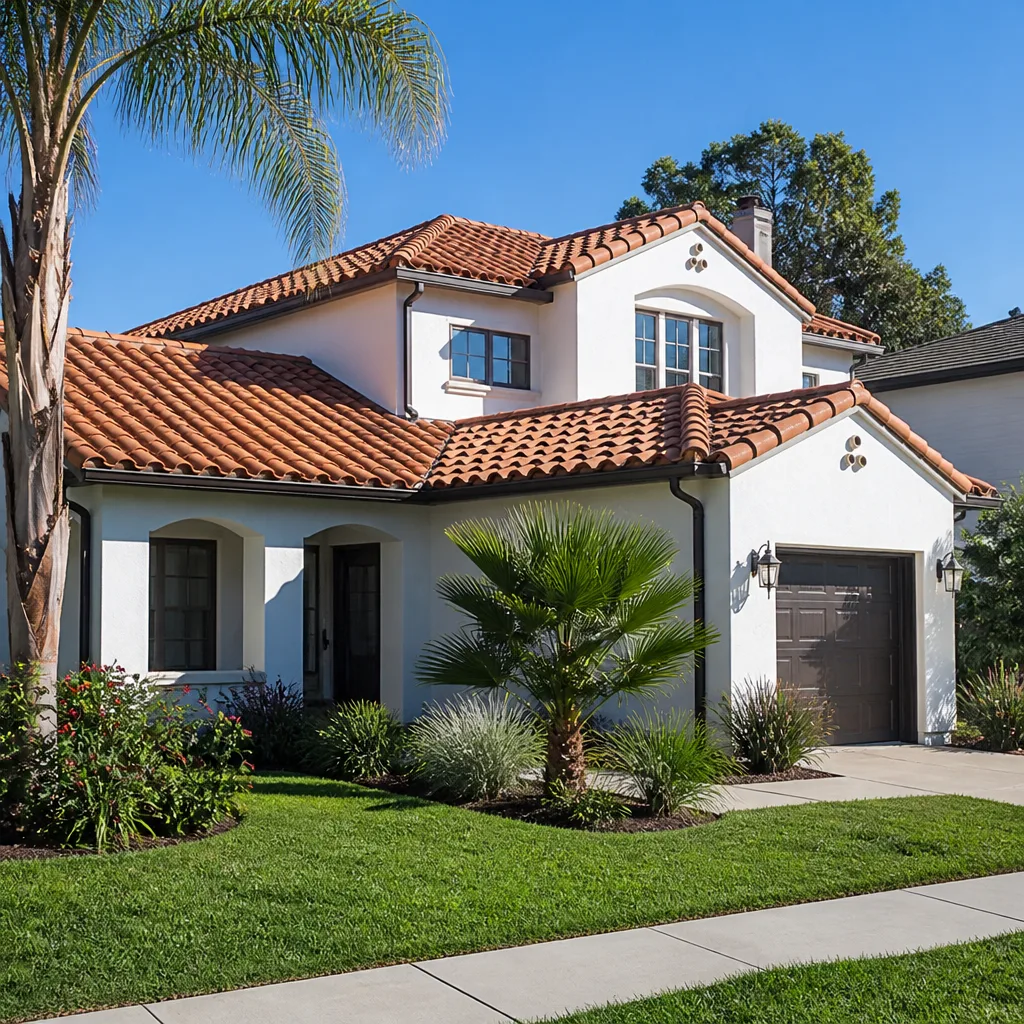
Free written scope consultation - allowances, timeline, and change-order rules on paper before a single trade is scheduled
Styles & brands we work with
- Kitchen remodeling
- Bathroom remodeling
- Home additions & ADU
- Roofing
- Windows & doors
- Driveway & pavers
- Fence
See the difference
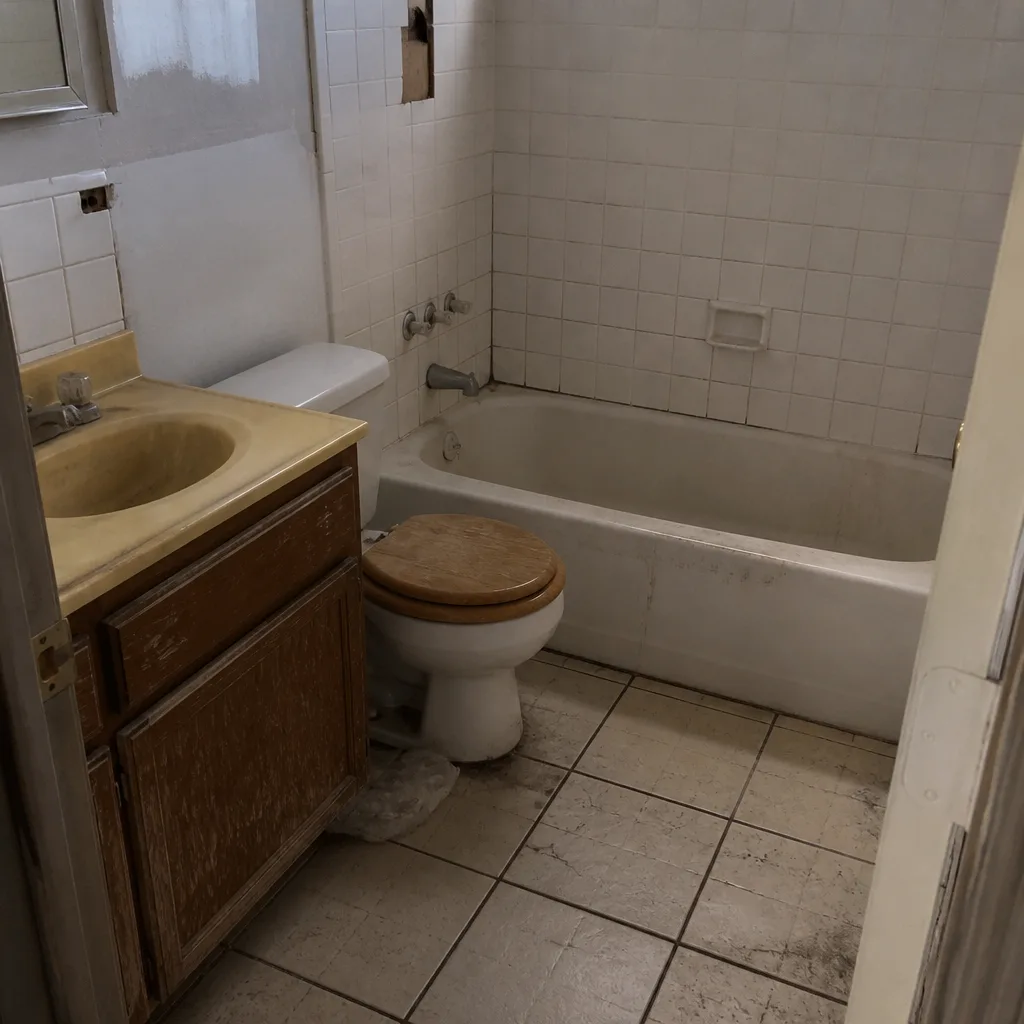 Before
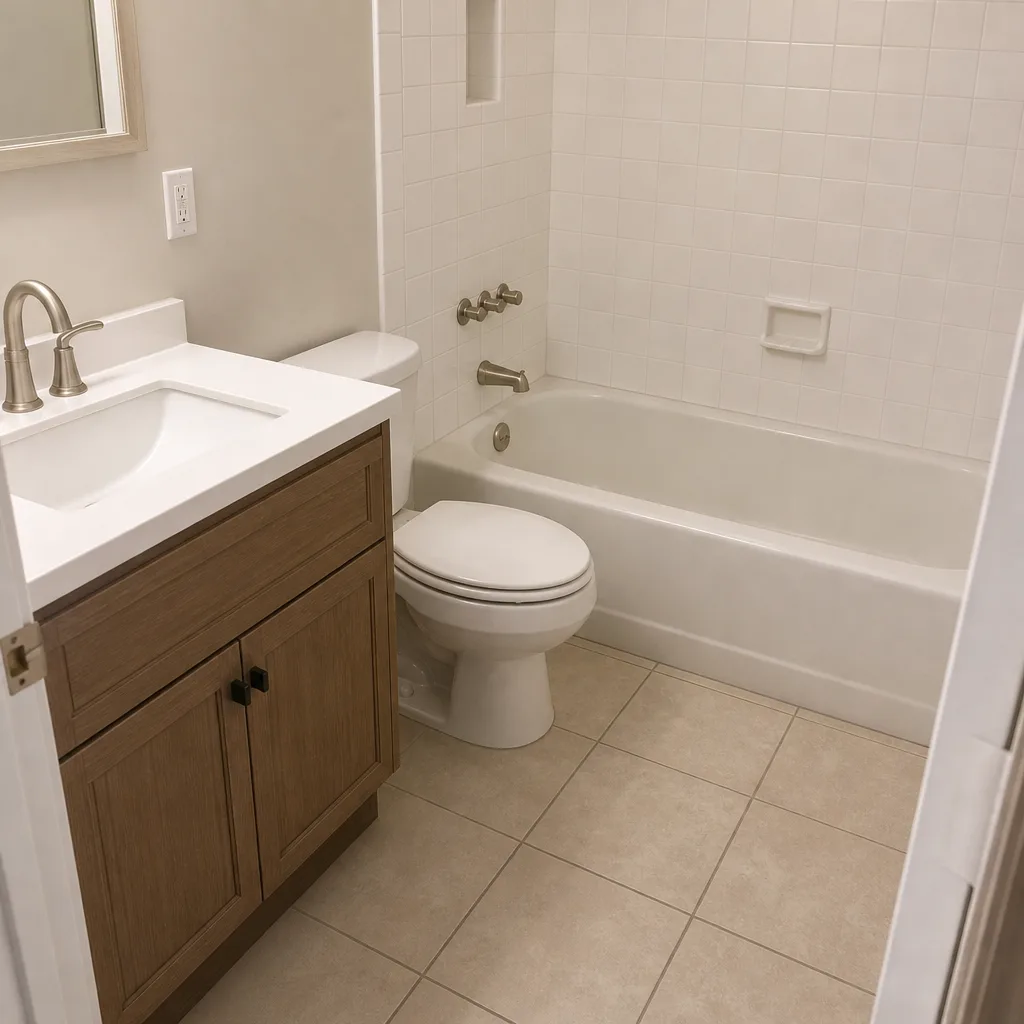 After
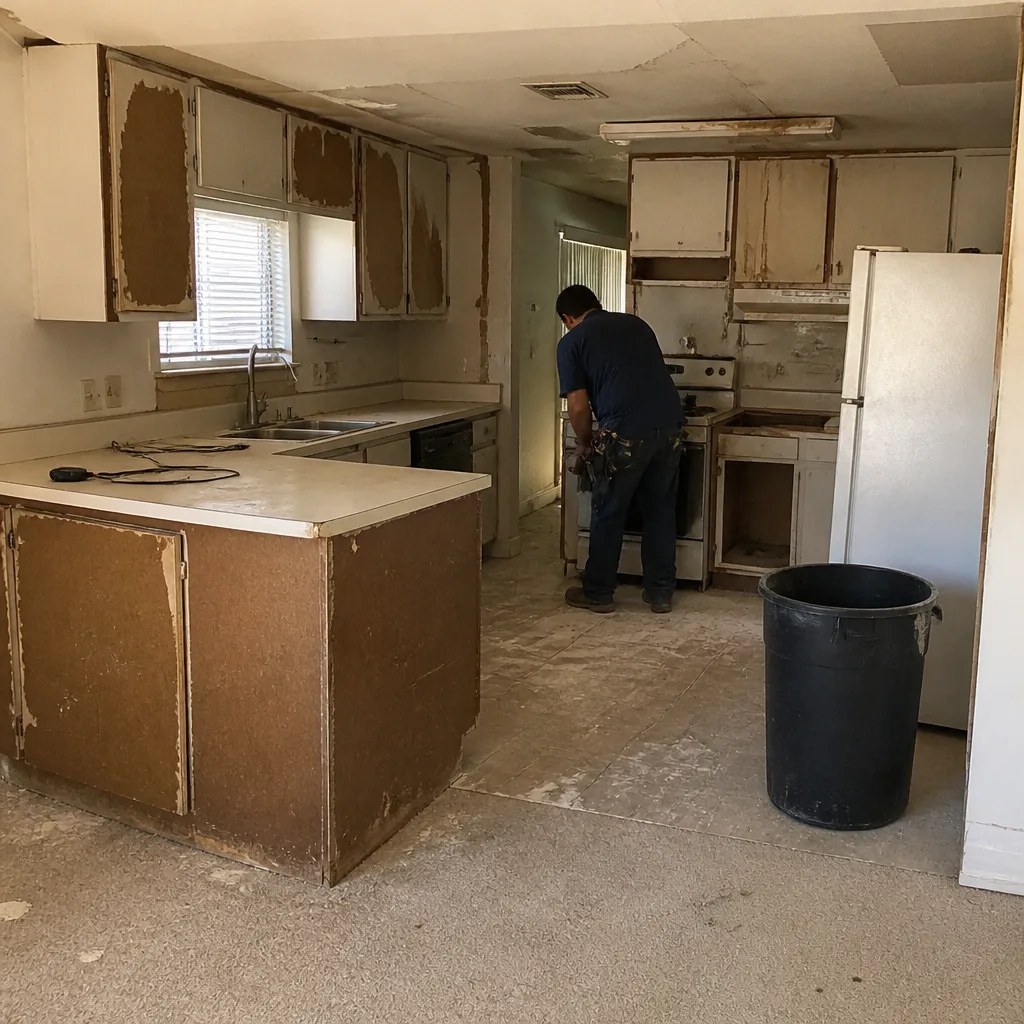 Before
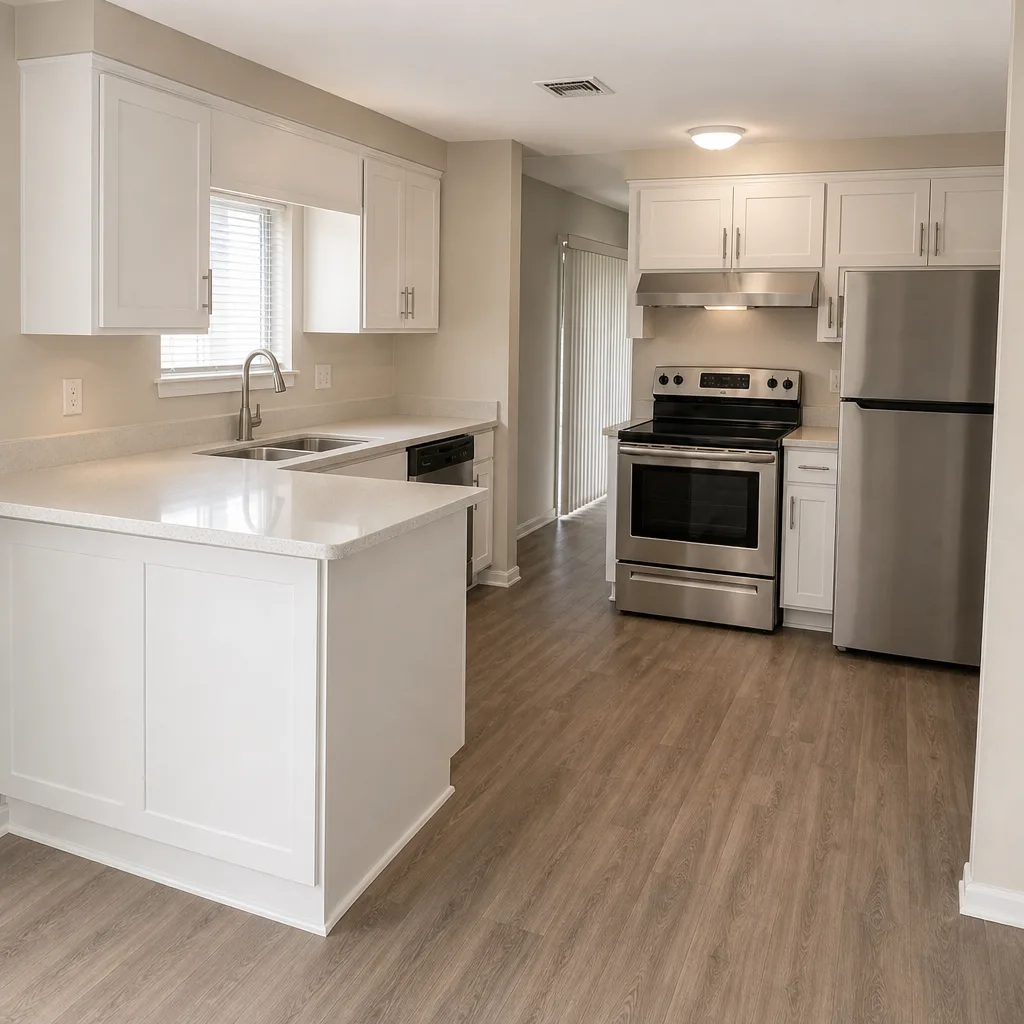 After
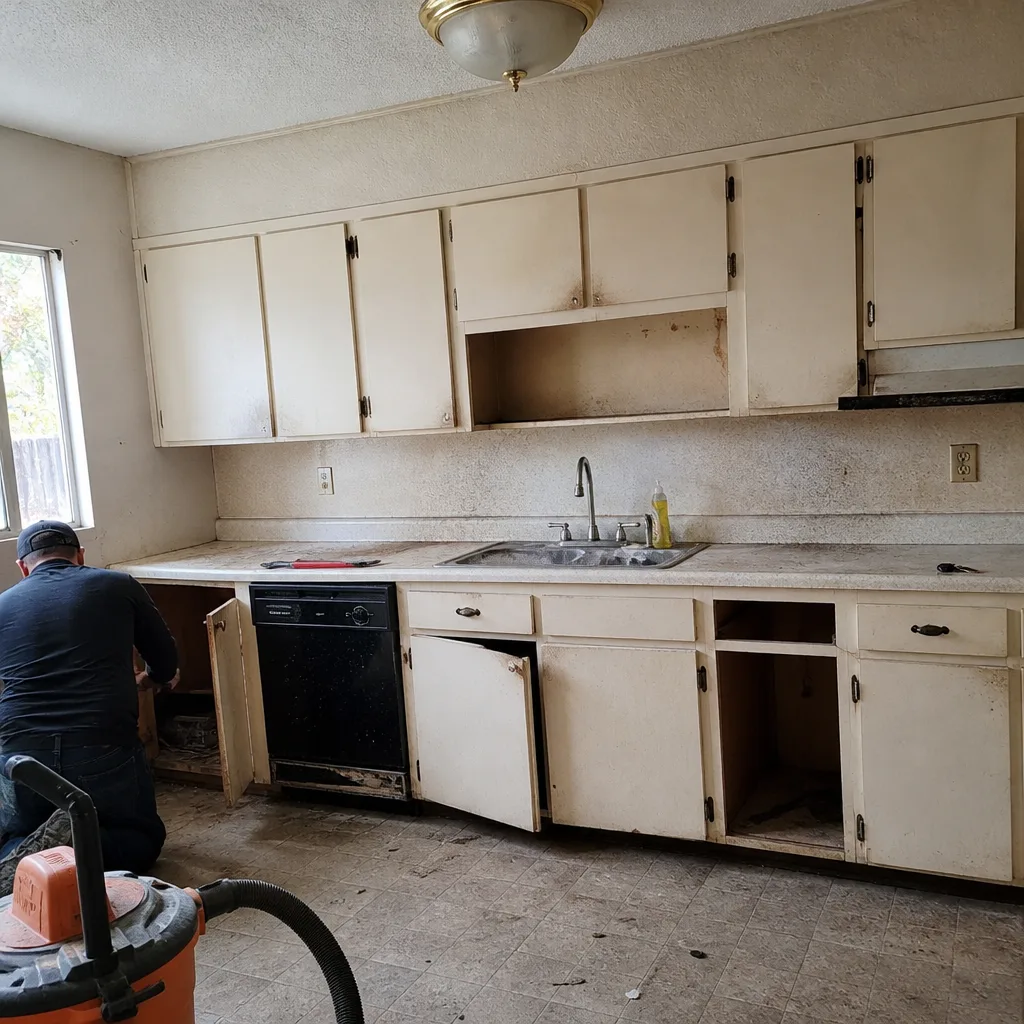 Before
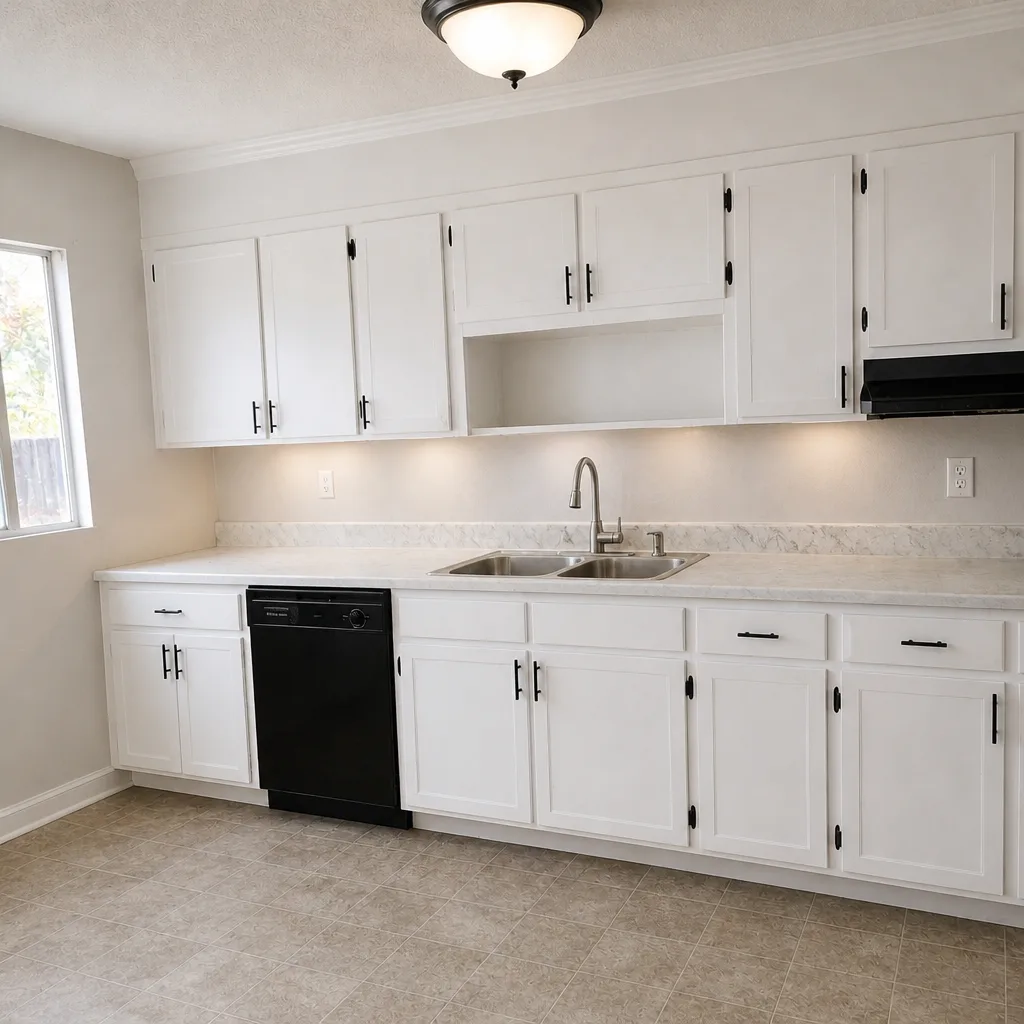 After
How to Choose a General Contractor in Las Vegas: Two Questions That Matter More Than License and Insurance
To choose a general contractor in Las Vegas, skip past the standard license-and-insurance checklist and ask two harder questions first: can they show documented slab-on-grade experience on expansive clay soil, and does their contract contain a signed change-order clause that stops cost escalation once work starts? A licensed, insured GC still finishes 20-30% over budget in this market when verbal approvals replace signed change orders, and still hands back a cracked slab when they pour at 10 a.m. in July. If you’d rather have a written second opinion before you sign, call (833) 467-9123.
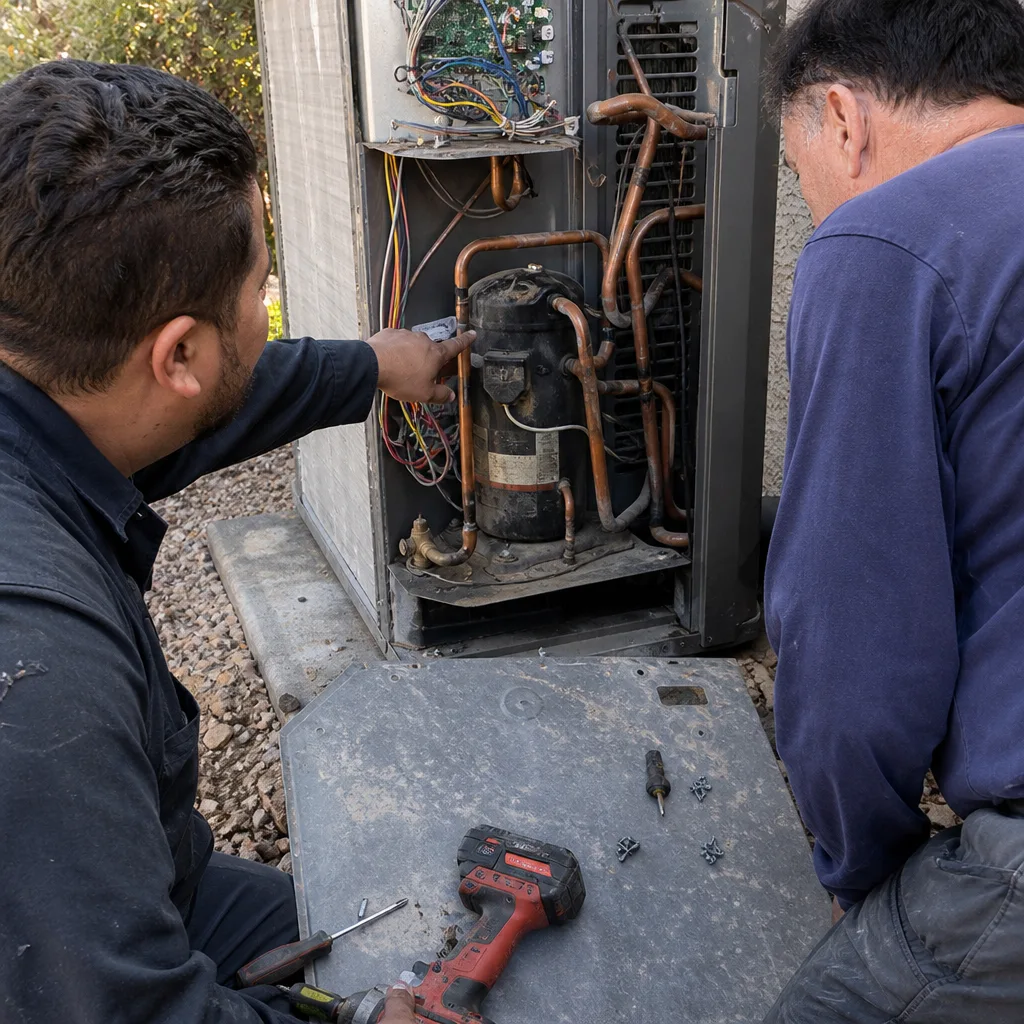
Here’s the problem nobody warns you about. Every “how to choose a contractor” article opens with check the license, ask for references, get three bids. None of those tell you whether the GC standing in your Summerlin kitchen understands that a slab poured after 8 a.m. in July will craze and crack before lunch, or whether they’ll bill you to fix it. Las Vegas is a specific construction environment, and the questions that protect your money here aren’t the generic ones.

Why the standard vetting checklist falls short in Las Vegas
Las Vegas sits on expansive clay soils that swell and shrink with irrigation and monsoon moisture. Summer highs run past 105°F, and the July-September monsoon swings soil moisture hard enough that foundation cracks and block-wall separation become a recurring call every fall. Winter nights near freezing add another cycle. None of that fits on a checklist that was written for a temperate suburb, and none of it shows up in a license lookup.
A GC with a valid Nevada license can still be wrong for your job. The license proves they’re allowed to contract. It doesn’t prove they’ve scheduled a concrete pour for dawn and shaded it through cure, and it doesn’t tell you what happens when their first pour cracks and the crew comes back for round two. That gap is where budgets die.
The three questions that actually vet a Las Vegas GC
1. “Show me documented slab-on-grade work on expansive clay.”
Ask for addresses or job records of slab-on-grade pours in the valley, not photos of finished kitchens. You want to hear how they handle soil prep: over-excavation depth, moisture conditioning before the pour, and whether they wet-cure. A crew that has done this here will answer in specifics within a sentence. A crew that hasn’t will pivot to how nice the flooring looks.
2. “What’s your summer concrete pour protocol?”
In July, the answer should include an early-morning start, shade or wind screens, evaporation retarders, and wet curing. Concrete poured into 110°F air with a dry wind will set faster than the finisher can work it, and that’s a surface that crazes and spider-cracks within hours. If they can’t describe the protocol, they’re either guessing or planning to blame the weather later.
3. “Read me your change-order clause, word for word.”
This is the one that saves real money. A signed change-order clause means no dollar gets added to the project without a written change order that you sign first. The opposite is the local norm: a verbal “we hit a snag, it’ll be a bit more” that never gets documented, and the 20-30% overage arrives with the final invoice. Verbal approval is how Las Vegas renovations blow past budget without anyone able to point at where it happened.
What a signed change-order clause actually protects
It protects the number. Not the schedule, not the tile selection, the number you agreed to. Under Rowan Construction Group Las Vegas’s Haven Standard, Clause 1 is the whole point: a written price with a written scope before anyone picks up a tool, and no change proceeds until the change order is signed. That single discipline is why Rowan’s projects across 4,000-plus jobs have finished within a few percent of the agreed cost rather than tens of thousands beyond it.
Compare that to the verbal-approval standard most homeowners are used to. A mid-project discovery, a phone call, a “yeah go ahead,” and the cost becomes a memory rather than a document. When a GC can’t produce a written change-order clause, assume the budget is open-ended and price your risk accordingly. “We’ll work it out” is not a clause.
Ask the same question about the warranty. Ours is the 365-Day Done Right Promise: if it’s not done right, we make it right, printed on the page and backed by terms, not an asterisk. A warranty you can read beats a handshake you can’t.
Read the material spec, not just the total
A written quote that names the brand and product is auditable. A quote that says “architectural shingle” and “allowance for countertops” is a blank check, because the allowance is a guess and the shingle could be anything. Here’s what the difference looks like across trades:
| Trade / Project | Las Vegas price range | What a good spec names |
|---|---|---|
| Roof replacement | $8,000-$20,000 | The exact product line, e.g. GAF Timberline HDZ, not “architectural shingle” |
| Kitchen remodel | $14,000-$45,000 | Cabinet line (KraftMaid, Wellborn), countertop slab (Cambria, Caesarstone) |
| Window replacement | $4,500-$15,000 | Frame and glass spec, brand like Therma-Tru or ViewLux, impact rating where required |
| Home addition | $45,000-$130,000 | Written scope plus a change-order clause, not a lump sum and a promise |
| ADU construction | $90,000-$220,000 | Full written scope, signed change-order terms, photo record in the contract |
When the quote names GAF versus Owens Corning, Cambria versus Caesarstone, Therma-Tru versus a generic door, you can price-check every line. Allowances and vague specs are where the budget quietly moves. Sourcing depth across fifty-plus vetted brands is what lets a written quote carry honest numbers instead of padded ones.
Verify the license the right way
Look the GC up on the Nevada State Contractor Licensing Board’s public search and do three things with what you find. Confirm the license is active, confirm the trade classification covers your scope (a roofing classification doesn’t cover a structural addition), and confirm the qualifying person matches the company you’re signing with.
Then watch for the trap homeowners miss: an unlicensed subcontractor working under a licensed GC’s project. If an unlicensed sub gets hurt or does defective work, the liability can land on the homeowner, and the GC’s insurance may not cover a crew that wasn’t licensed to be there. Ask who’s on the site and whether every sub is licensed and background-checked before they arrive.
The documentation standard to demand before the crew shows up
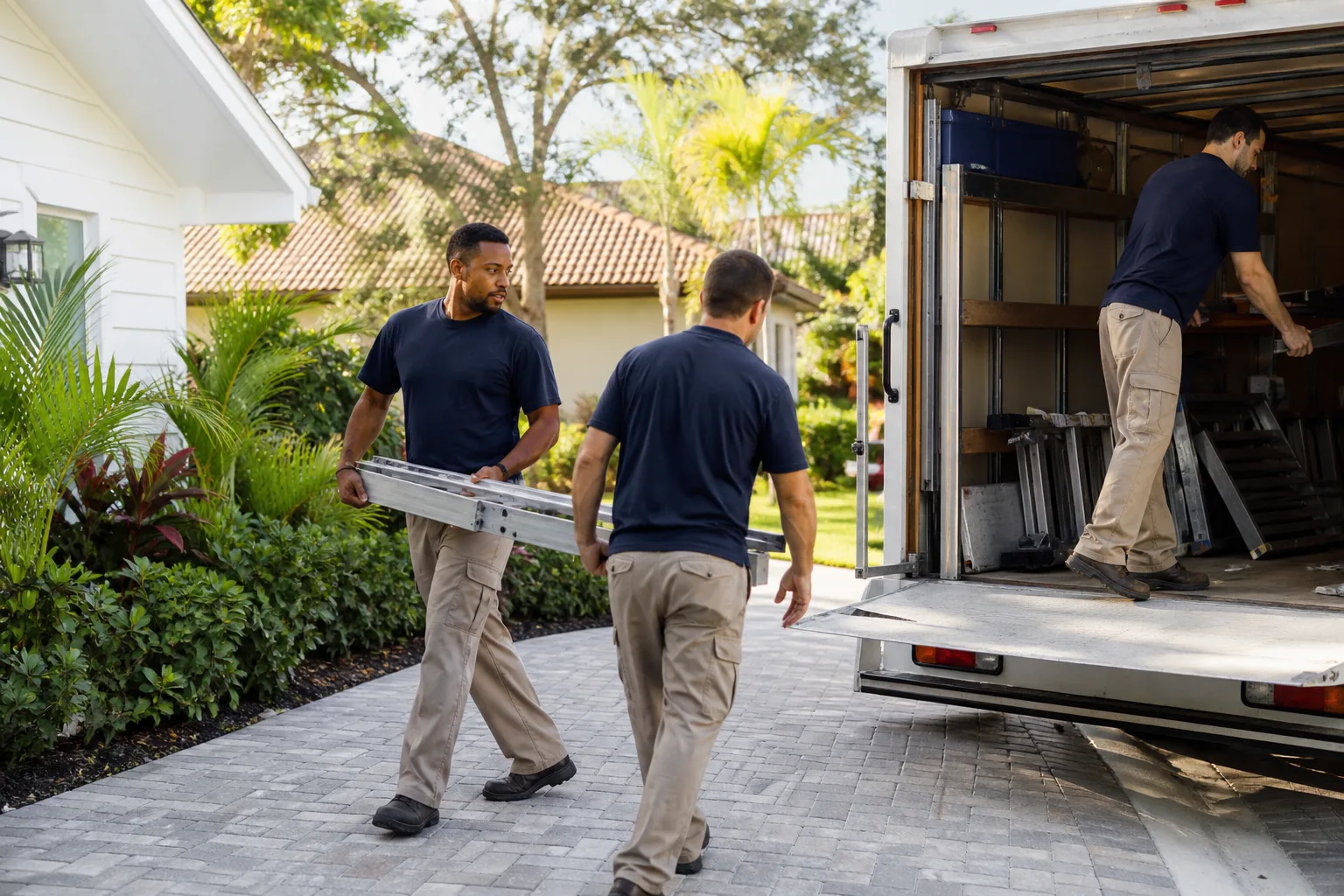
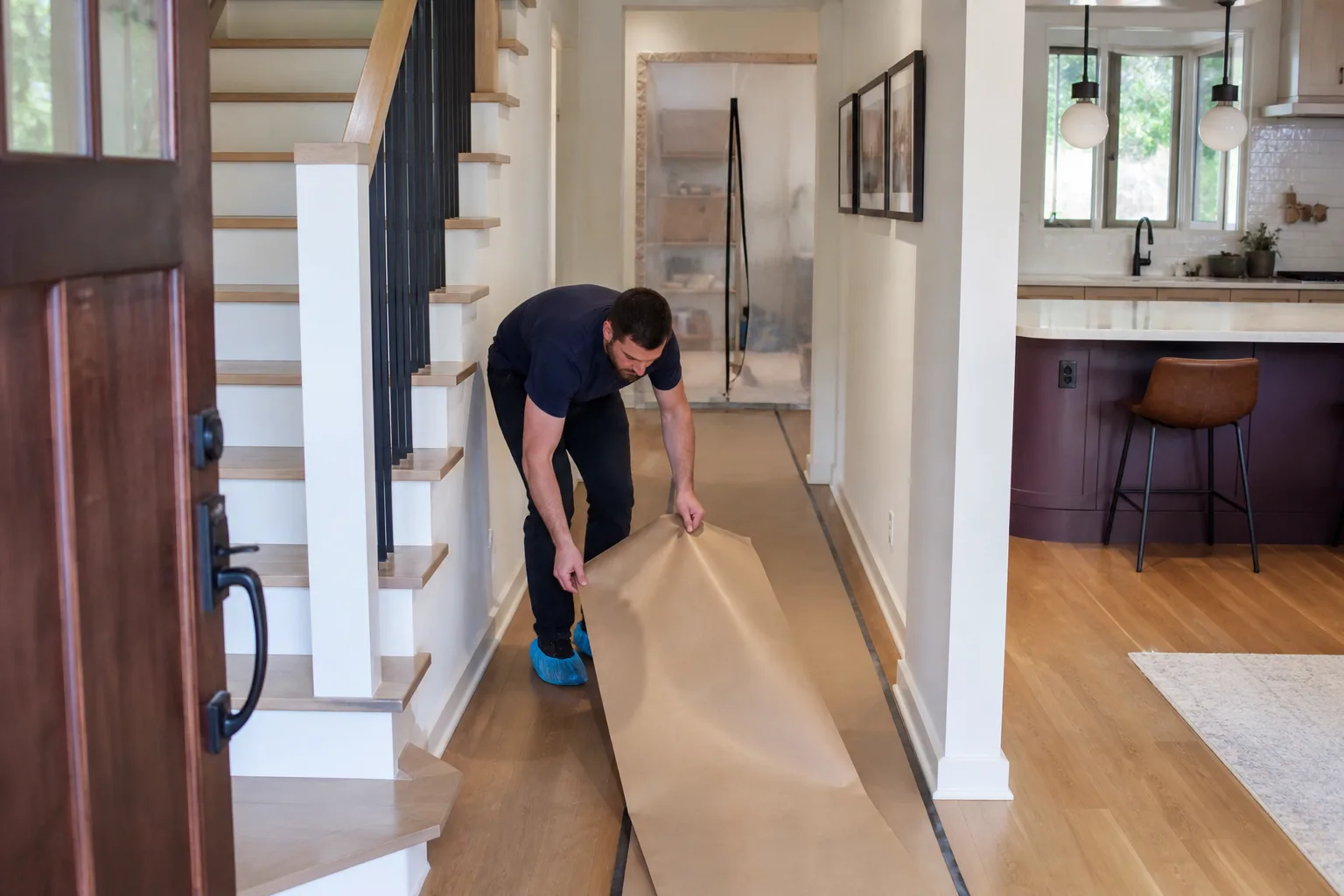
What matters when a warranty call happens 18 months after completion is the record. Background-checked, uniformed technicians and a live person answering the phone are table stakes, not perks. The item most homeowners forget to ask about is a documented photo record of in-wall rough-in work, the framing, plumbing, and electrical before drywall closes over it. Without those photos, a problem in month 18 becomes an argument about what was actually behind the wall. Demand the photos as a standard deliverable, not an upgrade.
Pair that with a free second opinion on any written estimate. Bring a competitor’s quote and it gets reviewed line by line at no charge, which is the cheapest way to know whether the number in front of you is fair. If you’re still mapping out the whole project, start from our home page and work through the trades from there.
FAQs
General contracting in Las Vegas is priced by project rather than by the hour, with kitchen remodels running $14,000-$45,000, bathroom remodels $9,000-$28,000, and home additions $45,000-$130,000. The range depends on scope, materials, and whether the quote is a flat written price or a set of allowances. Call (833) 467-9123 for a written price on your specific project, with a written scope and a written warranty.
Roof repair usually wins when the damage is isolated, at roughly $400-$1,800 for a repair versus $8,000-$20,000 for a full replacement. Once you’re past the second or third patch on the same roof, or the shingle layer count is stacking up, replacement is the cheaper path over time. Call (833) 467-9123 and we’ll tell you which side of that line your roof is on.
Yes. A flat written price with a written scope arrives before any work starts, on every trade, and no change proceeds without a signed change order. That’s Haven Standard Clause 1, and it applies whether the job is a $2,000 countertop or a $130,000 addition. Call (833) 467-9123 for a free estimate.
Look the company up in the Nevada State Contractor Licensing Board’s public database and confirm the license is active, the trade classification matches your scope, and the qualifying person is tied to the company you’re hiring. Then ask whether every subcontractor on the job is licensed too, because an unlicensed sub can shift liability to you. If you’d rather compare a written quote, call (833) 467-9123 for a free second opinion line by line.
If you’d rather have it looked at, Rowan Construction Group Las Vegas offers a no-pressure assessment in Las Vegas. Our technicians have up to 19 years of experience, calls are answered by a live person, and every visit comes with a documented photo record. Call (833) 467-9123 for a free estimate.
Written by the team at Rowan Construction Group Las Vegas, serving Las Vegas, NV.