




Free written scope consultation - allowances, timeline, and change-order rules on paper before a single trade is scheduled
Styles & brands we work with
- Kitchen remodeling
- Bathroom remodeling
- Home additions & ADU
- Roofing
- Windows & doors
- Driveway & pavers
- Fence
See the difference
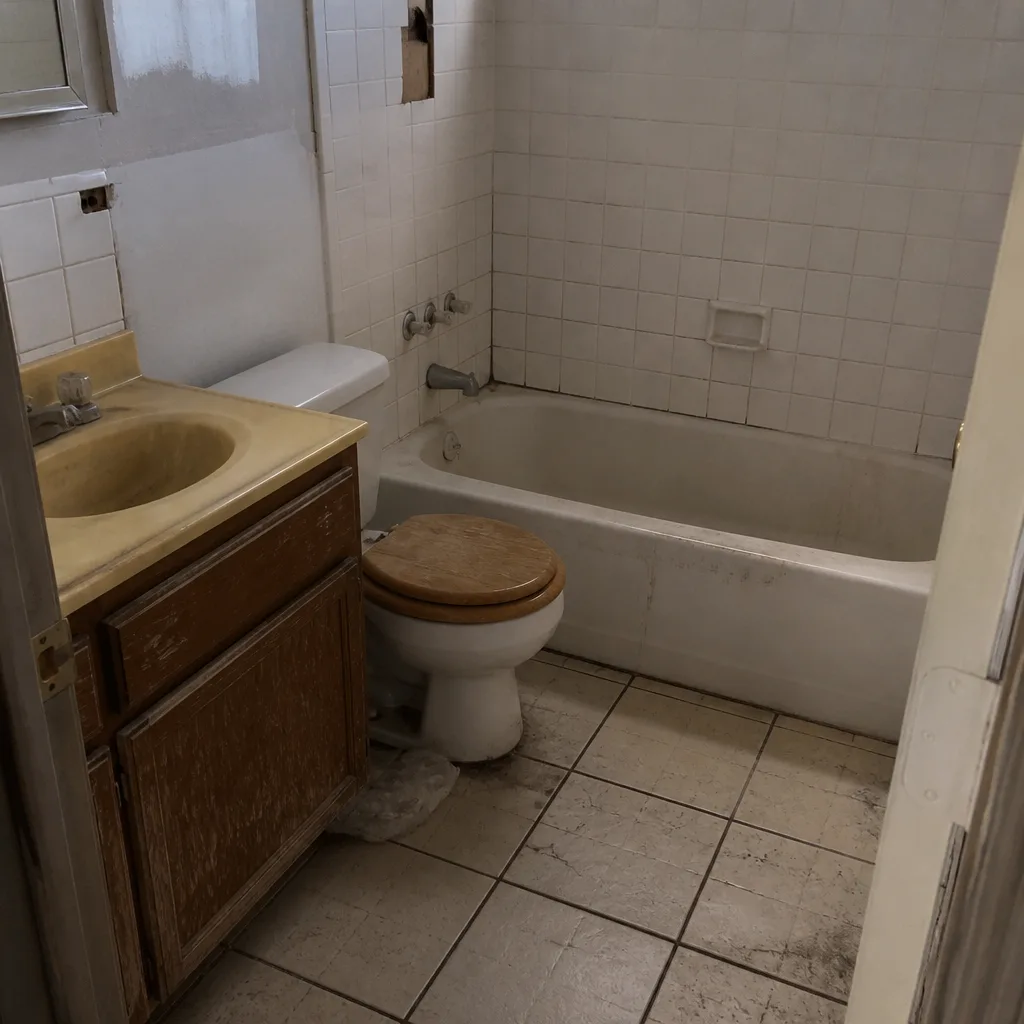 Before
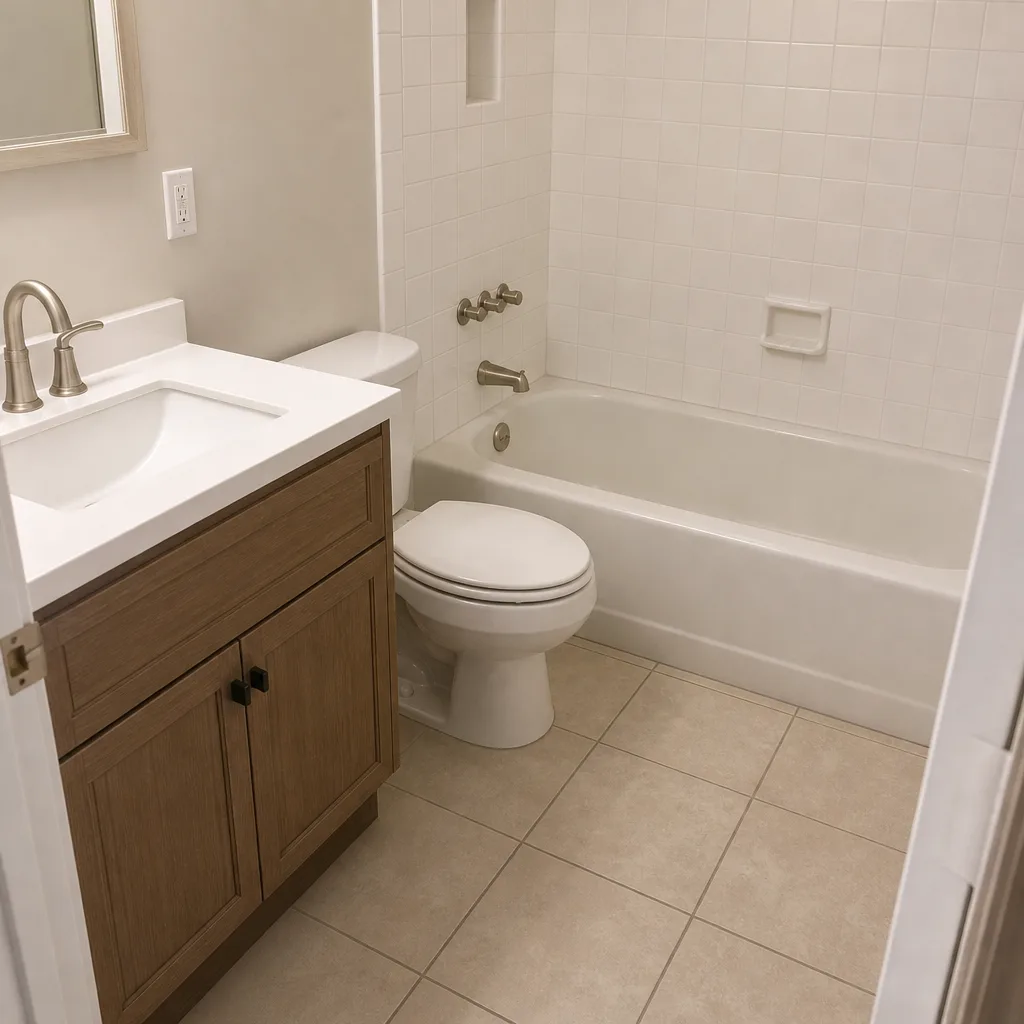 After
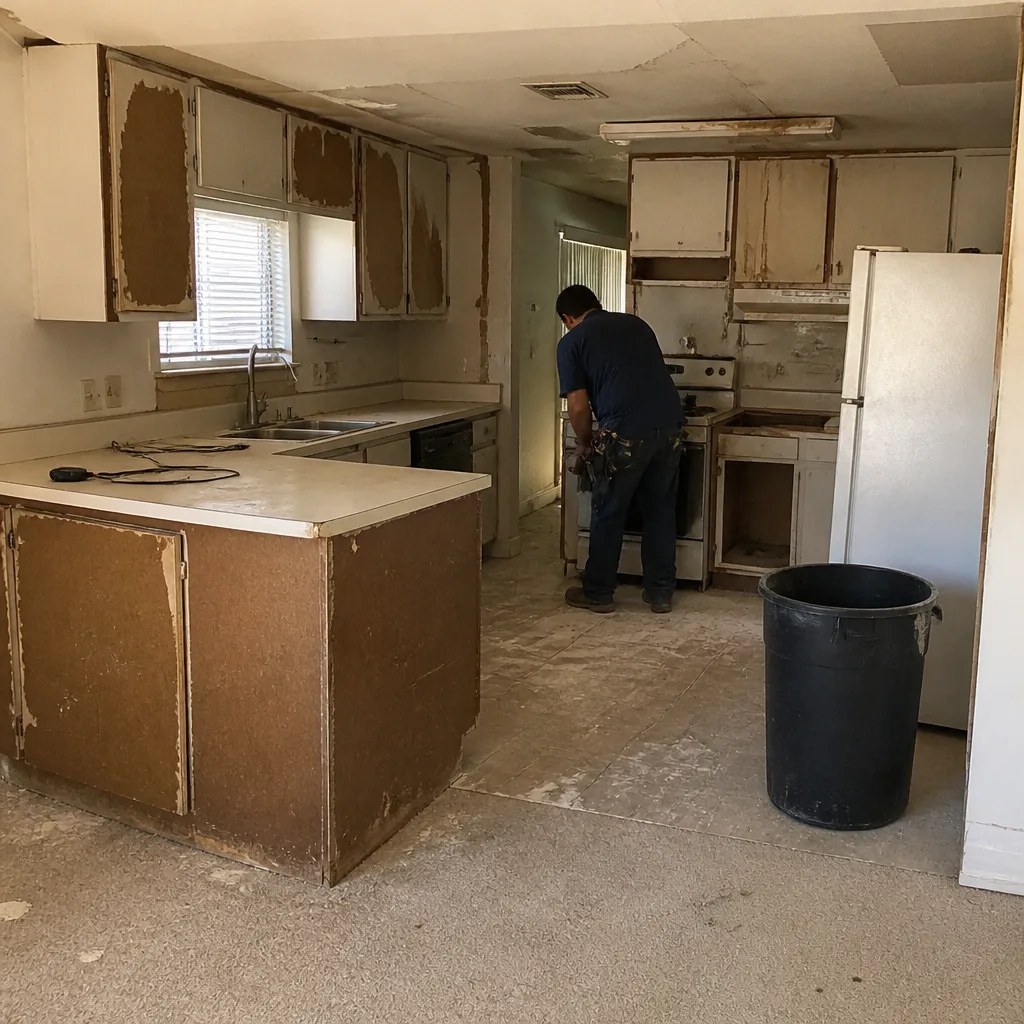 Before
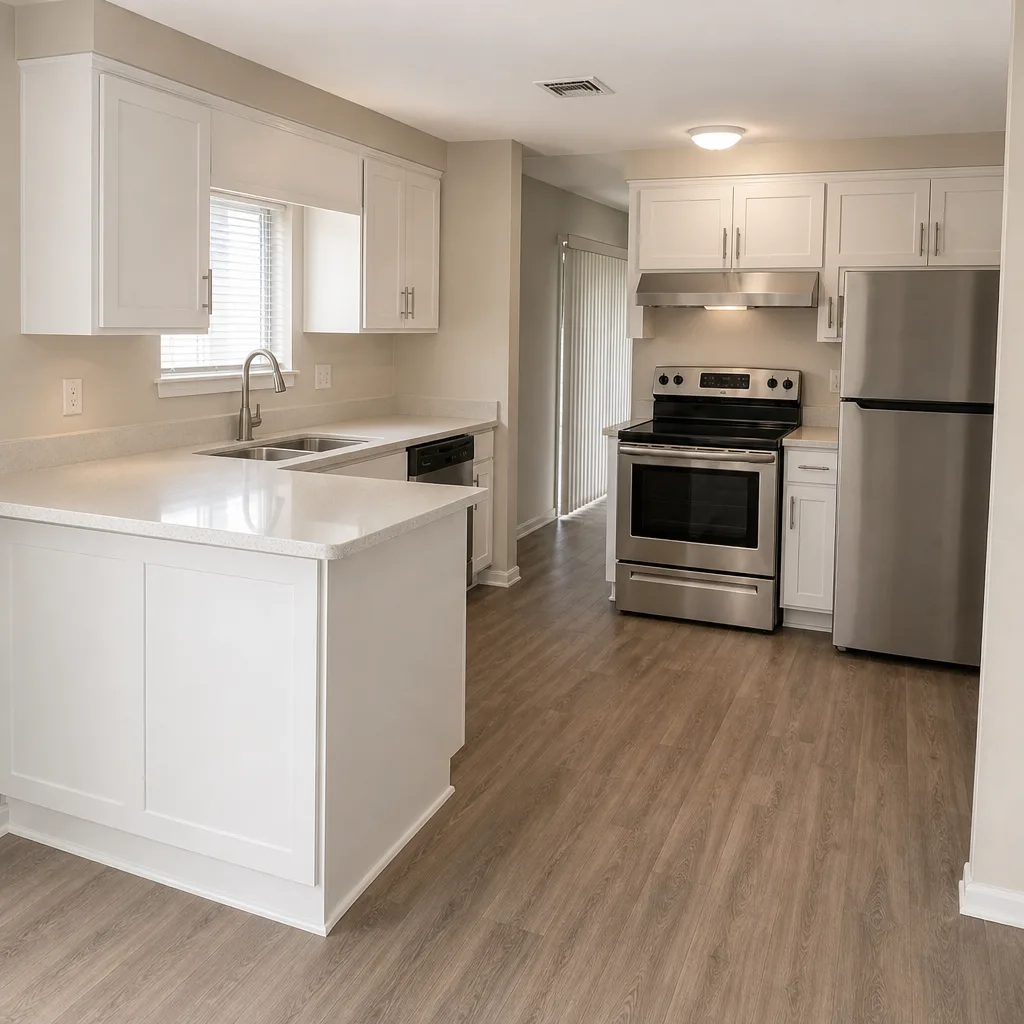 After
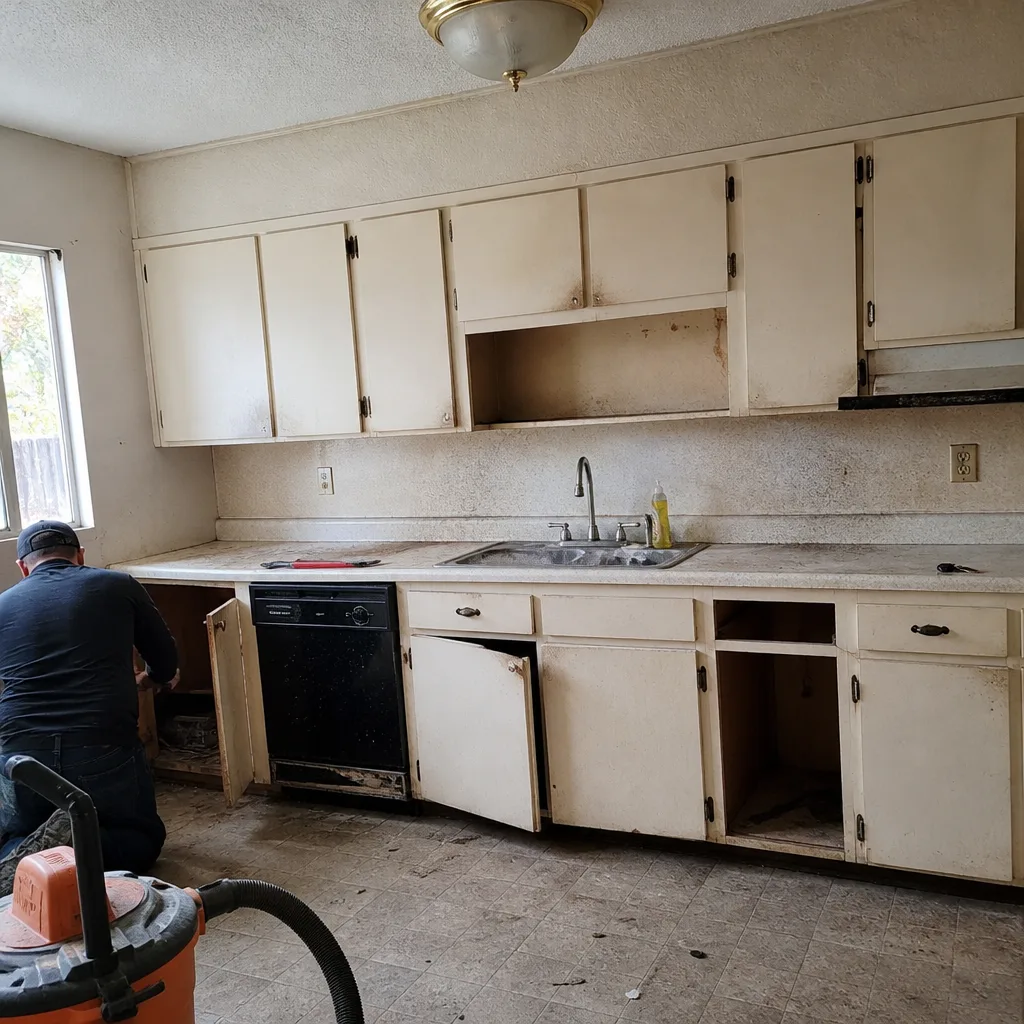 Before
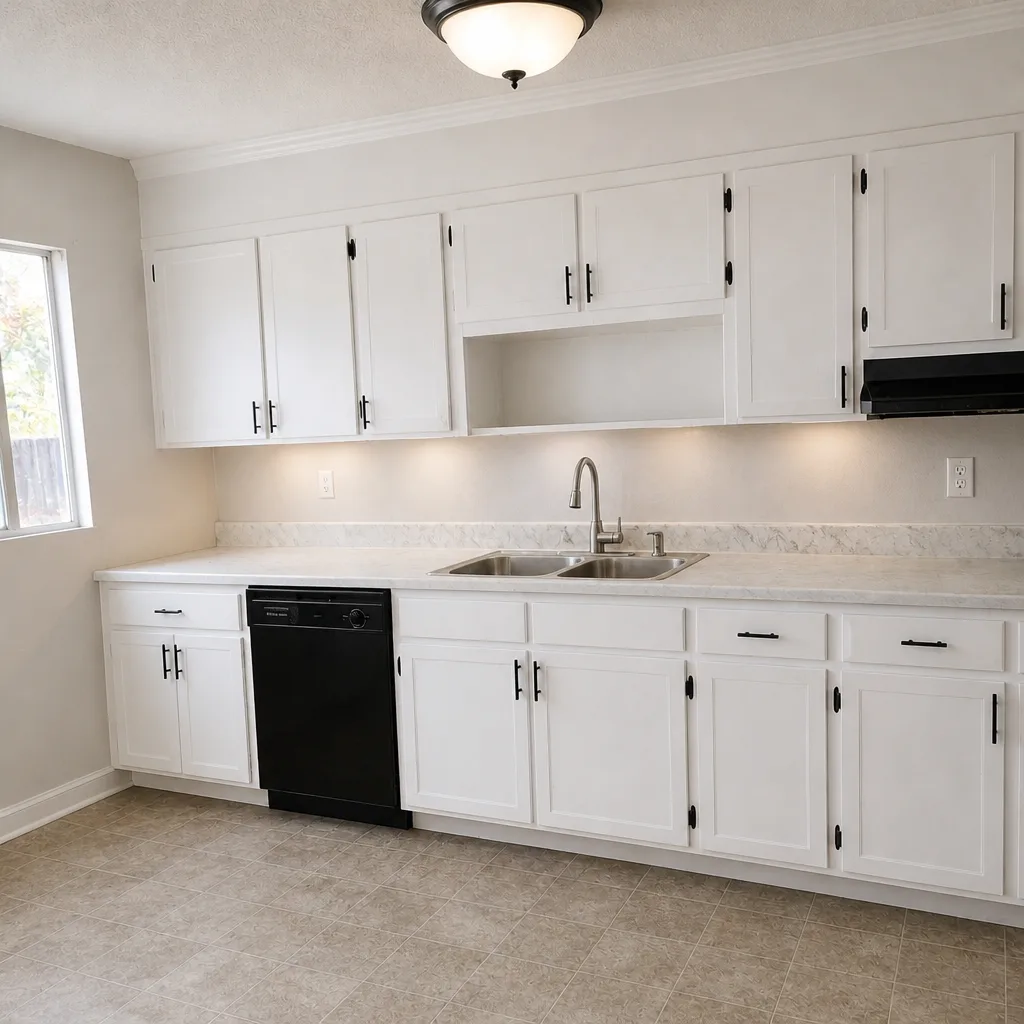 After
What Does a General Contractor Do in Las Vegas, NV? More Than Hiring Subs and Pulling Permits
A general contractor plans, schedules, permits, and documents a construction project, then holds every trade to that written plan. In Las Vegas, that means deciding whether a slab gets poured at 5 a.m. or 10 a.m., getting inspections signed off before framing closes, and turning every field surprise into a signed change order before anyone swings a hammer. The GC is the administrative checkpoint between your property and your wallet. If a project in Las Vegas finishes near its agreed price, a documented GC ran it. If it drifts, no one did. Call (833) 467-9123 for a free estimate and we’ll show you what a written schedule looks like before work begins.
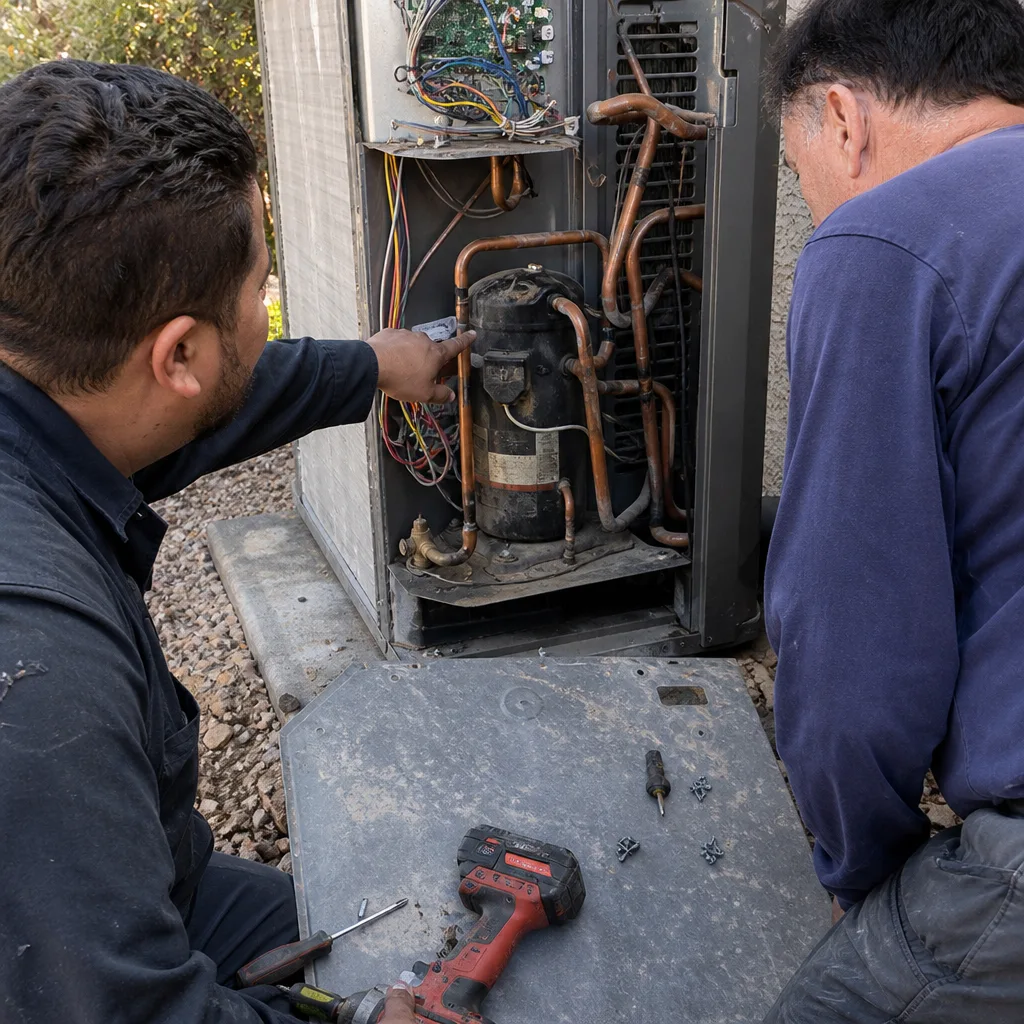
A quick content note: this page isn’t a brochure. It’s an honest answer about what the role actually involves in Clark County, and where it goes wrong.

Why the Desert Makes Scheduling the GC’s Job, Not the Sub’s
Concrete doesn’t care about your contractor’s optimism. At 110°F in July, a slab can craze (fine surface cracking) within hours of the pour if it isn’t placed at dawn, shaded, and wet-cured. That’s not a subcontractor’s judgment call to make at 9:30 a.m. with the truck already on site. It’s a decision written into the project schedule the GC delivers before breaking ground.
Here’s what that schedule has to account for in a Las Vegas build:
- Dawn pours. Concrete placed before the sun climbs is the standard, not a nice-to-have. Morning pours get shade structures and timed wet-curing, which is moisture held on the surface so the slab cures slowly instead of flash-drying.
- Monsoon-season re-inspection. From July through September, soil moisture swings. Las Vegas sits on expansive clay that swells and shrinks with irrigation and rain, which is why foundation cracks and block-wall separation show up as recurring calls after a monsoon. The GC schedules a soil re-check before backfill whenever a storm interrupts excavation.
- Heat-safety rest cycles. Crews on a Summerlin or Green Valley roof in August work in defined intervals. That changes the day count, and the day count belongs in the schedule, not in a text message the night before.
- Winter cure adjustments. Nights near freezing slow curing in the opposite direction. Admixtures and cure blankets get specified, in writing.
None of that is trade coordination in the abstract sense. It’s documented management of a climate that punishes improvisation. When we quote a home addition in Las Vegas, the schedule and the sequence are part of the written scope, which is exactly what our approach to building in the valley is built around.
The Permit and Inspection Chain Is Where GCs Earn Their Keep
Las Vegas has distinct permit pathways for additions, ADUs (accessory dwelling units, the standalone backyard homes also marketed as casitas), and re-roofs. An experienced GC’s value here isn’t “knowing the forms.” It’s knowing which inspections must clear before the next phase is released.
The clearest example: framing cannot close until the rough-in inspection is signed off. Rough-in is the plumbing, electrical, and mechanical work run through the walls before drywall goes up. If your GC schedules drywall before that sign-off, you’re either tearing out board or waiting weeks for a re-inspection slot. That single sequence error can add a month and several thousand dollars to a $45,000-$130,000 home addition or a $90,000-$220,000 ADU build.
A re-roof is simpler but has its own rhythm: the number of shingle layers matters for both cost and disposal, and a tear-off to the deck doesn’t get signed off until the underlayment is inspected. Roof replacement in Las Vegas runs $8,000-$20,000 for asphalt shingle, more for tile, and the schedule should already reflect the inspection window.
What the homeowner should expect to hold, physically or in a shared folder:
- The approved permit set, stamped.
- Signed inspection cards for each phase.
- A written sequence showing what gets built before what.
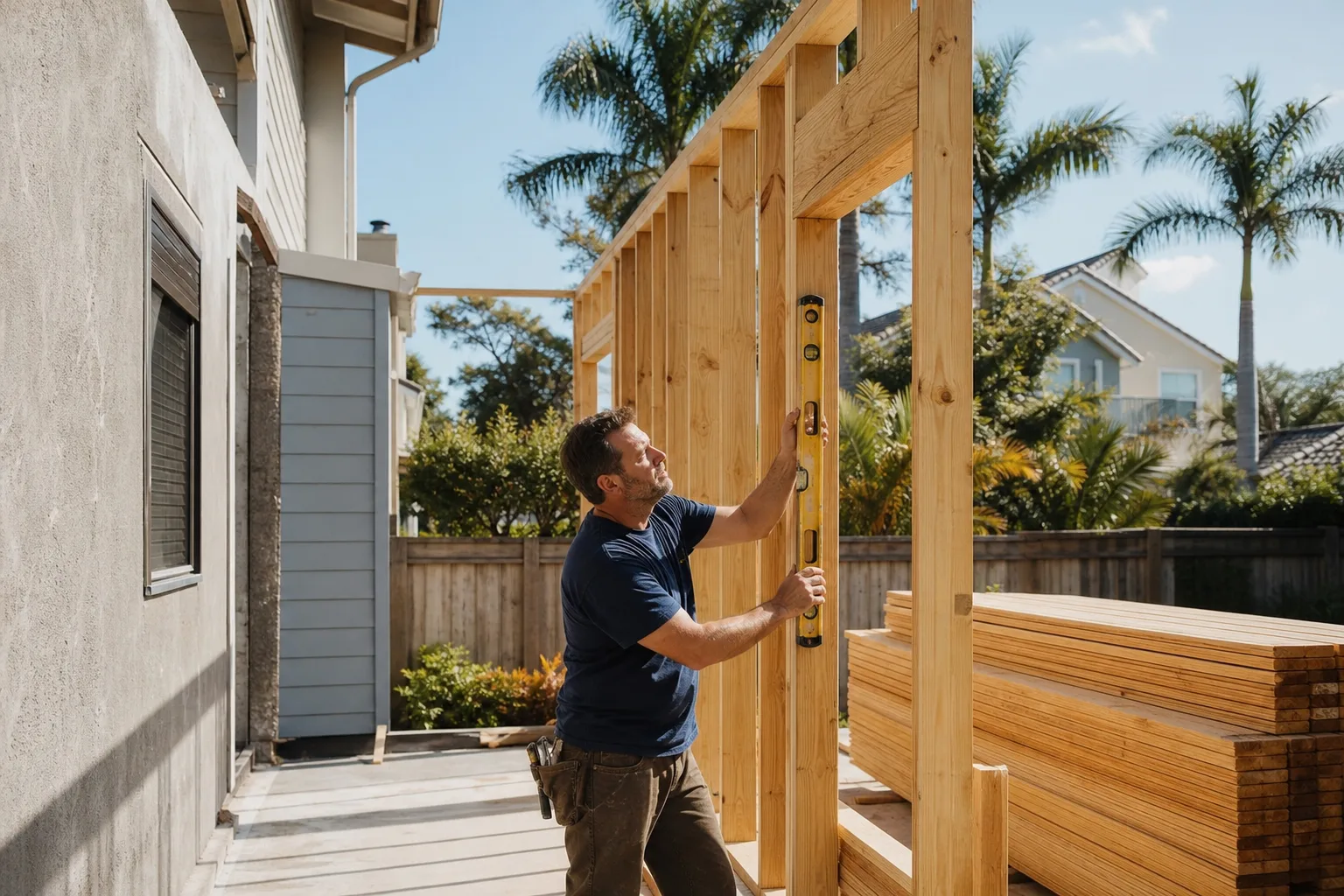
Change Order Management: The Function That Decides Your Final Bill
Open a wall and find rot, hit unexpected soil, discover water damage behind tile: the field condition is real, and it costs money. The GC’s job is to be the checkpoint between that discovery and your bank account.
A contractor with a change-order discipline stops work on the affected scope, documents what was found with photos, writes the added cost and time, and gets your signature before proceeding. A contractor without that discipline just does the work and tells you at the end. Same discovery, wildly different experience.
Under Clause 1 of The Haven Standard, the price is written before anyone starts, and no change proceeds without a signed change order. That’s the administrative spine that has kept Rowan Construction Group Las Vegas projects within a few percent of the agreed number across 4,000-plus jobs. It’s also why the free second opinion on any written estimate is a real offer: bring a competitor’s quote and we’ll read it line by line, at no charge, and tell you where the change-order risk hides.
Common local scenarios where this plays out:
- Monsoon-disrupted excavation. Expansive clay shifts and the foundation gets re-engineering. Written, signed, and priced before work resumes.
- Hidden water damage in a mid-century block home near downtown or the older east-side neighborhoods. The tile comes off and the substrate tells a different story than the bid did.
- Solar-ready additions. The conduit path request comes in mid-framing. That’s a scope change, not a favor.
- Pool-deck or patio-cover tie-ins where the existing slab isn’t level to the new one. Priced in dollars, signed, dated.
Subcontractor Vetting and Material Sourcing Are GC Decisions Too
The brands a GC specifies determine both how materials perform in desert sun and how accurate the quote can be. When a kitchen specification names KraftMaid or Wellborn cabinets, Kohler or Moen fixtures, and Cambria or Caesarstone countertops, the written number reflects real products. When it says “builder grade,” you’re looking at a substitution that shows up after the walls close and the check has cleared.
Sourcing across fifty-plus vetted brands is what lets a quote be honest instead of padded. On a $14,000-$45,000 kitchen remodel, the cabinet line alone ($4,000-$13,000) swings wildly depending on whether you’re specifying a named brand or a placeholder. We put the spec in the document.
Crews get the same treatment. Background-checked, uniformed technicians, verified before they arrive, and a documented photo record on every visit as a standard deliverable. When your neighbor asks who did the work, you hand them evidence, not a recollection.
A quick reference for what GC-led projects cost in Las Vegas right now:
| Project | Typical Las Vegas range |
|---|---|
| Kitchen remodel | $14,000-$45,000 |
| Bathroom remodel | $9,000-$28,000 |
| Roof replacement | $8,000-$20,000 |
| Paver driveway | $7,000-$18,000 |
| Window replacement | $4,500-$15,000 |
| Home addition | $45,000-$130,000 |
| ADU construction | $90,000-$220,000 |
| Garage conversion | $30,000-$80,000 |
See how those numbers get built into a written scope on our kitchen remodeling, roofing, and driveway and paver pages.
What the Documentation Package Actually Does for You
At the end of a well-run project, you should hold a package, not a memory. That package includes the permit set, inspection sign-offs, an in-wall photo record (images of what’s inside the walls before they close), material specifications as installed, and the written warranty.
It matters at three moments most homeowners don’t think about until they hit them:
- Resale. A buyer’s inspector asks about the addition. You produce an approved permit and signed-off inspections. The conversation ends there.
- Refinance or appraisal. Lenders want to see permitted square footage. Unpermitted work gets discounted or flagged.
- Warranty claim. The 365-Day Done Right Promise is printed, backed by a terms page, and attached to documentation that describes exactly what was installed. No guessing.
Claims like this are verifiable. We don’t cite awards we can’t produce on request, and we don’t pad credentials. We show the paperwork.
FAQs
A general contractor owns the plan, the schedule, the permits, the inspections, and the written price; a subcontractor executes one trade within that plan. The GC is the one accountable for sequencing, like pouring a Las Vegas slab at dawn and curing it before the desert heat flash-dries the surface.
Yes. Additions and ADUs in Clark County require a permit set, phased inspections, and a schedule that accounts for expansive clay soils and monsoon moisture. An experienced GC coordinates all three; going without one puts the inspection chain and the final price at risk. Call (833) 467-9123 for a written quote before you commit to any number.
By never letting work proceed on a change until a change order is signed. The GC documents the field condition, writes the added cost and time, and gets your signature. Our technicians have up to 19 years of experience with this discipline, and it’s why costs stay within a few percent of the agreed price.
You should receive the approved permit set, signed inspection cards, an in-wall photo record, material specifications as installed, and the written warranty. That package is what protects you at resale, refinance, and any warranty claim. Call (833) 467-9123 and we’ll send you a sample of what the record looks like.
If you’d rather have it looked at, Rowan Construction Group Las Vegas offers a no-pressure assessment in Las Vegas – call (833) 467-9123 and we’ll put a written price in front of you before you commit to anything.
Written by the team at Rowan Construction Group Las Vegas, serving Las Vegas, NV.