Last updated November 18, 2026
Free written scope consultation - allowances, timeline, and change-order rules on paper before a single trade is scheduled
DIY vs Professional Fence Installation: What’s Safe to Do Yourself
The most common DIY fence failure we get called to in Las Vegas isn’t poor craftsmanship. It’s a post set 24 inches deep in soil that needed 36 inches to meet Clark County’s wind load standard for the fence height the homeowner installed. Everything above ground looked right. The first monsoon-season gust proved otherwise. This guide separates the fence work you can genuinely handle yourself – panel hanging, gate hardware, picket repair, staining – from the work that determines whether the fence is standing in five years. You’ll get the Clark County post depth table most DIY pages never cite, a footing mix that accounts for Las Vegas’s fast-draining sandy loam, real dollar comparisons, and honest time estimates for each task.
Quick Answer
Panel installation on pre-set posts, gate hardware replacement, picket repair, and staining are genuinely DIY-safe tasks that most homeowners can complete in a weekend with standard tools. Post excavation, footing mix, and concrete cure time are not: the required post depth in Las Vegas varies from 24 to 42 inches based on fence height and soil conditions, and an undersized footing is the single most common cause of fence failure here. Anything requiring a permit, or any fence sharing a property line with an HOA common area, needs a licensed contractor by Clark County code or HOA policy.
Styles & brands we work with
- Kitchen remodeling
- Bathroom remodeling
- Home additions & ADU
- Roofing
- Windows & doors
- Driveway & pavers
- Fence
Table of Contents
- What post depth does Clark County actually require?
- How do you calculate the right footing for Las Vegas soil?
- Which fence tasks are genuinely safe to DIY?
- Which tasks require a licensed contractor?
- What does DIY really cost compared to professional installation?
- When do you need a permit, and what does an HOA require?
- Common mistakes to avoid
- When to call a professional
What post depth does Clark County actually require?
Clark County’s building code layers post depth requirements by fence height and the soil classification at your property. Most DIY guides say “one-third of the post above ground” and stop there. That rule exists, but for Las Vegas it’s a minimum, not the standard – the wind exposure here pushes depth requirements up.
The simplified version of what inspectors check:
- Fence up to 4 feet: 24 inches minimum post depth
- Fence 4 to 5 feet: 30 inches minimum post depth
- Fence 5 to 6 feet: 36 inches minimum post depth
- Fence over 6 feet: 42 inches minimum post depth, engineered footing often required
- Any fence on a slope greater than 1:4: 36 inches minimum regardless of height
Two things drive the real number. First, soil type: sandy loam drains fast and holds a footing well, but caliche – the calcium-carbonate hardpan common in the northwest valley – can force both deeper excavation and wider footing diameter to reach stable soil. Second, wind exposure: an open privacy fence at 6 feet in an exposed west-side lot catches more wind load than the same fence in an established neighborhood with mature block walls.
In our experience, the failures we see most often are on 5-foot fences set 24 inches deep in caliche-heavy soil where the original installer cut corners. The post loosens within two seasons. Repairs cost more than the original post would have. If you’re pulling permits, the inspector will check the depth in the footing hole before the concrete goes in. Skipping that inspection is not a shortcut – it’s the one step that catches the mistake before it becomes a problem.
How do you calculate the right footing for Las Vegas soil?
Standard Quikrete instructions assume average-density soil that holds moisture. Las Vegas’s sandy loam and caliche drain much faster, which means concrete mix ratios and footing diameters both need adjustment. Undersized footings pull loose from fast-draining soil in one wind season.
A workable formula for a residential privacy fence:
- Hole diameter: 3 times the post width minimum. A 4×4 post needs a 10-12 inch hole; a 6×6 post needs a 16-18 inch hole.
- Hole depth: the Clark County minimum for your fence height, plus 6 inches for the gravel base.
- Gravel base: 6 inches of 3/4-inch crushed rock at the bottom of every hole, uncompacted. Fast-draining soil needs this drainage layer more than heavier soils do.
- Concrete mix: 3,000 PSI minimum. For sandy loam, mix to a slightly stiffer consistency than the bag calls for – roughly 3-1/2 to 4 quarts of water per 80-pound bag, not the full 6 quarts. Stiff mix resists pulling away from fast-draining soil during cure.
- Cure time: minimum 24 hours before attaching any panels or gates. 72 hours for a full load-bearing cure. Cooler spring nighttime temperatures in Las Vegas can stretch that to 4 days – don’t rush it.
Do the math on bag count before you buy. A 36-inch-deep, 12-inch-diameter hole needs about six 80-pound bags; at $5.50 to $7 per bag, that’s $35 to $42 in concrete per post. The material cost isn’t the hard part. The excavation, mixing, and cure time is. A homeowner with an auger and a mixing tub can do 4-6 posts a day at most. A crew does 20+ because they’ve already got the process down.
Which fence tasks are genuinely safe to DIY?
Anything aboveground on a fence that’s already standing, or that’s going onto posts you paid a professional to set, is reasonable DIY territory. The structural stakes are low, the tools are common, and a mistake is fixable without a permit.
Panel installation on pre-set posts
If the posts are set, plumb, and cured, you can hang panels and rails yourself. Budget 30-45 minutes per 8-foot section. Tools: cordless driver, level, pencil, tape measure, and correct galvanized fasteners. Skip galvanized fasteners and the joints will rust within 2-3 seasons in Las Vegas’s dry-then-wet cycle. Use hot-dip galvanized or stainless; a $40 box of screws is cheaper than replacing rails in year three.
Gate hardware replacement
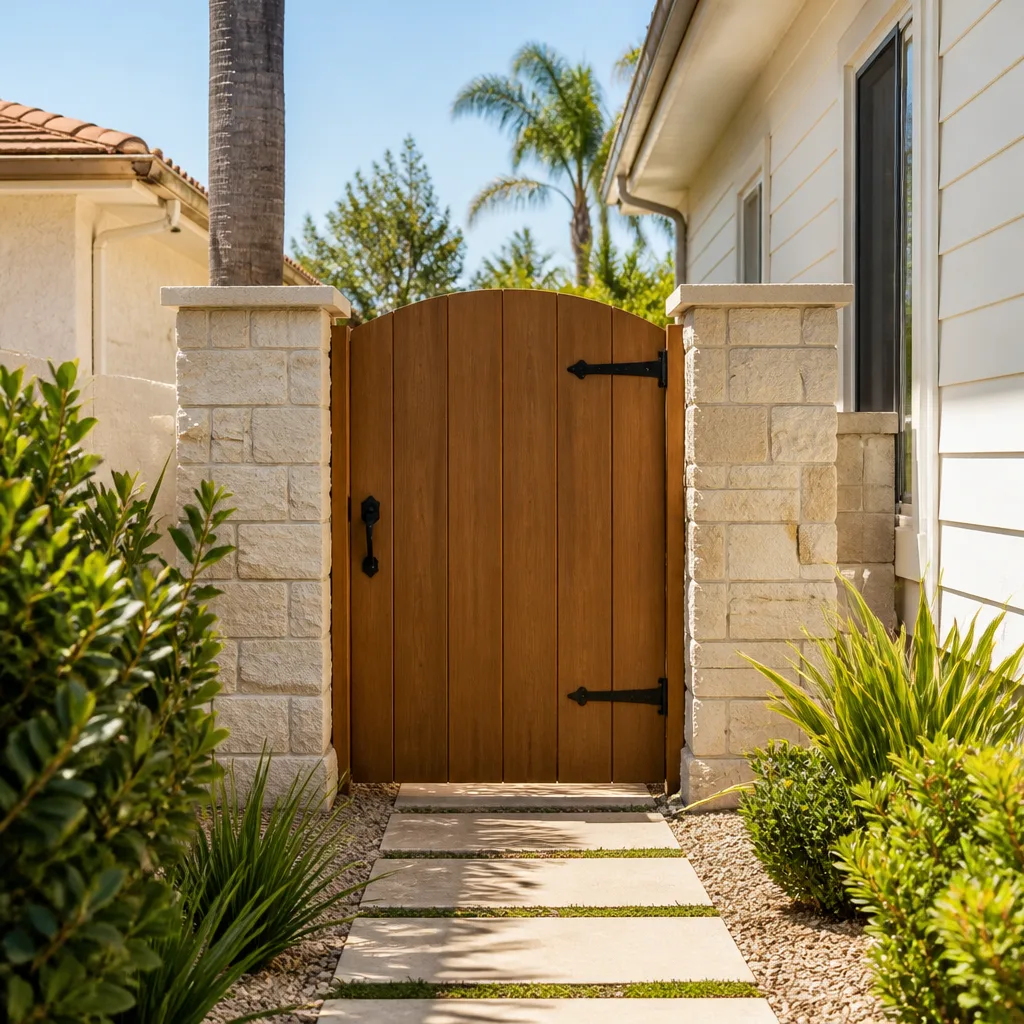
Hinges, latches, and self-closing mechanisms are a 1-2 hour job. This is the single most common DIY task we get asked about, and one of the most rewarding – a sagging gate that drags on the ground usually just needs new hinges and a turnbuckle kit. Common failure point in Las Vegas: the sun destroys standard hinges in 2-3 years. Use stainless marine-grade hinges on a west-facing gate and you’ll get double the service life.
Picket repair
Swap individual damaged pickets or dog-ear caps in under an hour if the underlying rails are solid. Match the profile – 5/8-inch dog-ear and 1×6-inch flat-top profiles are the standard Las Vegas stock, carried at every big-box lumber counter. Time estimate: 15-20 minutes per picket once you’ve got the tool set up.
Staining and sealing
A wood fence in Las Vegas needs resealing every 2-3 years because the UV exposure here is brutal. A 150-foot fence takes one person a full day at prep plus two half-days for two coats. Quality oil-based stain runs $45-$65 per gallon and covers 200-250 square feet. Total material cost for a 150-foot fence: $150-$250. This is a genuine DIY win – the labor savings are significant and the risk of a mistake is low.
For a wider view of how a full fence project compares to paving and hardscape work your property might also need, our guide to Driveway & Pavers in Las Vegas covers the same DIY-versus-professional decision from the hardscape side.
Which tasks require a licensed contractor?
Clark County code and most Las Vegas-area HOA governing documents name specific fence work that must be done by a licensed contractor. Doing it yourself is not just risky – it can void your permit, your HOA approval, and in some cases your homeowner’s insurance coverage on the fence structure.
- Any fence over 6 feet tall. Requires a building permit and often an engineered footing design. Clark County does not issue owner-builder permits on structural fences in most cases.
- Any new fence on a property line shared with an HOA common area. Even if a neighbor did the same work DIY five years ago, the current HOA board almost always requires a licensed contractor with proof of insurance on file.
- Any fence on a slope greater than 1:4. Engineering considerations beyond an owner-builder’s scope, and inspection requirements apply.
- Retaining-wall-integrated fences. Retaining walls over 4 feet in height require engineering and permitting regardless of what sits on top.
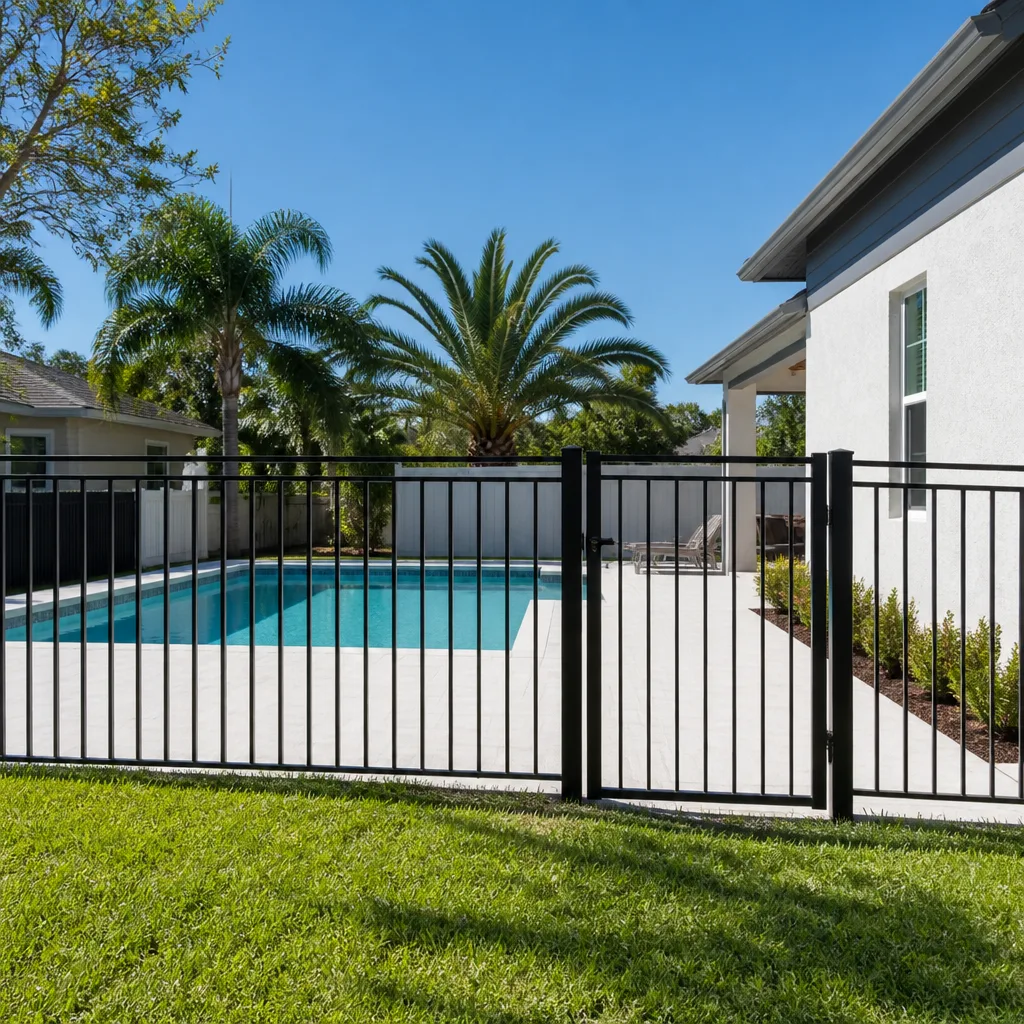
- Pool barrier fences. Clark County pool code is strict, requires inspection, and the barrier must meet specific height and self-closing gate requirements. A DIY pool fence that fails inspection gets flagged at property sale.
- Fences on commercial or rental property. Liability and insurance coverage typically require a licensed contractor of record.
If any of these apply, the correct move is to get a written quote from a licensed contractor before you lift a shovel. A permit-required fence project in Las Vegas runs $1,200-$2,800 in permit fees and inspection costs alone for a typical residential run – higher for engineered designs – which is why the written quote matters so much. Our Fence Installation in Las Vegas team pulls permits and schedules inspections so you don’t discover the requirement after the concrete’s set.
What does DIY really cost compared to professional installation?
Here’s the honest comparison most DIY guides leave out: the cost of correcting a failed post often exceeds the cost savings on the whole project. We’ve pulled enough failed DIY footings to know the number.
DIY material and permit costs for a 150-foot, 6-foot privacy fence
- Posts (4×4, pressure-treated, ~40 posts): $520-$680
- Panels, rails, pickets: $1,700-$2,400
- Concrete (80-lb bags, ~240 bags): $1,320-$1,680
- Gravel base: $180-$240
- Galvanized/stainless hardware: $220-$320
- Permit and inspection fees: $250-$450
- Equipment rental (auger, mixer, post level, transit): $180-$320 for the weekend
- Stain and sealer (first application): $180-$260
- DIY total: $4,550-$6,350 plus 4-6 weekends of your time
Professional itemized quote for the same fence
- Materials (with contractor pricing): $3,100-$4,200
- Labor and equipment: $1,800-$2,600
- Permits, inspections, and HOA documentation: $350-$550
- Disposal of old fence (if applicable): $280-$480
- Professional total: $5,530-$7,830, typically completed in 2-4 days
The correction cost that changes the math
If your DIY posts fail – 40% of them at 24 inches instead of 36 inches in caliche-heavy soil – you’re not just redoing those posts. You’re tearing out the panels on those posts, re-excavating, re-pouring, and waiting another 24-72 hours per section. Realistic correction cost: $1,400-$2,400 in materials plus 2-3 more weekends, plus the cost of a fence that may have bent or weathered during the failure window. Add that to the DIY total and the DIY path is often $1,500-$3,000 more than the contractor quote.
The other thing the sheet doesn’t show: a professional quote is typically written. If you can get a competitor’s written estimate, use it. Rowan Construction Group offers a free second opinion on any written estimate, reviewed line by line, so you can see what a competing quote is actually charging for. That takes about 20 minutes and clarifies whether the professional number is reasonable – which it usually is, once the footing and disposal lines are in.
When do you need a permit, and what does an HOA require?
Las Vegas-area permit thresholds are mostly clear – with one wrinkle most homeowners don’t expect. Under 6 feet tall in the unincorporated county: no permit. Inside city limits (Las Vegas, Henderson, North Las Vegas): 6 feet is generally the permit threshold, with some neighborhood overlays requiring a permit for anything over 5 feet. Above 6 feet: permit and often engineered footing.
Call the applicable jurisdiction’s building department before you dig, not after. Clark County’s permitting office and the city of Henderson’s are both responsive to a phone inquiry in 5-10 minutes on most business days.
HOA requirements typically go further than the county:
- Written board approval before a single post is set, even for like-for-like replacement
- Specific material restrictions – many master-planned HOAs prohibit chain link, allow only specific wood profiles, or restrict color to a documented palette
- Height limits under county code, frequently 5 feet or 5-1/2 feet in front yards
- Licensed contractor proof of insurance required on file with the management company before work begins
- Inspection and sign-off by the HOA after completion
If your home sits in a master-planned community, read your CC&Rs directly. The HOA governing documents are usually posted to the management portal and are more specific than the county. A letter from your management company stating the requirement means a professional job, not DIY. For larger property changes where fencing is one piece of a longer project, our overview of Home Additions & ADU in Las Vegas covers how fence lines are affected by new construction and setbacks.
Common Mistakes to Avoid
- Setting posts at 24 inches “because the neighbor did.” The neighbor’s fence may already be failing, or their property may have different soil classification. Depth is site-specific to soil and fence height.
- Mixing concrete thin. Fast-draining sandy loam needs a stiffer mix than the bag calls for. A wet mix pulls away from the soil as it cures and leaves a loose footing.
- Attaching panels the same day as the footing. The mix has not reached load-bearing strength. 24 hours minimum before any load; 72 hours before a gate swings on the post.
- Using standard zinc-plated screws outdoors in Las Vegas. The UV and dry-wet cycling here destroys plated fasteners in 2-3 seasons. Hot-dip galvanized or stainless only.
- Skipping the gravel base. Fast-draining soil needs a 6-inch rock bed at the bottom of each hole even more than heavier soils do, because water still pools at the base during monsoon-season rain and rots the post bottom.
- Not confirming HOA requirements first. We’ve seen a homeowner complete an entire DIY fence and be asked to take it down because the material wasn’t on the approved list. Confirm in writing before you excavate.
- Burying the post bottom in direct contact with caliche. The hardpan holds moisture at the boundary and rots the post bottom 3-4 times faster than sandy loam alone. The gravel base is the fix.
When to Call a Professional
Call a professional when the fence involves a permit, an HOA common area, a slope over 1:4, a pool barrier, a height over 6 feet, or any structural element you’re not confident you can build to code. Also call when you’ve done the math and realized your weekends are worth more than the margin – if 4-6 weekends of excavation and cure time is not realistic, professional installation is faster and usually close enough in total cost once you count correction risk.
If you only need the posts set and plan to hang panels yourself, that’s a workable middle path that contractors are happy to quote. And if you’ve got a written estimate from another contractor, ask for the second opinion before you commit. Rowan Construction Group Las Vegas offers free estimates in Las Vegas and a free second-opinion review of any written estimate – call (833) 467-9123 to schedule.
See the difference
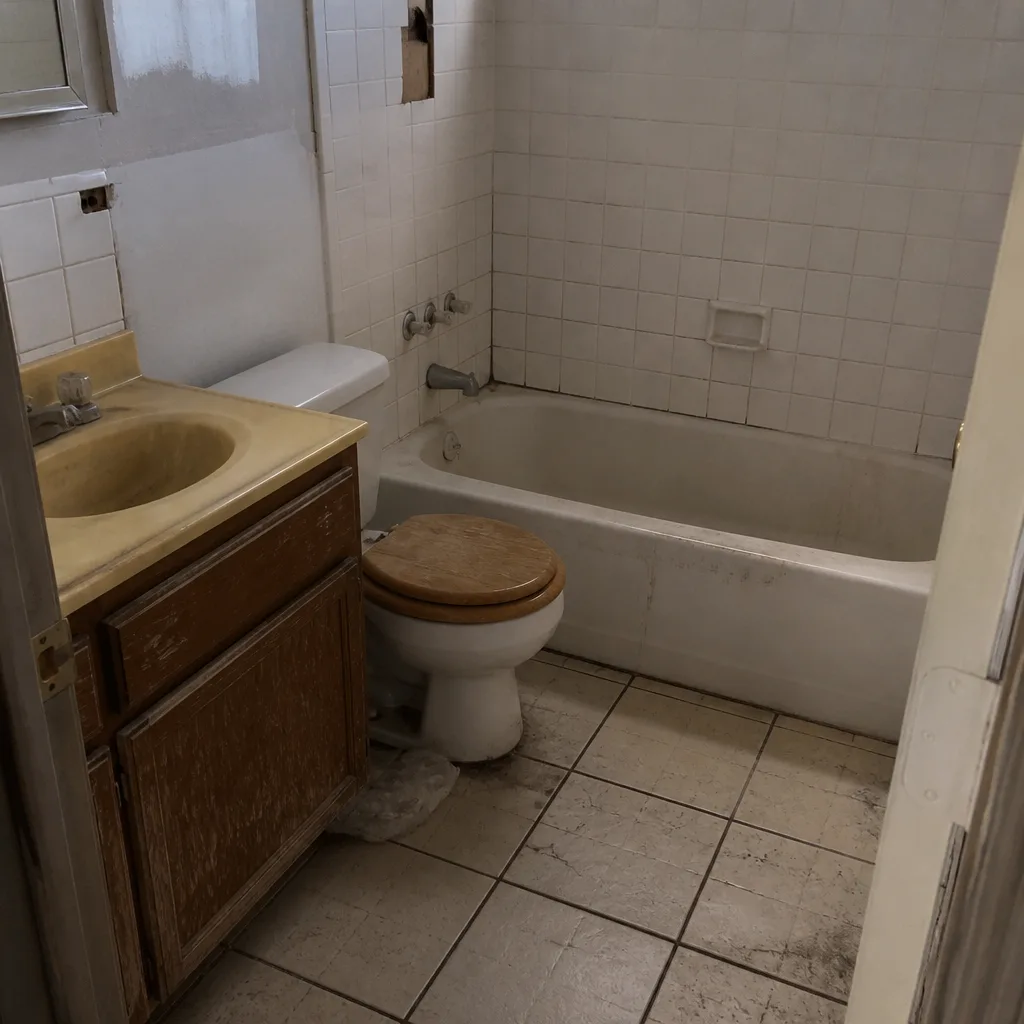 Before
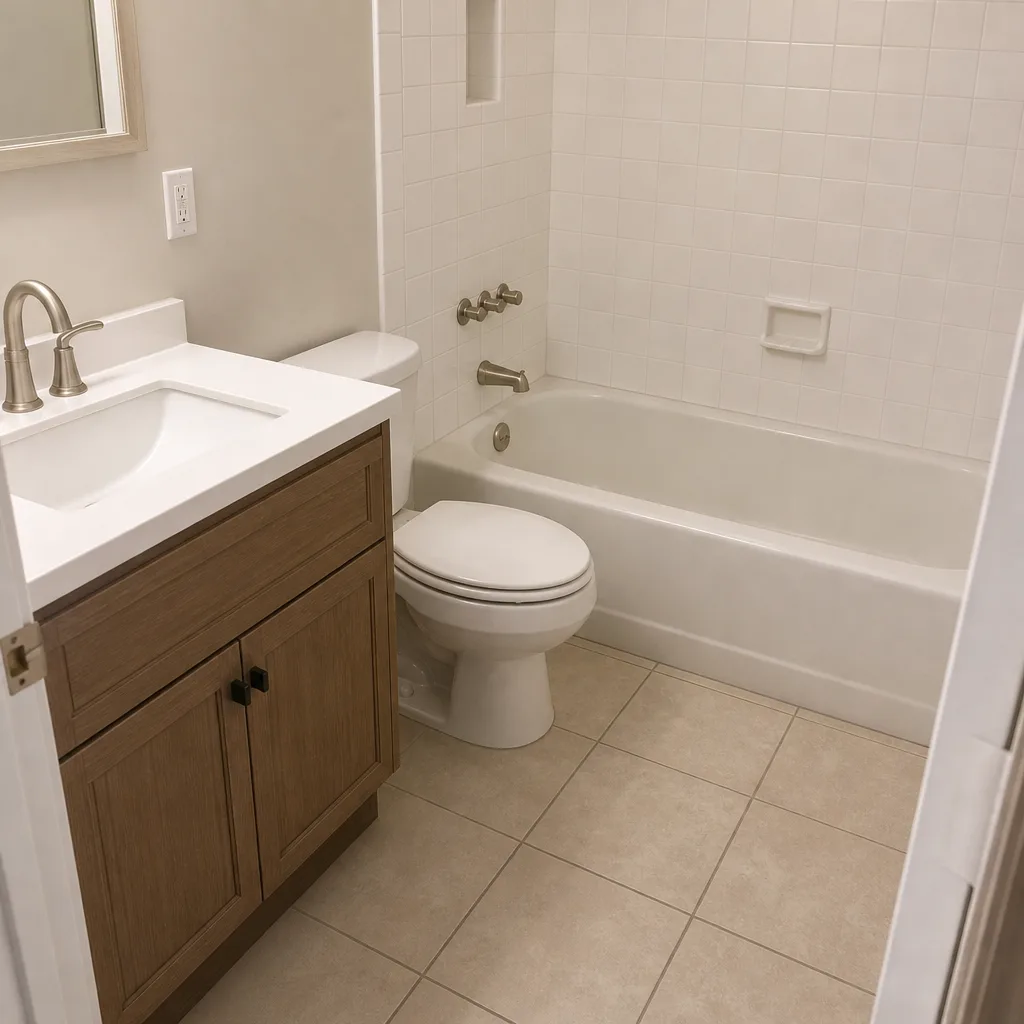 After
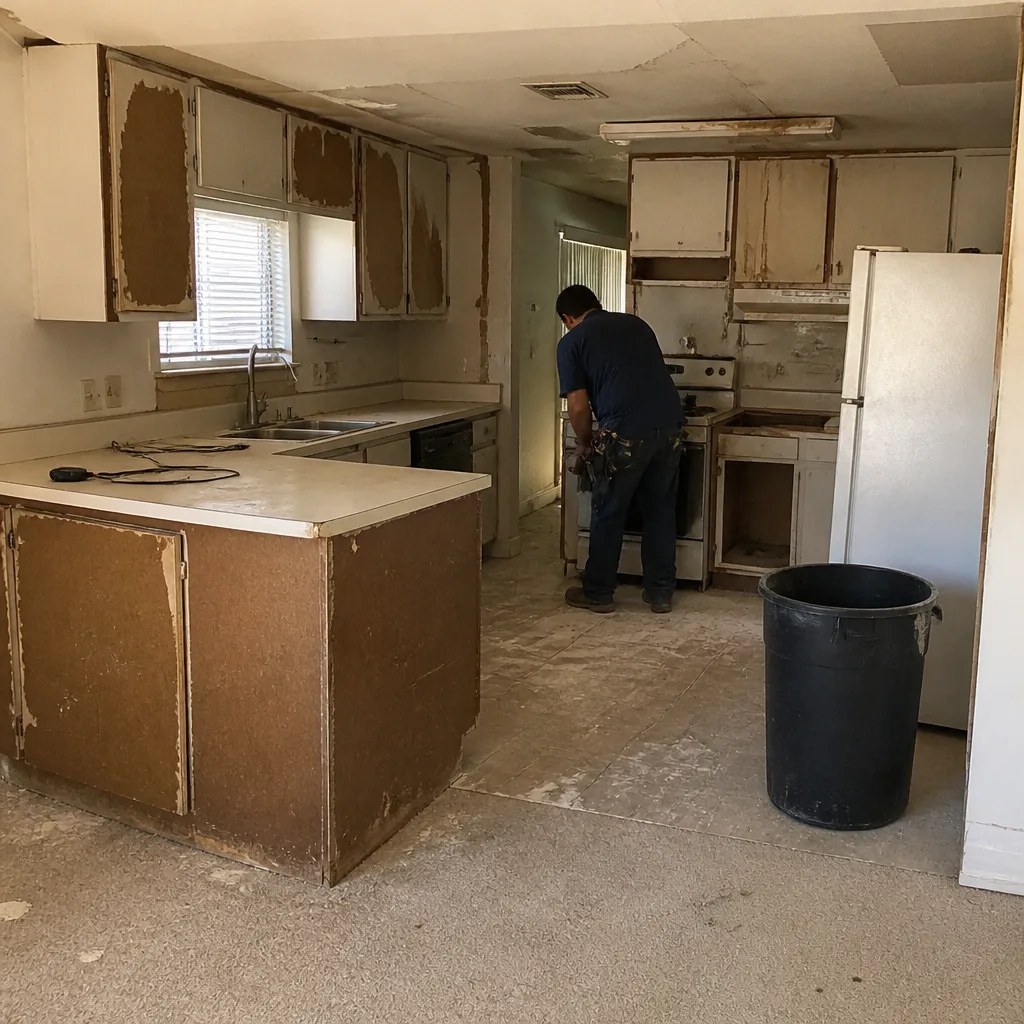 Before
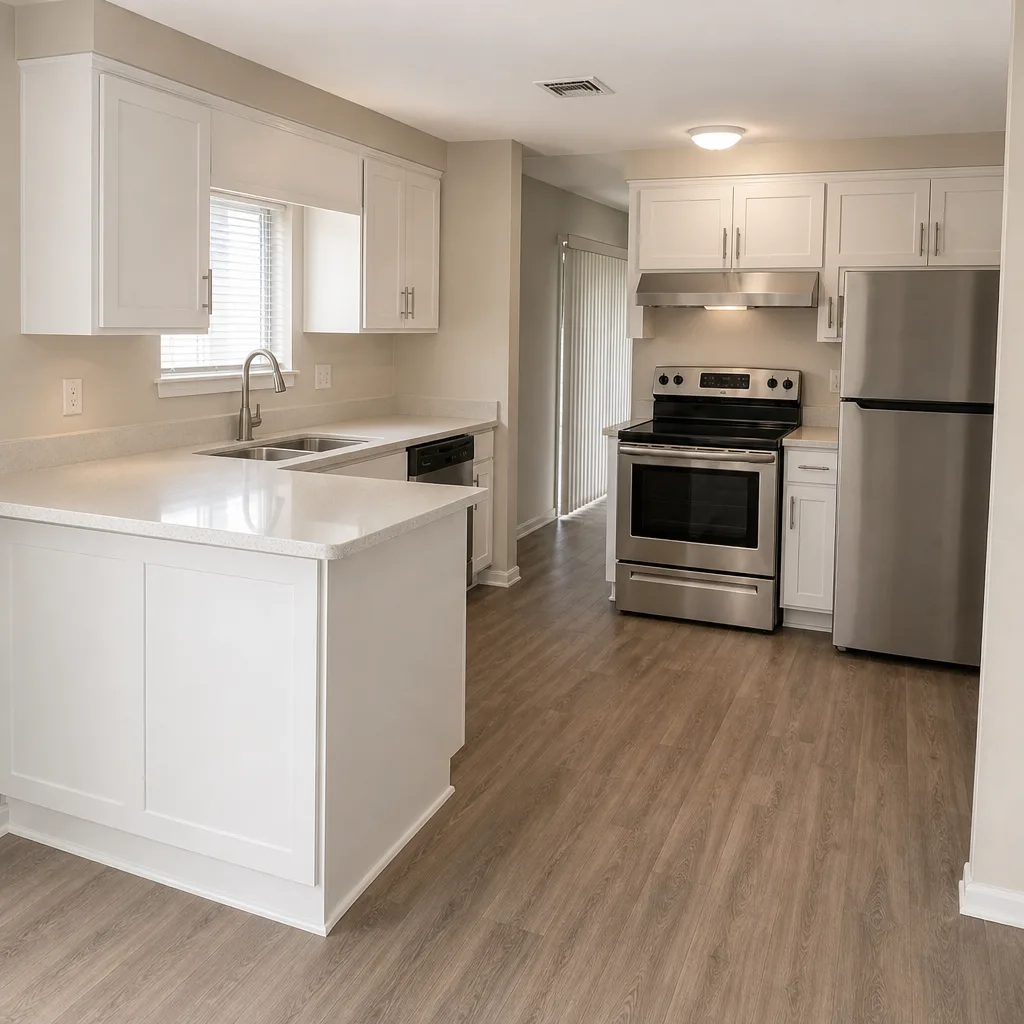 After
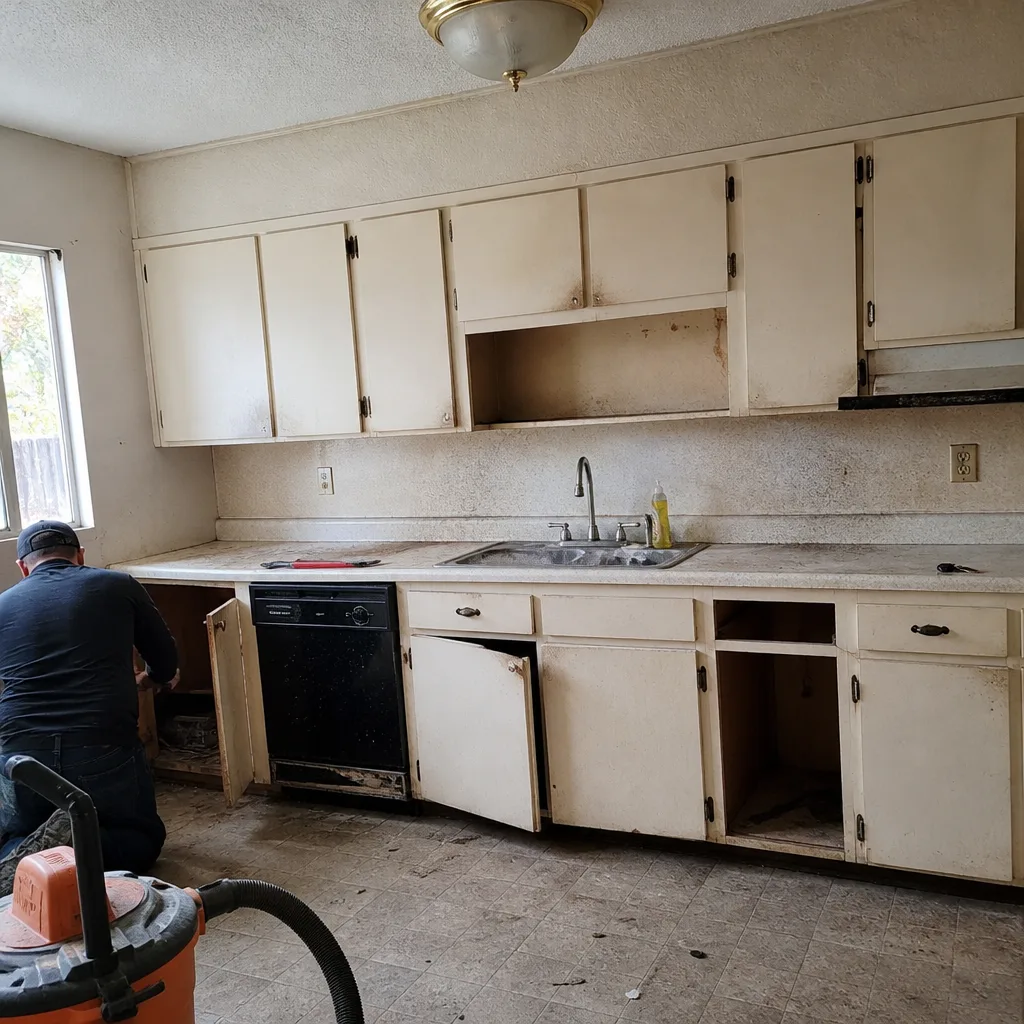 Before
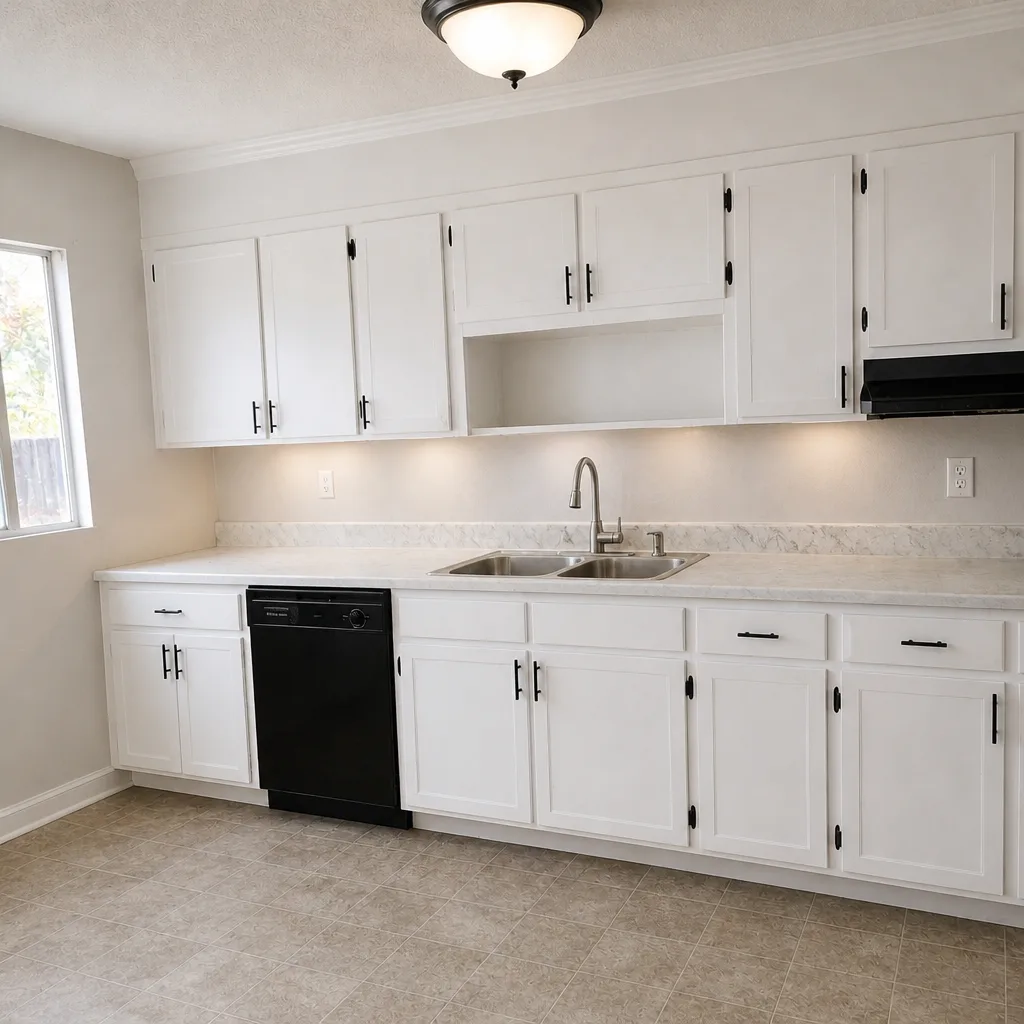 After
Frequently Asked Questions
Clark County requires 24 inches for fences up to 4 feet, 30 inches for 4-5 feet, 36 inches for 5-6 feet, and 42 inches above 6 feet, with engineered footings often required at the tallest tier. Soil type matters: caliche-heavy lots in the northwest valley frequently push the effective requirement deeper. Call (833) 467-9123 for an exact quote on post setting in your soil condition – estimates are free.
Yes, for aboveground work on pre-set posts – panel hanging, gate hardware, picket repair, and staining are all reasonable DIY projects. Post excavation, footing mix, concrete cure time, permit-required fences over 6 feet, pool barriers, and any fence on a property line shared with an HOA common area are not DIY-appropriate in most cases. When a permit or HOA approval is in play, use a licensed contractor.
A 3,000 PSI minimum mix, poured slightly stiffer than the bag instructions recommend – roughly 3-1/2 to 4 quarts of water per 80-pound bag rather than the full 6 – with a 6-inch gravel base at the bottom of each hole. Fast-draining sandy loam requires the stiffer mix and the drainage layer more than average soil does.
Under Rowan’s Haven Standard Clause 1, the written price is fixed before any work starts and no change proceeds without a signed change order. That administrative discipline is what has kept projects within a few percent of the agreed cost across 4,000-plus jobs. Call (833) 467-9123 for a written, itemized quote.
A typical 150-foot residential privacy fence takes 2-4 days on site, plus 2-3 additional days before panel installation to let the footings cure to load-bearing strength. The timeline is driven by post count, soil conditions, and permit inspection scheduling – not by crew speed. Call (833) 467-9123 to schedule your free estimate and get a written schedule.
Fences under 6 feet in most unincorporated Clark County locations do not require a permit; fences 6 feet and taller do, and some city overlays require permits at 5 feet. Pool barrier fences require a permit and inspection regardless of height. Confirm with the applicable jurisdiction before you dig, and confirm HOA approval separately – county and HOA requirements are independent.
The Bottom Line
Above ground, DIY works: hang panels on pre-set posts, swap gate hardware, repair pickets, reseal on the 2-3 year cycle Las Vegas UV demands. Below ground, it usually doesn’t – a post at the wrong depth in caliche-heavy Las Vegas soil is the failure contractors see most often, and the correction costs more than the original quote would have. The workable middle path is having a licensed contractor set the posts to Clark County code with the right footing for your soil, then hanging panels yourself. When a permit, an HOA common area, a pool barrier, or a slope is involved, use a licensed contractor and get the price in writing. If you’ve got a written estimate in hand, ask for a free second opinion before you commit – and call (833) 467-9123 to schedule your free estimate. Under Clause 1 of the Haven Standard, the price is written before anyone starts.
For the full picture of how fence projects fit alongside other exterior work on your property, start at Rowan Construction Group Las Vegas home or call for a free estimate today.
Written by the team at Rowan Construction Group Las Vegas.