
How to Choose the Right Construction Company in Las Vegas
The right construction company in Las Vegas is identified by three documents, not by a portfolio page: their Nevada State Contractors Board license record, their change order policy in writing, and their materials specification sheet. Everything else is sales presentation. You can pull the license record yourself in about 90 seconds, and most Las Vegas homeowners never do. Here’s what to look for in each document, and what the fields and clauses actually mean.
If you’d rather not run the comparison alone, call us at (833) 467-9123 and we’ll walk through it with you – free estimates, and a free second opinion on any written quote you already have.
Key Takeaways
- Check the contractor’s license on the Nevada State Contractors Board site before anything else. 90 seconds, three fields to read.
- A written change order policy predicts your final cost better than any star rating.
- Ask who carries insurance on the subcontractors. The answer changes what happens if someone gets hurt on your property.
- A materials spec sheet with brand names, product lines, base depth and compaction is the difference between a quote and a guess.
- Compare three Las Vegas bids line by line, not by the bottom number.
How do I check a contractor’s license with the Nevada State Contractors Board?
Go to the NSCB license search, enter the company name or license number, and read three fields: license class, bond amount, and status. That’s the whole check. It takes less than two minutes and it filters out more bad contractors than any review site will.
The license class tells you what the contractor is legally allowed to build. Nevada uses lettered and numbered classifications – a Class B (general building) covers most residential structures, while specialty classes are limited to specific trades. If a contractor is quoting a full home addition on a specialty license, stop there.
The bond amount is the money set aside if the contractor fails to perform. It’s not a guarantee of quality, but it tells you the contractor cleared the state’s minimum financial threshold to hold that license.
Status is where homeowners get caught. “Active” means the license is in good standing today. “Inactive” means the contractor is not currently authorized to contract work in Nevada – they may be between renewals, or they may have let it lapse while still bidding jobs. Anyone quoting you work while inactive is a hard no. The record also shows complaint history; read it, and read what the contractor did about the complaints, not just how many exist.
We’ve watched Las Vegas homeowners sign five-figure contracts with companies they only met through an Instagram reel – a quick NSCB search would have shown an expired license class. The lookup is free. Use it before the first site visit, not after.
Why does the change order policy predict your final cost better than reviews?
Because reviews tell you how a project went for someone else, and a change order policy tells you how the math will work on yours. In our experience, the gap between a contractor’s quoted price and their final invoice comes almost entirely from work done without a signed change order first – verbal extras, “while we’re in there” additions, scope creep billed at day rates nobody agreed to.
Ask this question in plain words: “If you find something mid-job that needs extra work, what happens before anyone picks up a tool?” The answer you want is that nothing proceeds until a written change order is signed – a document with the scope of the added work and a fixed dollar amount. The answer you don’t want is “we’ll figure it out” or “we’ll just bill the extra time.”
Under Clause 1 of The Haven Standard, the price for Rowan Construction Group is written before anyone starts, and no change proceeds until the change order is signed. That single administrative discipline is why our 4,000-plus projects finish within a few percent of the number the customer agreed to – not because we’re better at swinging a hammer, but because the paperwork prevents the drift.
Reviews have their place. Read the three-star ones, not the five-star ones. But when you’re comparing three Las Vegas contractors, ask each one the change order question and write down their answer. It will tell you more than the star average ever will.
What should I ask about subcontractors and insurance?
Ask two questions, in this order: “Will any of this work be done by subcontractors?” and “Do those subs carry their own general liability and workers’ comp, or are they covered under your policy?” The answers change who pays if a sub gets hurt on your property or damages a neighbor’s fence.
Some Las Vegas contractors run their own crews. Others use subs for specialty trades – roofing, electrical, plumbing. There’s no wrong answer to the first question; both models are legitimate. The wrong answer is not knowing. A general contractor who can’t tell you which trades are subbed and whether those subs are independently insured is a general contractor who has never had to answer that question from an insurer.
Ask for the certificate of insurance, and check the expiration date. A certificate from last year is a piece of paper, not coverage. If the sub is covered under the GC’s policy, ask for the additional insured endorsement. If the sub carries their own, ask for their certificate too, not just the GC’s. Any contractor who gets defensive about this question is telling you something.
What belongs on a materials specification sheet?
A materials spec sheet names the exact product, not the category. “Premium cabinets” is a category. “KraftMaid in the Sonoma door style, maple, stain finish” is a specification. The difference is whether you can price-check the quote against the same product at a supplier, and whether two contractors are bidding the same job or two different jobs wearing the same description.
For a Las Vegas project, a real spec sheet should contain:
- Siding and exterior: brand and product line (James Hardie’s HardiePlank and HardiePanel are common here for good reason – the heat and UV load punish anything that fades or warps).
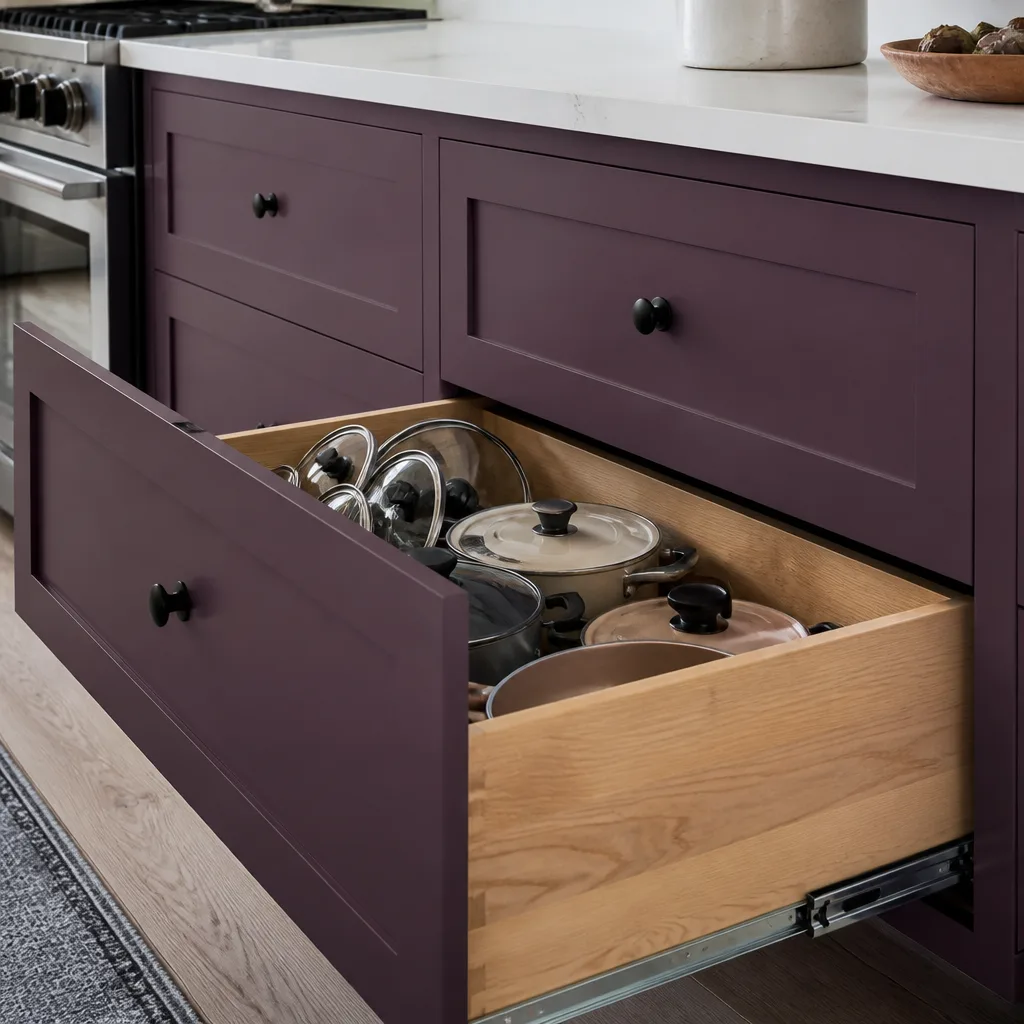
- Cabinets and countertops: KraftMaid or Wellborn cabinet lines, Cambria or Caesarstone slab names and thicknesses.
- Pavers and driveways: the brand, the base depth in inches, and the compaction standard the installer will hold to. Base depth is where most paver driveways fail in Las Vegas – the surface looks fine for a year and then the whole thing shifts. A spec sheet that names the base depth is a contractor who knows what fails.
- Roofing: shingle brand, product line, underlayment type, and the layer count on any tear-off.
A contractor who won’t hand over a materials spec before you sign is a risk, full stop. The spec is the reason a written quote can be honest about the price instead of inflated to cover “whatever we end up using.” Our sourcing runs across fifty-plus vetted brands specifically so the number on the quote reflects real product, not a round-up.
How do I compare three Las Vegas contractor bids side by side?
Rebuild each bid into the same line-item framework before you compare anything. The bottom-line number tells you almost nothing, because three contractors will rarely be quoting the same scope. One missed the tear-off. One is pricing a thinner paver base. One included permits in the total and two didn’t. When that happens, the cheapest bid is often the cheapest job, not the best value.
Here’s the framework we recommend, and it’s the one we build quotes on:
- Scope of work, written in sentences – what gets removed, what gets installed, what stays.
- Materials spec – brand, product line, SKU or model number, and any thickness, depth or compaction figure.
- Labor and site protection – what the crew covers, what the homeowner clears, and who hauls away debris.
- Permits and inspections – pulled by the contractor, inspected and signed off. A contractor who asks you to pull the permit is a contractor who isn’t carrying the liability.
- Change order terms – written and signed before work proceeds, with a stated dollar amount per change.
- Warranty – in writing, with the terms page, not an asterisk.
Do this once with three bids in a spreadsheet and the comparison is over in an hour. The contractor who can’t fill in columns 2, 4 and 5, or whose answers are vague, is the one you shouldn’t hire – no matter what the total says.
When to call a pro
Pull the trigger on a contractor when the work touches structure, permits, electrical, gas or roofing. Those categories involve inspections, insurance exposure and – in the roofing and electrical case – real danger if a well-meaning homeowner tries it alone. High ladder work and gas lines are not projects to learn on. A properly licensed Las Vegas contractor carries the liability and knows the inspection sequence, which is worth more than the labor savings.
If you’re comparing quotes as part of a larger project, our Rowan Construction Group Las Vegas home page covers who we are; the trade pages go deeper on the specific work:
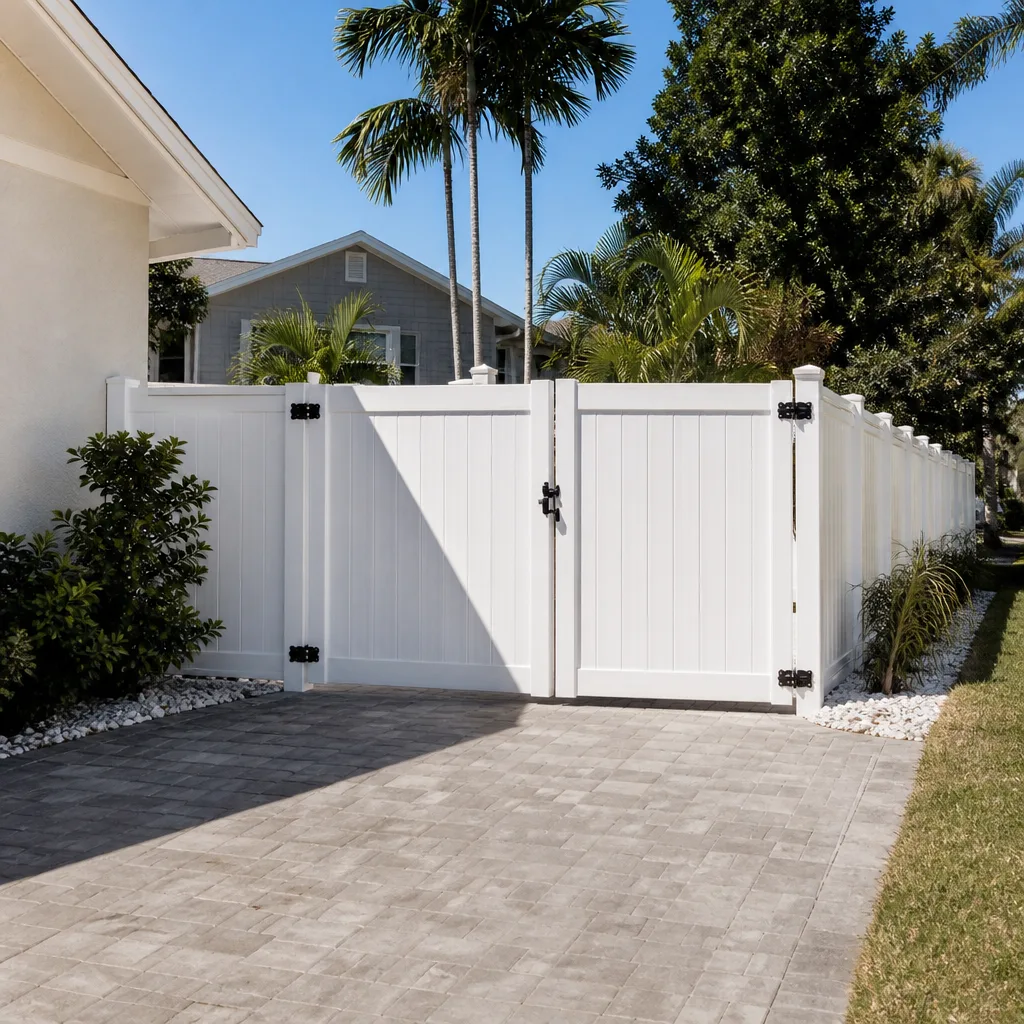
Related services in Las Vegas: Driveway & Pavers in Las Vegas, Fence Installation in Las Vegas, and Home Additions & ADU in Las Vegas. Every one of them starts with a written price and a written scope before anyone picks up a tool.
The Bottom Line
The right construction contractor in Las Vegas is identified by three documents. The NSCB license record tells you they’re legally allowed to do the work and in good standing today. The change order policy tells you what happens when the scope shifts. The materials spec sheet tells you what you’re actually buying. Run all three checks before you sign anything, then compare your three bids line by line with the framework above. It’s an afternoon of work that prevents a year of the other kind.
If you’re in Las Vegas and want a second set of eyes on a written estimate, Rowan Construction Group offers a free second opinion on any quote, line by line, no charge. Call (833) 467-9123 for a free estimate – written price, written scope, and a documented photo record on every visit.
Frequently Asked Questions
It depends on the trade and the scope. Kitchen remodels in Las Vegas typically run $25,000 – $75,000 depending on cabinet line and whether walls move; paver driveways run $8 – $20 per square foot based on base depth and paver choice; and home additions run $200 – $350 per square foot before finishes. The right way to compare is on a written line-item quote, not a ballpark. Call (833) 467-9123 for a free estimate – the number comes in writing before any work starts.
Yes. The NSCB license lookup is free and takes about 90 seconds. You’ll see the license class, bond amount, current status, and complaint history. Any contractor quoting work while showing “inactive” status is not authorized to contract in Nevada, and that alone is reason to walk away.
It shouldn’t, if the change order policy is written down. A contractor who requires a signed written change order before any additional work proceeds will finish within a few percent of the quoted number. A contractor who bills extras verbally or at day rates will not. Ask the question before you sign, and get the answer in writing.
Yes – the contractor should pull the permit, and it should appear as a line item on the quote with the inspection schedule attached. If a contractor asks you to pull the permit as the homeowner, they’re transferring the liability on the project to you. That’s a sign to keep shopping. Call (833) 467-9123 for an exact quote, permits included, and a free walkthrough.
Written by the team at Rowan Construction Group Las Vegas.
Need Construction Help?
Call Rowan Construction Group Las Vegas - licensed & insured, here with fast after-hours help in Las Vegas.
(833) 467-9123