Last updated November 18, 2026

Free written scope consultation - allowances, timeline, and change-order rules on paper before a single trade is scheduled
Seasonal Construction Care for Las Vegas: Year-Round Homeowner’s Guide
Caulking exterior joints in August in Las Vegas is close to wasted work. Sealant applied above 90°F skins over before it can bond, and it typically fails within one season. That same 20-minute task, done in October when the temperature sits in the 60s to low 80s, holds for three to five years. This is the thing most maintenance calendars get wrong here: they hand you a national checklist built for a place with four even seasons.
Las Vegas doesn’t work that way. We get roughly two months of real freeze risk, about six months of punishing heat stress, and only four months of comfortable working weather. The tasks that protect a home and the tasks that waste your money don’t line up with a generic spring-and-fall schedule at all. What follows is a month-by-month guide built around the actual temperature curve, with dollar ranges for what each skipped item costs to fix later, so you can prioritize by financial exposure instead of by what a magazine said.
Quick Answer
In Las Vegas, schedule exterior sealants, coatings, and adhesives for the 60°F – 90°F window (roughly October through April), inspect the roof and drainage before monsoon season in June and July, and prep exterior water lines ahead of the 20 to 25 freezing nights the valley averages each winter. Generic spring/fall maintenance calendars schedule work for weather this city doesn’t have.
Styles & brands we work with
- Kitchen remodeling
- Bathroom remodeling
- Home additions & ADU
- Roofing
- Windows & doors
- Driveway & pavers
- Fence
Table of Contents
- The Las Vegas Maintenance Calendar: A Month-by-Month Map
- Why Application Temperature Determines Whether the Job Lasts
- Summer Heat, Monsoon Season, and Roof-Deck Checks
- Winter Freeze Prep for Atypical Cold Snaps
- Monsoon Drainage: Checking That Grade Still Works
- Hardscape, Fences, and the Sun’s Slow Wear
- Cost of Neglect: Repair Ranges by Deferred Item
- Common Mistakes to Avoid
The Las Vegas Maintenance Calendar: A Month-by-Month Map
Here’s the working version of the year, grouped by what the weather actually lets you do. This is the heart of the guide, and it’s what a national checklist won’t give you.
- January – February (freeze risk): Insulate and heat-trace exposed exterior supply lines. Check hose bibs, the irrigation backflow preventer, and any line running through an unheated garage. Inspect caulk on the north and west faces, where the freeze-thaw cycles do the most damage.
- March – April (prime exterior window, 60°F – 90°F): This is your best month for sealant, paint, coatings, and stucco patching. Apply elastomeric sealant to exterior joints. Touch up cracked stucco before summer heat drives it wider. Service the roof while it’s cool enough to walk.
- May (finish before the heat): Last comfortable window for coating work and paver sealing. Clear monsoon debris from drains and scuppers. Check that roof flashing around vents and skylights is sealed and adhered.
- June – July (monsoon arrives): Inspect flat roofs, parapets, and low-slope sections after any storm. Re-check drainage. Watch for pooling on flat areas and any separation at the membrane’s seams.
- August – September (peak heat, avoid exterior coatings): Interior work only for the most part. No sealant, no paint, no paver sealing. Do interior plumbing checks, cabinet and fixture assessment, and condition surveys.
- October – November (prime exterior window returns): Your best month of the year for roofing repairs, window and door re-sealing, fencing repair, and driveway resurfacing. Cooler temps, no monsoon rain, no freeze risk.
- December (freeze prep): Insulate lines, disconnect hoses, drain irrigation, button up any gap where cold air reaches a pipe.
The shape of the year, in other words, is two prime exterior windows (spring and fall), a summer defined by heat and rain, and a short winter defined by the risk of a hard-freeze night. Every task below fits somewhere on that map.
Why Application Temperature Determines Whether the Job Lasts
This is the single most expensive thing homeowners get wrong in Las Vegas, and it’s invisible for a year. A sealant, coating, membrane adhesive, or concrete patch is a chemistry problem before it’s a construction problem. Each product has an application temperature range, usually printed right on the tube or bucket. Below the low end, it won’t cure. Above the high end, it skins over before it bonds and fails early.
Most exterior sealants, elastomeric coatings, and construction adhesives want a substrate surface between about 60°F and 90°F. In Las Vegas, a dark stucco wall or roof deck can run 40 degrees hotter than the air temperature in the afternoon sun, which is why the calendar matters more than the clock. We’ve seen sealant that looked fine in August already peeling the following March.
- October – April: the safe window for most exterior sealants, paints, and coatings.
- May and September: your shoulder months. Early morning is workable; mid-afternoon often isn’t. Read the label.
- June – August: skip exterior coatings almost entirely. Work interior, or do inspection and assessment rather than application.
Respect that window and the work lasts three to five years. Ignore it and you’re redoing the same joint next season, which is money spent twice for a job done once. For walls, windows, and door frames that need more than a sealant refresh, the same discipline applies to Rowan Construction Group Las Vegas home improvement work: the number gets written before anyone picks up a tool.
Summer Heat, Monsoon Season, and Roof-Deck Checks
Sustained 115°F days do something specific to a roof. The deck itself can reach 160°F or higher under a dark shingle. The felt underlayment, the thin layer between the decking and the shingles, degrades faster at those temperatures than anywhere else in the country. It dries, cracks, and loses its ability to shed water, which means the shingle above is now your only defense. That’s fine until the first monsoon delivers rain sideways.
Before monsoon season, walk the perimeter and check what you can safely see from the ground or a ladder you can keep on solid footing:
- Curling, lifting, or missing shingles on south- and west-facing slopes, which take the most direct sun.
- Granule loss in the gutters or at the base of downspouts, a sign the shingle has aged past its protective layer.
- Flashing gaps around vents, skylights, and chimneys, where the first hard rain finds the opening.
- Any soft or spongy spot on a flat roof or parapet, which can mean saturated underlayment or decking.
Flat and low-slope roofs, common on Las Vegas additions and covered patios, fail differently. The membrane and its seams are what matter, and the summer heat stresses those seams. On a GAF or Owens Corning shingle system, the shingle is the weather surface; on a low-slope membrane, the seam is. A post-monsoon inspection catches a lifted seam before a small leak becomes ceiling damage.
Roof work at height is genuinely dangerous, and a fall off a single-story roof can be catastrophic. If a check requires getting up on the surface, or if anything looks soft or lifted, that’s a job for a trained roofer. We’ll assess it and give you a written scope, not a verbal guess.
Winter Freeze Prep for Atypical Cold Snaps
Las Vegas averages about 20 to 25 nights below freezing each winter. That’s not Minnesota, but it’s enough to burst an uninsulated exterior water line, and it’s the failure local contractors routinely under-prepare for because the valley “doesn’t get that cold.” It only takes one hard night.
Pipes that run through an exterior wall, along an unheated garage, or to an outdoor hose bib are the usual casualties. So is the irrigation backflow assembly. The prep is straightforward and worth doing every December:
- Disconnect and drain garden hoses, and shut off the exterior hose bib supply valve if you have one.
- Insulate exposed supply pipe in garages, crawlspaces, and along exterior walls, especially where pipe runs close to the outside surface.
- Drain the irrigation backflow preventer per its manufacturer’s instructions; a burst backflow is one of the more common freeze repairs we see.
- Seal gaps around pipe penetrations where cold air reaches the line.
- Open interior cabinet doors on exterior-wall sinks during a hard freeze so warm air reaches the pipes.
The DIY line here stops at insulating and shutting off. Any work that means sweating pipe, rerouting a supply line, or adding a heat source near plumbing should go to a licensed professional, because a plumbing failure inside a wall causes water damage that dwarfs the original repair. For homeowners adding heated space, a home addition or ADU brings its own line layout, and that’s where Home Additions & ADU in Las Vegas work should be planned with cold-snap protection from the start.
Monsoon Drainage: Checking That Grade Still Works
Monsoon season runs roughly July through September, and the rain comes hard and fast. The question isn’t whether drainage worked when the pavers or driveway went in. It’s whether the ground has settled since then and pulled the slope out of tolerance. The minimum working grade for hardscape drainage is about 1% – one inch of fall per eight feet of run – and soil settlement over a couple of seasons can quietly erase it.
Here’s how to check without tearing anything up:
- Watch it during a real rain. If water stands for more than a few minutes anywhere on a paved surface, the slope has an issue.
- Look for ponding and residue. Silt rings, water staining, or a line of debris on pavers or concrete marks where water sat and dried.
- Check the transitions. The path from patio or driveway to landscape, and the low point near the house, are where grade problems hide.
- Confirm that swales and drains still carry water away from the foundation rather than toward it.
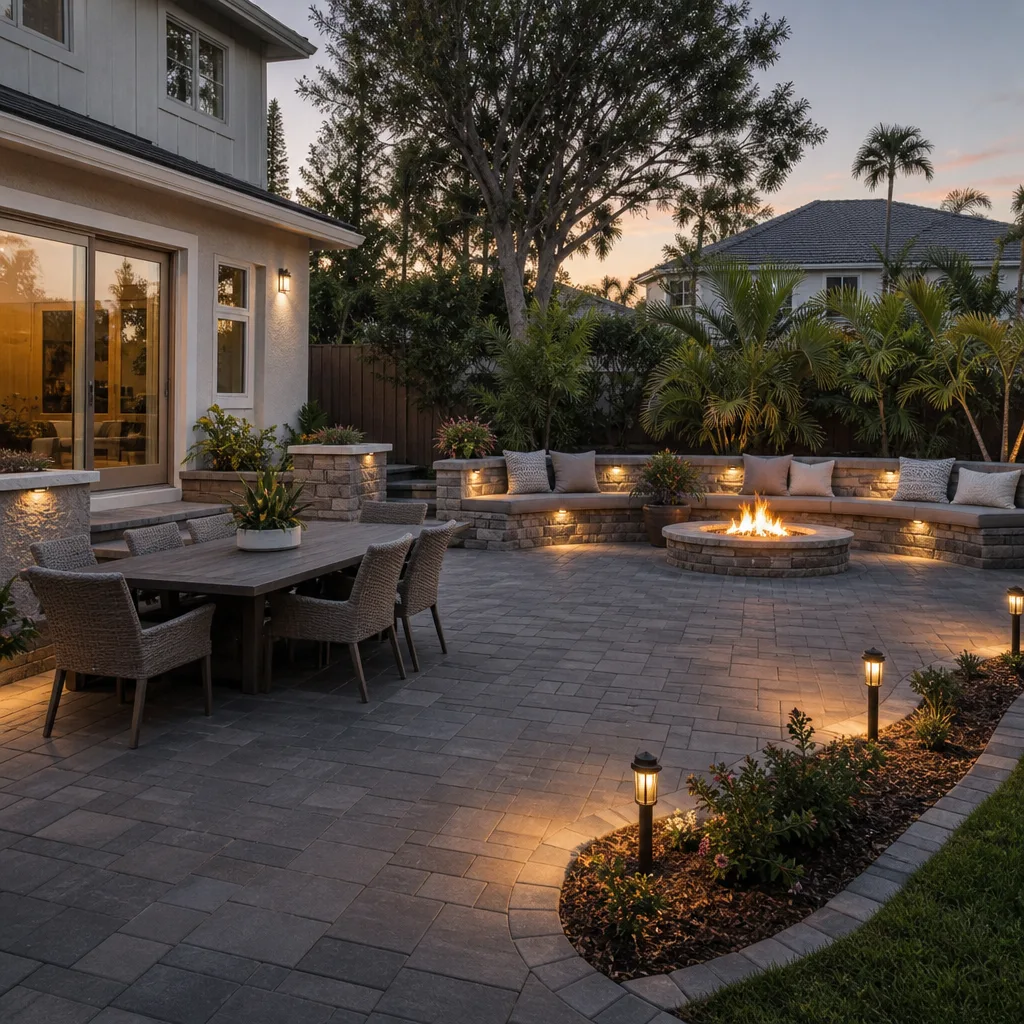
When in doubt, a long spirit level on a straight edge laid across the surface can show whether you still have fall. If water’s running toward the house, or pooling where the deck meets the wall, the fix belongs in the design of the surface – pavers pitched and re-graded to move water where it should go. That’s the kind of correction Driveway & Pavers in Las Vegas projects should build in from the start, because re-sloping later costs far more than pitching it right the first time.
Hardscape, Fences, and the Sun’s Slow Wear
Sun and heat work on Las Vegas hardscape and fencing the way freeze-thaw works elsewhere: slowly, then all at once. Concrete driveways hairline-crack as the ground moves and the sun bakes the surface. Paver joints lose their sand or polymeric filler, and the pavers themselves can shift if the base wasn’t compacted to spec. Masonry, which is common on property walls, runs a similar course – heat expansion and the occasional freeze crack it, and the first heavy storm finds the opening.
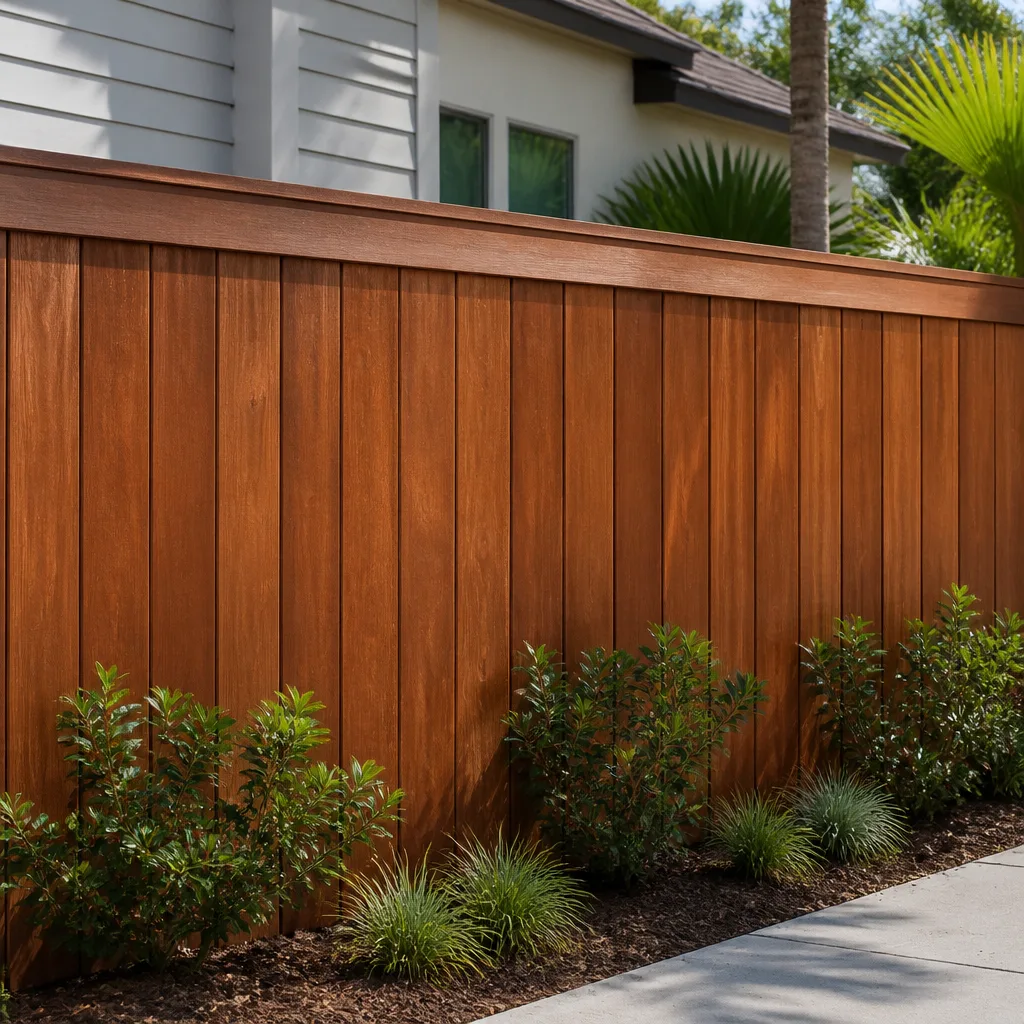
Fencing takes the most direct summer hit. Wood posts dry, split, and pull loose at the fasteners; boards cup and warp. Metal and composite hold better but still lose fasteners to expansion. What to watch for:
- Leaning posts where the soil around the base has dried and pulled away.
- Cracked or splitting board tops, which are where water gets into the wood.
- Widening gaps between pavers or sand washing out along a joint line.
- Hairline cracks in concrete or masonry that are new, growing, or running toward the house.
The best time to repair and seal these surfaces is the fall window, when the temperature sits in the working range and the monsoon has passed. If a fence is past repair, replacing it before its posts go is cheaper than the wind damage a failed fence causes. Fence Installation in Las Vegas should account for how the materials here handle the sun, not just how they look on the first day.
Cost of Neglect: Repair Ranges by Deferred Item
Deferring maintenance isn’t free – it just moves the bill to later and usually adds a zero. The ranges below are what these repairs typically cost in the Las Vegas market once the small problem has spread. They’re there so you can prioritize by what a skipped item actually exposes you to.
- Caulk and sealant refit (exterior joints): roughly $200 – $600. Left until water intrusion, you’re looking at stucco or framing repair in the thousands.
- Roof flashing and seam repairs: roughly $300 – $900. Ignored, an active leak into the ceiling or wall cavity runs into structural and interior repair budgets in the thousands.
- Shingle repair or partial replacement: roughly $500 – $2,500, depending on extent. A full roof replacement after a failed roof is a five-figure item.
- Buried pipe or supply-line freeze repair: roughly $800 – $3,500. A freeze that bursts a line inside a wall can double that once interior damage is included.
- Drainage re-grading on pavers or patio: roughly $1,000 – $4,000. Deferred until water reaches the foundation, you’re into structural repair.
- Fence post repair and re-set: roughly $150 – $500 per section. A failed fence after wind is the higher total, not just the post repair.
- Paver re-sanding and joint repair: roughly $0.50 – $1.50 per square foot. A wash-out that turns into paver displacement and base repair is far more.
These are ranges, not quotes, and the exact number for your home depends on what’s actually there when a professional looks at it. What a written estimate gives you is the honest version of these numbers before anyone starts, which is the whole point of getting one in writing.
Common Mistakes to Avoid
- Applying sealant in summer. Above 90°F, the product skins over before it bonds and fails within a season. Wait for October.
- Trusting a national spring/fall checklist. Las Vegas heat stress runs May through October and freeze risk is only a couple of months. The tasks and the timing don’t map.
- Ignoring the roof until it leaks. By the time you see a ceiling stain, water’s been moving for a while. Inspect before monsoon, not after.
- Leaving exterior water lines uninsulated. The valley gets 20 to 25 freezing nights a year. One burst line costs more than the insulation ever would.
- Assuming drainage still works because it once did. Soil settles. Re-check the grade on hardscape every couple of seasons.
- Skipping the post-monsoon look. A lifted membrane seam or pulled flashing is a small fix after the rain and a big one after a season of it.
- Accepting a verbal estimate. A spoken number has no scope and no warranty attached. Get the price in writing before work starts.
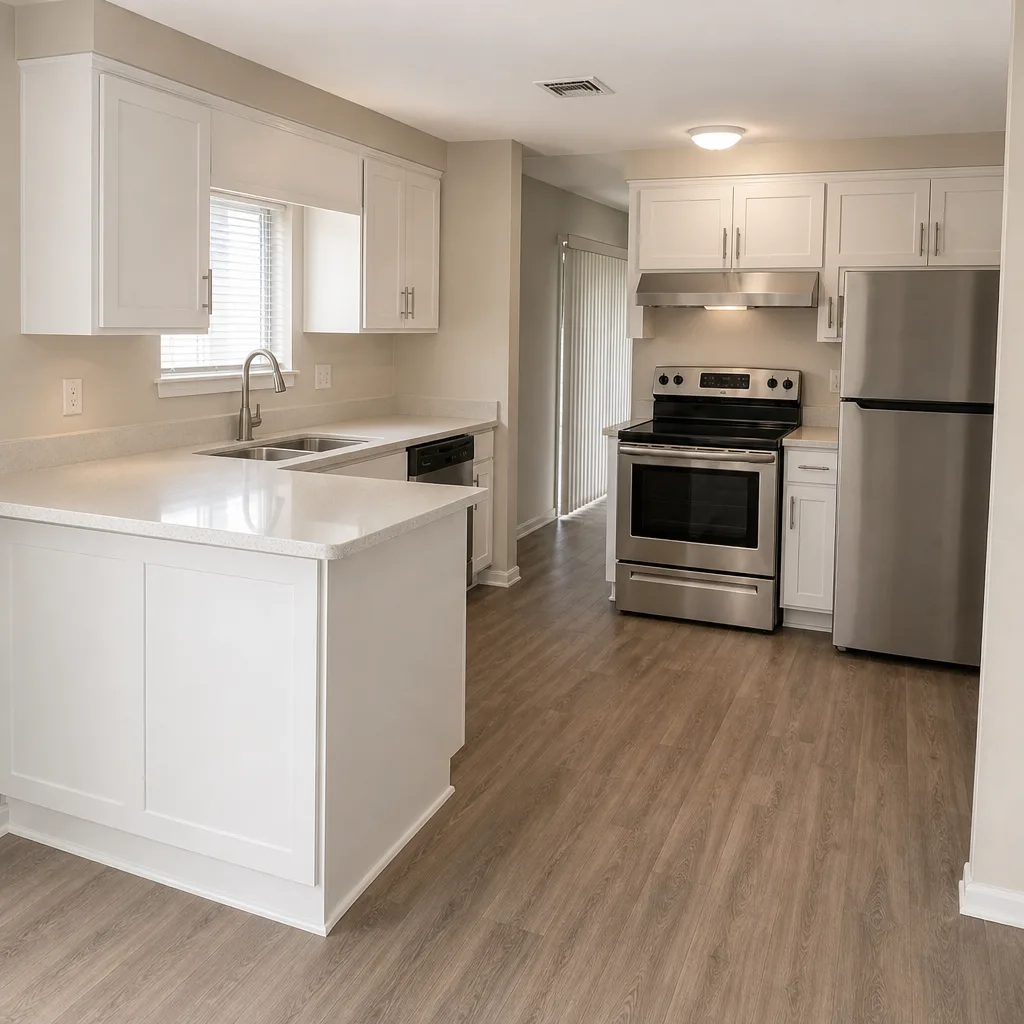
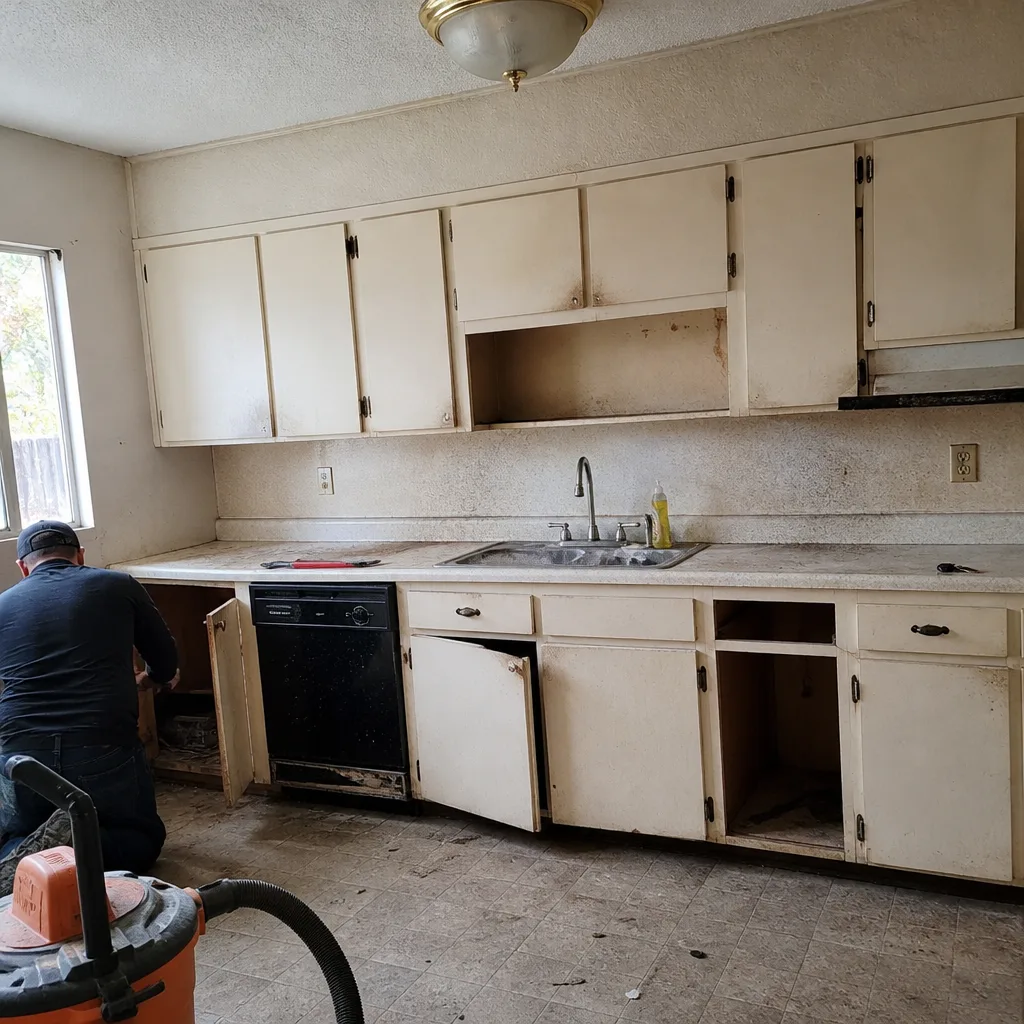
See the difference
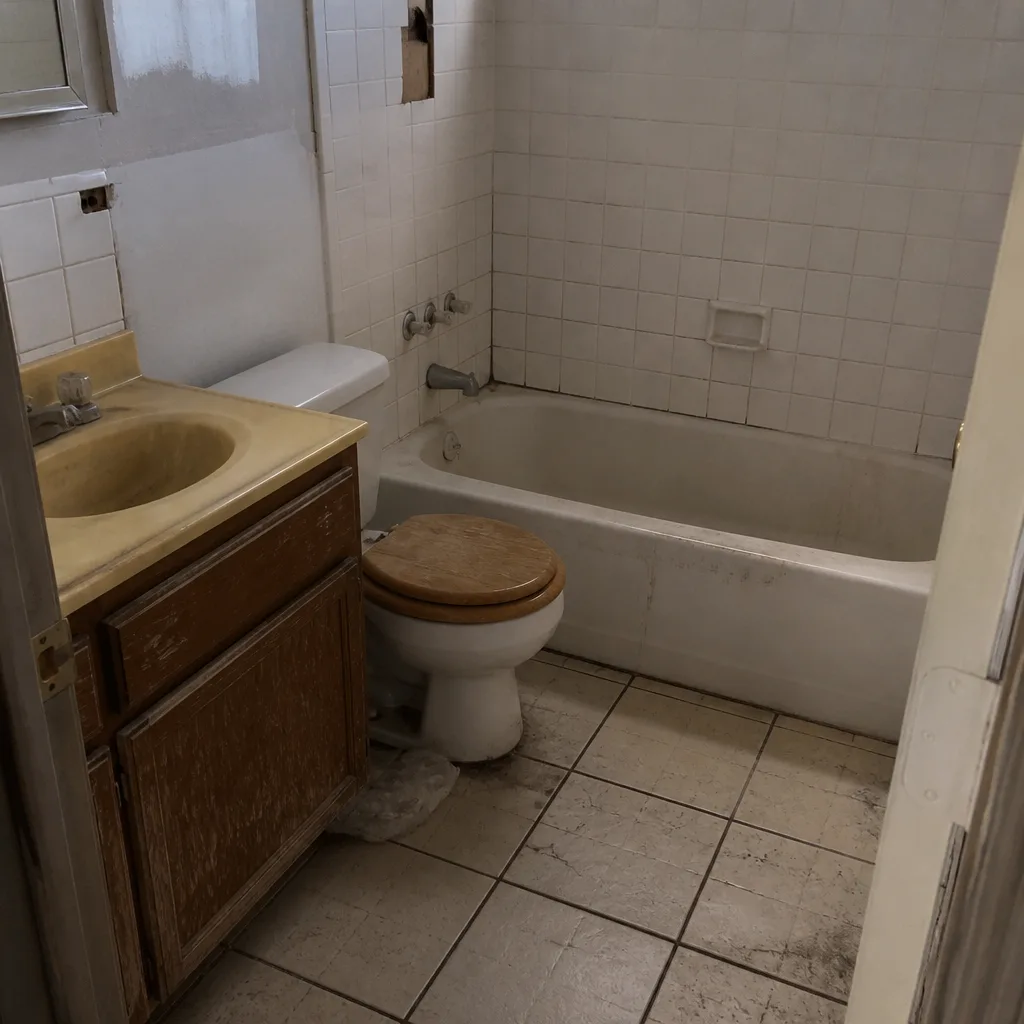 Before
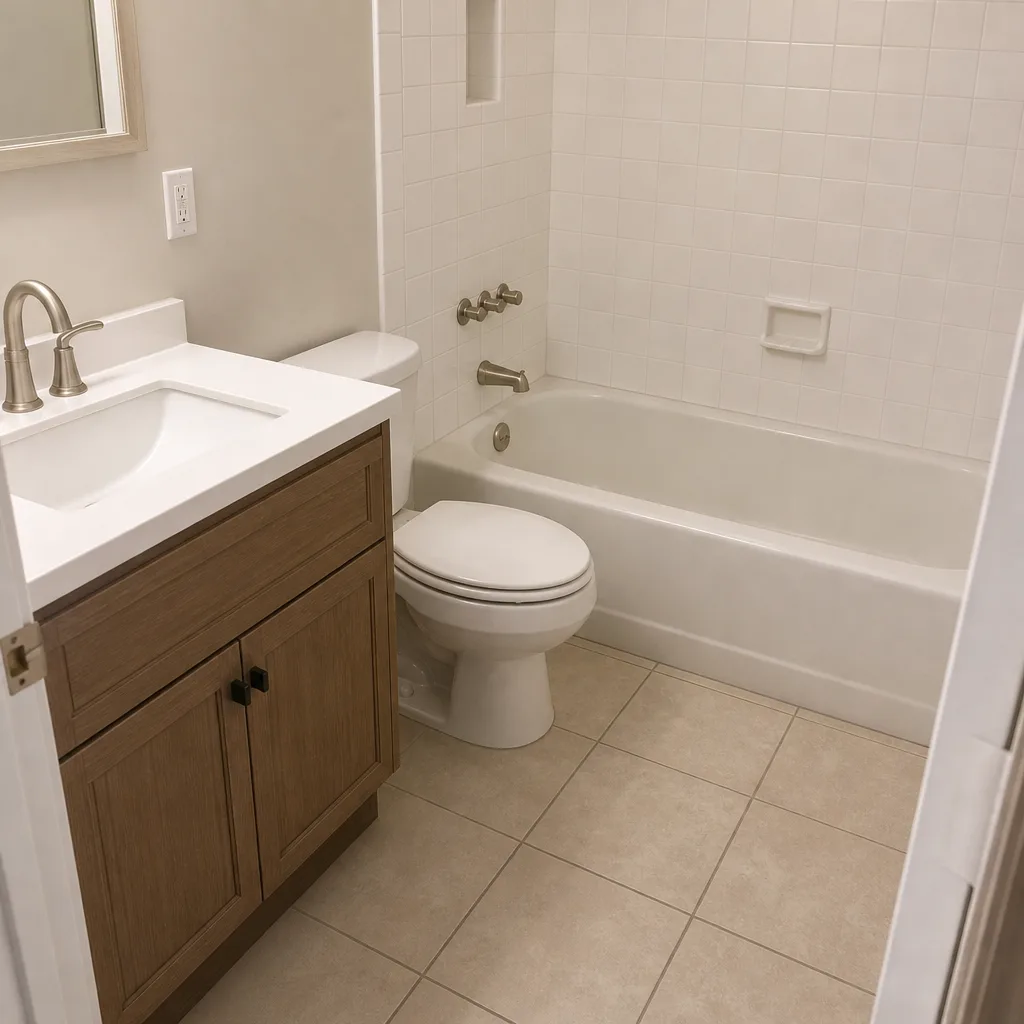 After
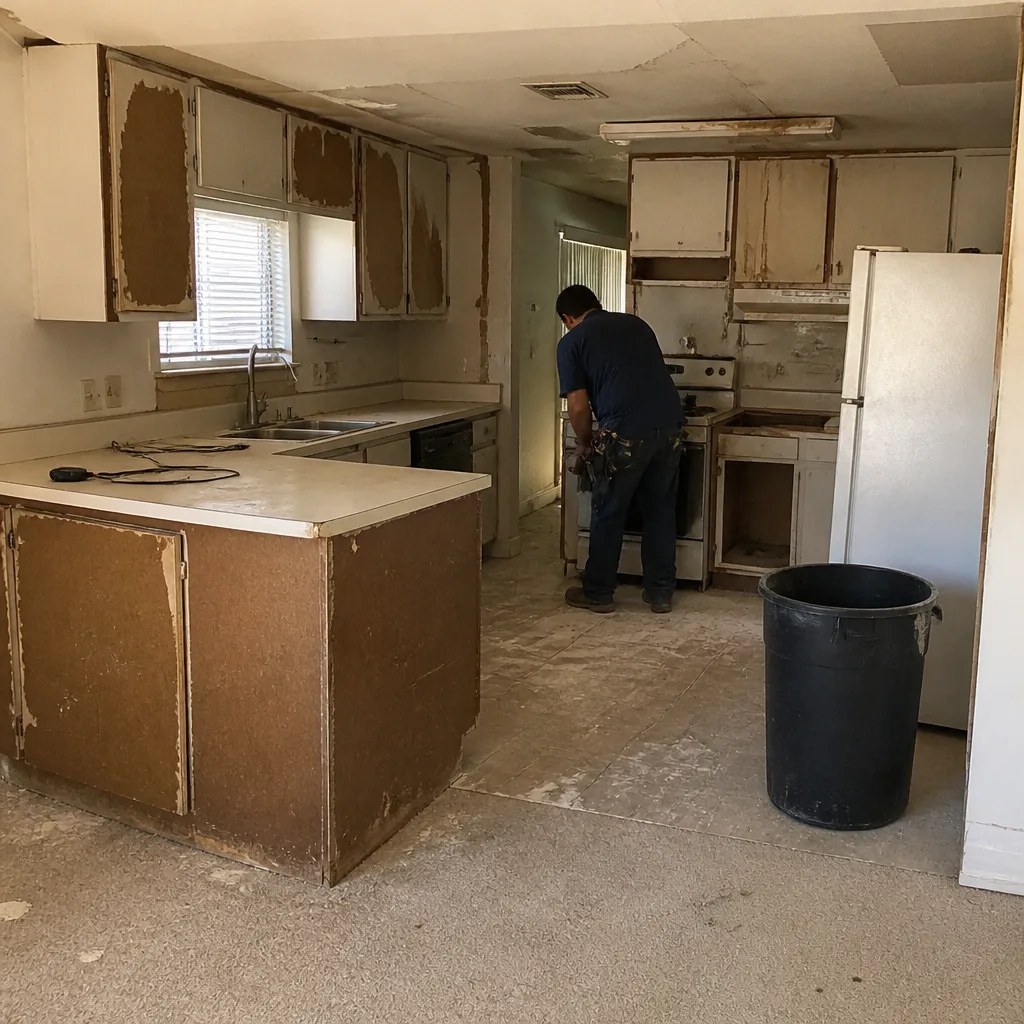 Before
 After
 Before
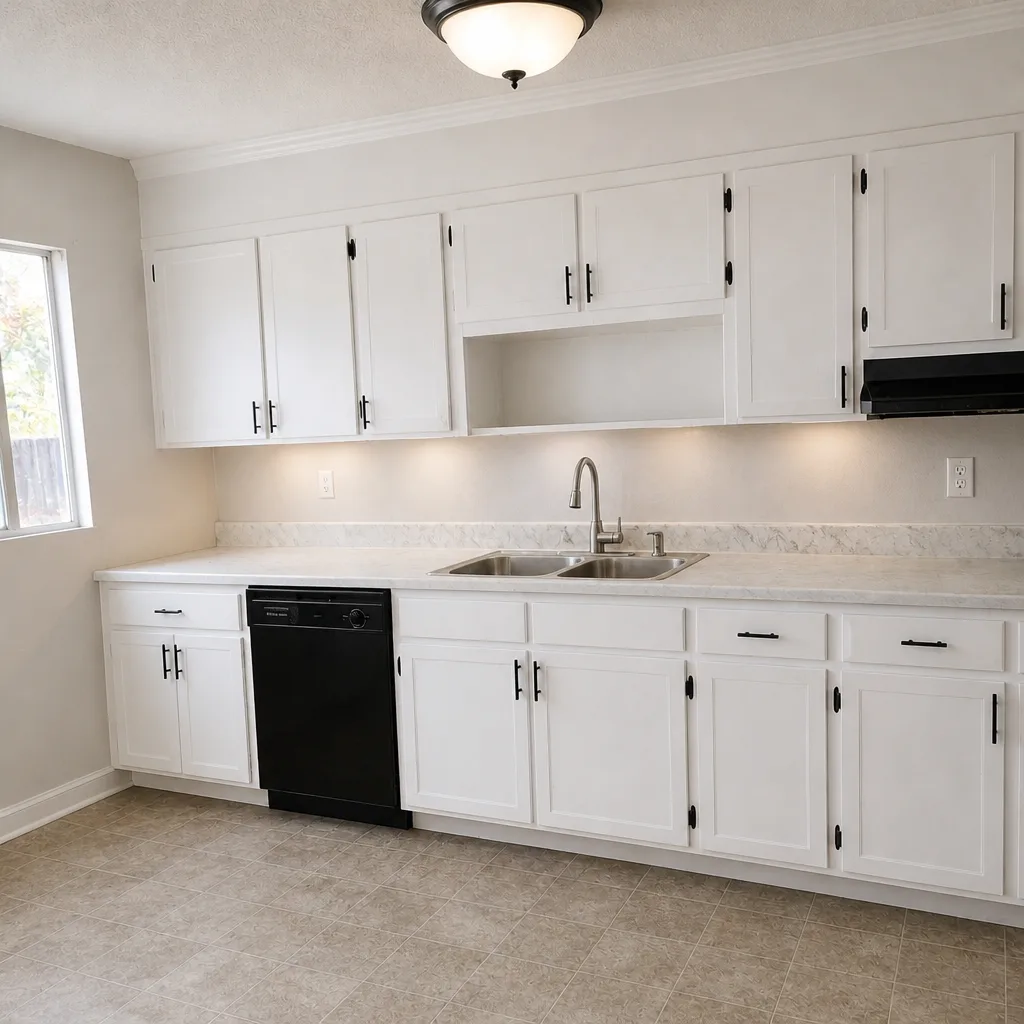 After
When to Call a Professional

Some of this calendar is genuinely yours to do – disconnecting hoses, checking grade after a storm, watching for shingle curling from the ground. The rest crosses into work where the risk and the cost of getting it wrong justify a professional. Call one when a roof needs to be walked, when water is running toward the foundation instead of away, when a supply line needs to be cut and re-routed, when masonry or framing is involved, or when a repair has crossed from cosmetic to structural. If you’ve received a written estimate from another contractor and want a second read on it, we’ll review it line by line at no charge.
Rowan Construction Group Las Vegas offers free estimates in Las Vegas – call (833) 467-9123. Every quote is a flat written price with a written scope and a written warranty before any work starts. No change proceeds without a signed change order, which is why our projects have finished within a few percent of the agreed number across 4,000-plus jobs. Every visit includes a documented photo record, our technicians are background-checked and uniformed, and a live person answers the phone any hour of the day.
Frequently Asked Questions
The best window is October through April, when temperatures sit in the 60°F – 90°F range that most exterior sealants, paints, and coatings need to cure properly. October is the strongest single month because the monsoon is past and the freeze risk hasn’t started. Call (833) 467-9123 for a free estimate on any exterior work – the quote is in writing before the job begins.
Yes. The city averages 20 to 25 nights below freezing each winter, which is enough to burst an uninsulated exterior supply line running through a garage or along an exterior wall. Insulate exposed pipe, disconnect and drain hoses, and drain the irrigation backflow before the first hard freeze. For a line that needs re-routing, call us for a written estimate.
It was almost certainly applied when the surface was above 90°F. Sealant skins over before it bonds in that heat and fails early. The fix is to remove it and reapply during the 60°F – 90°F window, usually October through April. Call (833) 467-9123 to schedule an assessment – estimates are free and written.
Inspect the roof and clear drainage once in May, before the July-through-September monsoon, then check again after the first heavy storm. Heat degrades the underlayment and stresses membrane seams all summer, so a pre-season look and a post-storm look catch most problems while they’re small. If anything looks lifted or soft, don’t walk it – call us.
No. Under our standing offer, the price is written before any work starts, and no change proceeds without a signed change order. That discipline has kept our projects within a few percent of the agreed cost across 4,000-plus jobs. Call (833) 467-9123 for a free estimate on the repair you’re considering.
Roof and plumbing failures carry the highest exposure. A deferred flashing repair that turns into an active leak can run into the thousands once interior and structural damage is included, and a frozen supply line burst inside a wall doubles its own repair cost with water damage. Serving the whole Las Vegas valley, our technicians have up to 19 years of experience spotting those patterns before they spread. Call (833) 467-9123 for a written estimate.
The Bottom Line
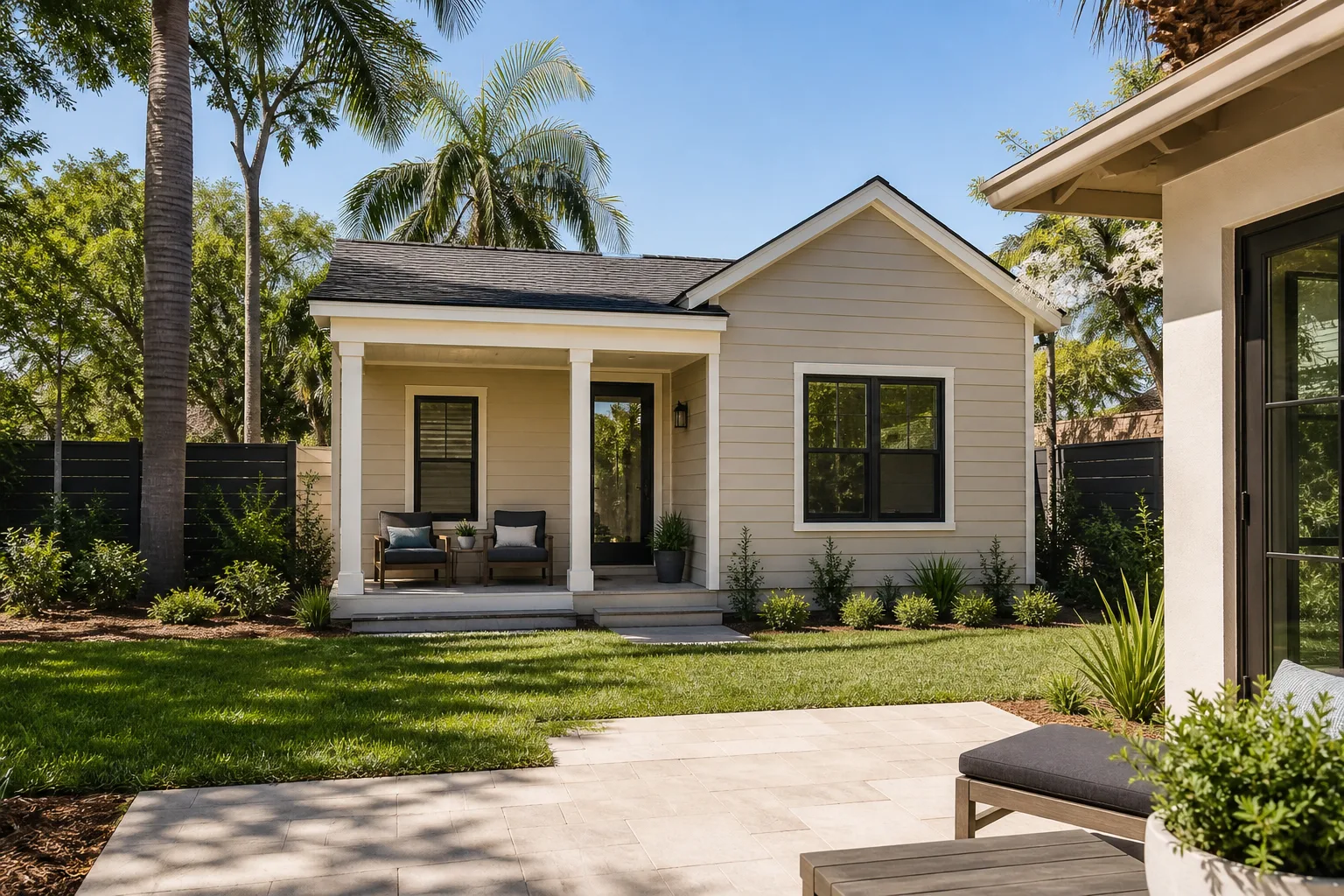
Build the calendar around the real curve, not the national one. Las Vegas gives you two prime exterior windows (roughly March – April and October – November), a summer defined by heat stress and monsoon rain, and two months of freeze risk each winter. Do sealants and coatings in the 60°F – 90°F window. Inspect the roof and drainage before monsoon, then again after. Prep exterior water lines every December. And when an item needs a professional, get the number in writing before anyone picks up a tool. That written record, more than any calendar, is what keeps a home protected and a budget intact.
Written by the team at Rowan Construction Group Las Vegas.