Last updated November 18, 2026
Free written scope consultation - allowances, timeline, and change-order rules on paper before a single trade is scheduled
DIY vs Professional Home Additions & ADU: What’s Safe to Do Yourself
Here’s the part of the DIY conversation that most guides skip: the danger of a bad home addition in Las Vegas usually isn’t a crooked stud or a patchy paint job. It’s the paperwork. A homeowner who self-performs framing on an unpermitted addition in Clark County can end up with a title insurance policy that excludes the new square footage, a mortgage lender that questions the structure at resale, and a buyer’s agent who asks for a demolition disclosure before anyone signs. The real line between DIY and professional isn’t technical skill. It’s legal exposure. This guide walks that line scope by scope, so you know exactly what Nevada law lets you do yourself and where the risk begins.
Quick Answer
In Nevada, you can legally self-perform almost anything on the home you live in under the owner-builder exemption, but that exemption doesn’t protect your insurance, your mortgage, or your resale. Structural, electrical, and plumbing scopes on a home addition or ADU should be done by a licensed contractor with a permit on record. Finish work like painting, cabinet installation, floating flooring, and landscaping is genuinely safe for a careful homeowner to do alone and can save real money. Draw the line at the legal boundary, not the technical one.
Styles & brands we work with
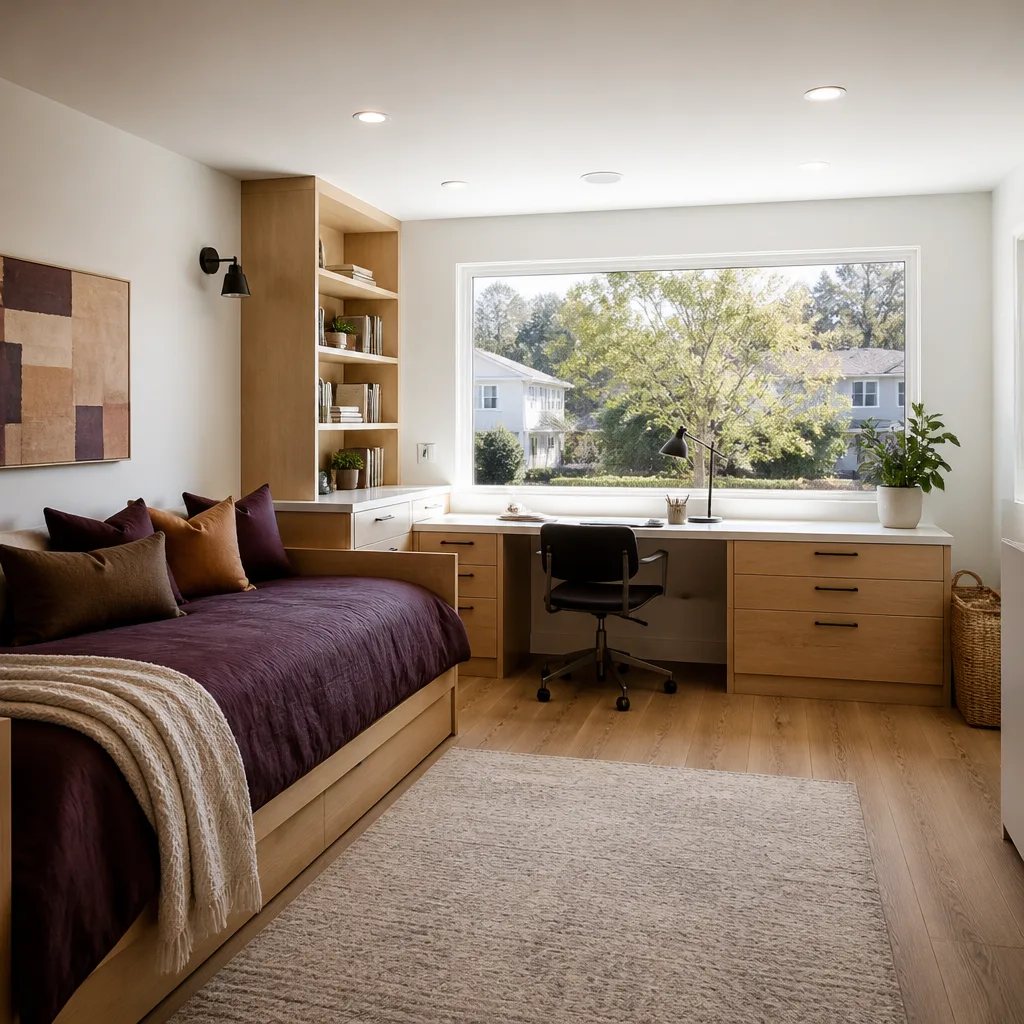
- Kitchen remodeling
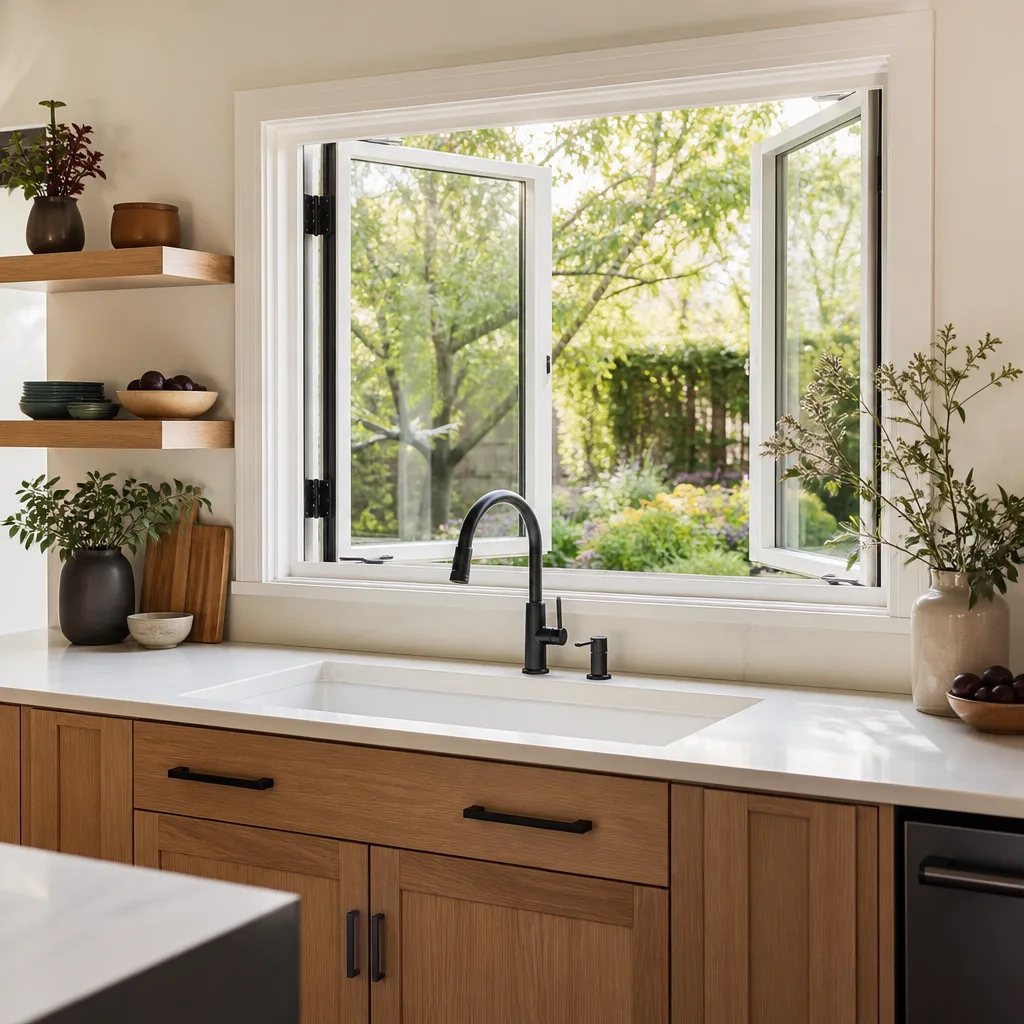
- Bathroom remodeling
- Home additions & ADU
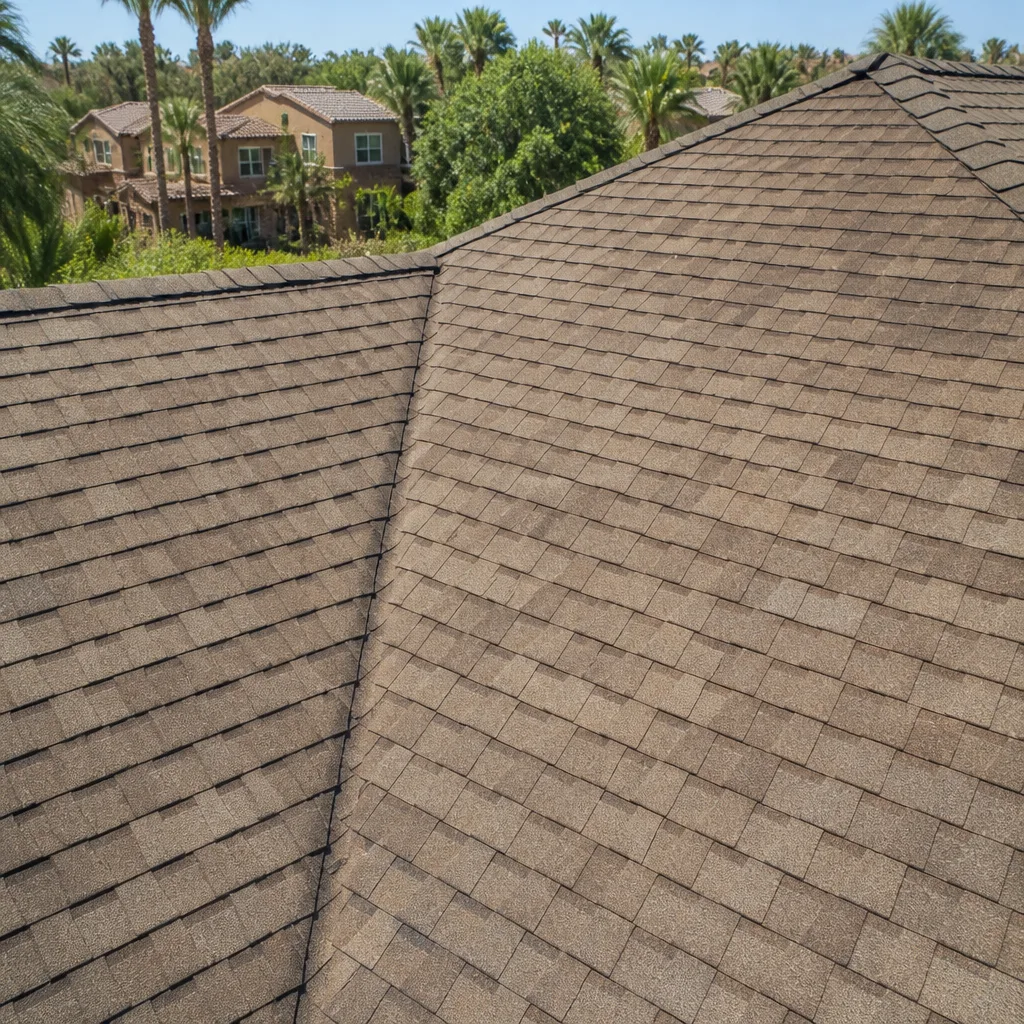
- Roofing
- Windows & doors
- Driveway & pavers
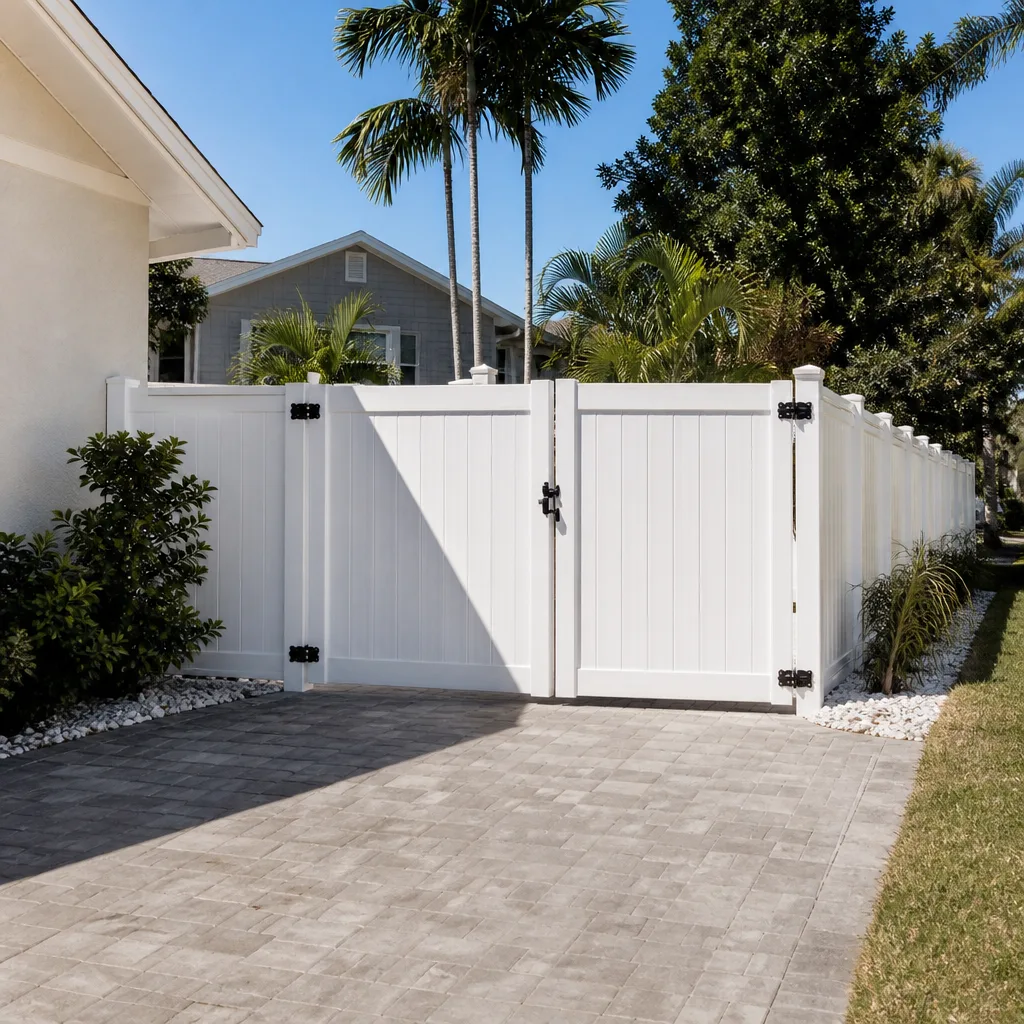
- Fence
Table of Contents
- What Nevada Law Actually Says About Owner-Builder Work
- The Insurance Test: Reading Your HO-3 Policy Before You Touch a Hammer
- Tasks That Are Genuinely Safe to DIY in Las Vegas
- Scopes You Should Not Self-Perform on an Addition or ADU
- How Unpermitted ADU Work Affects Appraisals and Refinancing
- How to Structure a Hybrid Project Correctly
- Permits, Inspections, and the Clark County Reality
- What DIY Really Saves (and Costs) in the Las Vegas Market
What Nevada Law Actually Says About Owner-Builder Work
Nevada Revised Statutes Chapter 624 governs contractors in this state, and the owner-builder exemption sits inside it. In plain terms: a homeowner can perform construction on their own primary residence without holding a contractor’s license, provided they don’t sell or rent the structure within a set period and provided they actually do the work themselves. The moment you hire someone else to work on your project without a license, both of you are exposed.
Here’s what trips people up. The exemption is narrow. It doesn’t cover rental properties. It doesn’t cover homes you’re flipping. It doesn’t cover a structure you plan to lease out the week after final inspection. If you’re building an ADU in Las Vegas specifically to generate rental income, the owner-builder exemption is the wrong tool for the job.
The scopes that legally require a licensed contractor in Nevada are fairly clear:
- Structural work – framing, load-bearing wall removal, foundation, shear walls. Every addition and ADU structure falls here.
- Electrical over 100 amps – panel upgrades, new service drops, subpanels. An ADU almost always triggers this.
- Plumbing rough-in – any new supply or drain line inside a wall or under a slab. Finish fixtures are a separate matter.
- Gas lines – no exceptions. If the ADU has a gas range or water heater, the line is a licensed trade.
- Anything requiring a permit that you don’t personally pull and personally perform – if you can’t sign the permit as the owner-builder, you shouldn’t be doing the work.
What’s left for the homeowner? Finish paint, cabinet installation on existing plumbing and electrical, floating floor systems, landscape work, and interior trim. That’s the honest list, and it’s still worth real money.
The Insurance Test: Reading Your HO-3 Policy Before You Touch a Hammer
Pull out your homeowner’s policy. Standard HO-3 forms across the major carriers writing in Las Vegas contain a “faulty workmanship” exclusion. It generally reads something like: “We do not insure for loss caused by faulty planning, faulty workmanship, or faulty materials.” That clause rarely surprises anyone until they realize what it means.
The exclusion isn’t just about the failed work itself. Insurers and courts have consistently extended it to resulting damage in many cases. If self-performed framing creates a moisture path that rots out a wall three years later, the carrier can point to the workmanship exclusion and deny the claim. If self-installed wiring causes a fire, the resulting loss can be denied as a foreseeable consequence of unpermitted, uninspected work.
Here’s the insurance test, in four steps:
- Read the exclusions section, not the coverage summary. Search your policy PDF for “faulty workmanship” and “ordinance or law.” Both matter for additions.
- Call your agent and ask a specific question. “If I self-perform framing on an unpermitted addition, is the resulting structural loss excluded?” Get the answer in writing, even if it’s an email. Verbal assurances disappear at claim time.
- Ask about the ordinance-or-law clause. If the county later requires you to bring an unpermitted structure into compliance, your policy likely covers $0 to $10,000 of that cost. Demolition and rebuild runs six figures on an addition.
- Check whether your policy pays for code upgrade. Most standard HO-3 does not. A permit-driven build is insurable; a self-performed one often isn’t.
This is why our crews treat documentation as a standard deliverable. The photo record of what was found and what was done, the signed change order, and the written warranty are what your insurer will want to see if a claim ever comes. If you’re planning a Las Vegas addition and don’t have a policy conversation on your calendar yet, put one there this week.
Tasks That Are Genuinely Safe to DIY in Las Vegas
Not everything is a liability question. Some scopes are honest DIY wins, and we’d tell a friend to do them himself without hesitation. These are the ones.
Interior finish painting
Paint prep, primer, and two coats on drywall is about as safe as construction work gets. A Las Vegas painter charges roughly $1.60 to $2.80 per square foot of wall surface for interior work, and a homeowner doing a 1,200-square-foot addition himself can realistically save $1,800 to $3,000 in labor. The one local caution: low-VOC paints dry faster than their labels suggest in Las Vegas summer heat, so cut your recoat window by about 30 minutes from what the can says.
Cabinet installation on existing plumbing and electrical
Installing stock cabinets where the plumbing rough-in and outlets are already set is a homeowner task. KraftMaid and Wellborn both publish install guides at the cabinet level, and the work is fundamentally level-and-plumb. Assume $60 to $95 per linear foot in contractor installation labor. That’s $1,500 to $2,400 on a 25-foot kitchen. The caveat: if the cabinet layout changes the plumbing or electrical, it stops being a DIY scope.
Floating floor systems
Luxury vinyl plank and floating engineered hardwood are designed for a homeowner install. No adhesive, no nails, click-lock seams. Las Vegas installers charge $2.50 to $4.50 per square foot installed. Material alone for a quality LVP runs $1.80 to $3.20 per square foot, so the savings land around $1.20 to $1.80 per square foot – about $1,500 to $2,200 on a 1,200-square-foot space. The one thing that matters in the desert: leave the material to acclimate at project temperature for at least 72 hours before laying, or the seams will gap by summer.
Landscaping and hardscape finish
Planting, drip-line installation, gravel spreading, and finishing borders are all fair game. Retaining walls over 30 inches in Clark County need a permit and structural sign-off, so that planter wall against the addition is probably not a homeowner scope. If hardscape is on your radar and the scope runs longer than a weekend, our team at Driveway & Pavers in Las Vegas can walk a property and give you a written number for what’s worth keeping on your side.
Scopes You Should Not Self-Perform on an Addition or ADU
The list of what to leave alone is shorter than the DIY list, but the risk per item is dramatically higher. These are the scopes that produce headlines and insurance denials.
- Structural framing and foundation work. A popped nail in a stud wall is a cosmetic issue. A missed load path or a header sized one size small is a structural failure. This is a licensed trade on a wood-framed addition, and it’s not negotiable.
- Electrical panel work and new service. A new ADU almost always means a subpanel and often a service upgrade. Electrical is the leading cause of home fires in the U.S., and the code requirements for conduit, grounding, and GFCI/AFCI protection are too easy to miss without a licensed electrician on the job.
- Plumbing rough-in under slab or inside walls. One bad joint behind drywall is a $15,000 to $40,000 repair in an addition. A Las Vegas slab leak remediation alone runs $4,000 to $12,000 depending on access.
- Gas lines. No exceptions. Gas work is a licensed-only scope in Nevada and the safety stakes are not theoretical.
- Roof-to-wall tie-ins. Where the addition roof meets the existing roof is the single most common leak location in new construction. The flashing detail, the ice-and-water underlayment, the shingle course integration – all of it is a licensed roofer’s job. GAF and Owens Corning both publish detailed installation instructions that most homeowners never read, and that gap is where the leak starts.
- Drywall finishing over new structure. Hanging drywall is fair game; taping, mudding, and texture to a factory-finish level is a craft. A DIY finish shows up on every wall in raking light forever.
- Insulation and vapor barriers in a conditioned space. Las Vegas’s diurnal swing – 40-plus degrees between night and afternoon – makes vapor placement critical. A mis-installed barrier causes hidden moisture issues that appear two summers later.
None of this is about your skill. It’s about what happens when a lender, appraiser, insurer, or future buyer asks who did the work and wants documentation. Ask yourself one question before self-performing any of these: if a claim comes in five years, what’s my paper trail?
How Unpermitted ADU Work Affects Appraisals and Refinancing
An ADU is the single most affected structure when unpermitted work is present. A permitted, finished ADU in Las Vegas contributes $60,000 to $110,000 to a typical single-family property’s appraised value depending on square footage and finish level. An unpermitted ADU contributes materially less, and it can contribute nothing in a strict appraisal.
Three things happen in a refinance appraisal:
- The appraiser pulls the permit history. Any square footage not covered by a closed permit gets marked “unpermitted” on the report.
- The appraiser applies an adjustment. The typical treatment is to exclude the unpermitted square footage entirely from the gross living area calculation, then apply a cost-to-cure adjustment for the compliance risk. On a 600-square-foot ADU, that combination routinely reduces the appraised value by $40,000 to $80,000.
- The lender’s underwriter reviews the report and either downgrades the loan, requires the ADU to be brought into compliance before closing, or declines the loan outright.
Rental income comps assume a legal unit. If you’re buying a property with the intention of using the ADU’s rental income to qualify, “legally permitted ADU” is not a suggestion in the appraisal – it’s a requirement. Due-on-sale clauses in most conventional mortgages also trigger when a material structural change is made without the lender’s knowledge, which affects refinancing and transfers.
This is why we sequence the permit umbrella carefully on every Home Additions & ADU in Las Vegas project. The permit record is the asset. It’s not administrative overhead; it’s what a buyer’s lender will read at resale.
How to Structure a Hybrid Project Correctly
The smart money on most additions isn’t fully DIY or fully contracted. It’s a hybrid, structured correctly. Here’s the sequence we recommend.
The hybrid structure, in five steps
- Define the licensed scope in writing before anything begins. Structural, electrical, plumbing, gas, roof tie-in, HVAC, and drywall finish. This is the contractor’s permit umbrella.
- Pull the permit under the licensed contractor’s name. Every inspected scope is listed on the permit. This is the record that survives the project.
- Walk through inspections as a team. Rough-in, framing, insulation, drywall – each inspection represents a check that your insurance carrier, appraiser, and future buyer can verify.
- Close out the permit and get the final inspection signed off. This is the single most important document in the file.
- Perform the finish work yourself after final inspection. Paint, floating floors, cabinet install on existing rough-ins, landscape. No permit needed, no markup paid, no contract change to the record.
What you’re doing, in the lender’s language, is preserving the “as permitted” status while keeping the finished feel. What you’re doing in the homeowner’s language is saving the finish labor markup – often $8,000 to $18,000 on a 600-square-foot ADU – without losing the paper trail.
The other structural point: put a written change order in place for every scope change, even self-performed ones. Our founding discipline at Rowan Construction Group is that no change proceeds until the change order is signed. That rule exists because the record is what holds up when the appraiser and the lawyer ask. If you’re self-performing the finish work on a project we’re running, that scope still goes on the change order as an “owner scope” line item.
Permits, Inspections, and the Clark County Reality
Clark County’s building department runs a real permit process. Additions and ADUs need plan review before permit issuance, and plan review for a residential addition typically runs four to eight weeks on a complete submittal. Incomplete submittals get kicked back and reset the clock. That’s not a political fact; it’s what we see every week.
Unpermitted work in Clark County gets discovered three main ways:
- A neighbor complaint. Additions that show up on aerial imagery without a permit record get flagged fast, and in Las Vegas neighborhoods like Summerlin and Green Valley, that imagery is updated frequently.
- A contractor pulling a permit for a subsequent job. The permit record search will reveal prior unpermitted work, and the contractor’s permit can be held until the prior work is addressed.
- An insurer’s claim investigation. Once a claim is filed, the inspector follows the permit history.
The most common unpermitted pattern we see in Las Vegas additions is the roof tie-in. A homeowner self-frames and self-flashes the roof connection to save $3,000 to $6,000, and then the first August monsoon cycle finds it. Water entry at a bad roof tie-in costs $6,000 to $18,000 to remediate after the fact because the wall system behind it is already finished. Our roofing side at Rowan Construction Group Las Vegas home handles this detail on every project that touches it, because getting it wrong costs far more than getting it right.
One more Las Vegas-specific point: the desert’s UV load ages unpermitted exterior veneer and finish faster than the interior. James Hardie fiber cement siding installed without proper flashing will fail within five to seven years here, versus twelve-plus years when the flashing detail is done to manufacturer instruction. The desert punishes shortcuts that temperate climates forgive.
What DIY Really Saves (and Costs) in the Las Vegas Market
We think of cost in three categories. Contractor labor you avoid. Contractor labor you should never avoid. And the hidden cost figure most DIY guides never put on the page – the cost of remediation when DIY work fails an inspection or an appraisal.
Realistic DIY labor savings per scope (Las Vegas market)
- Interior paint (1,200 sq ft addition): $1,800 to $3,000 in labor saved
- Cabinet install on existing rough-in (25 linear ft): $1,500 to $2,400 in labor saved
- LVP floating floor (1,200 sq ft): $1,500 to $2,200 in material and labor saved
- Landscape finish (planting, drip line, gravel): $1,200 to $3,500 in labor saved
- Interior door and trim install: $800 to $1,800 in labor saved
Realistic remediation cost when DIY goes wrong
- Failed framing inspection (reframe single opening): $2,500 to $6,000
- Failed electrical rough-in (rewire a room): $1,800 to $4,500
- Slab leak from bad plumbing joint: $4,000 to $12,000
- Roof tie-in leak remediation after finish: $6,000 to $18,000
- Appraisal reduction on unpermitted ADU: $40,000 to $80,000
- Demolition order on unpermitted addition: $30,000 to $90,000
Now compare those numbers. The DIY wins are real, but they’re in the $1,500 to $3,500 range per scope. The DIY failures are in the $4,000 to $90,000 range. The math says self-perform finishes, contract structures. It’s not close.
Common Mistakes to Avoid
- Pulling an owner-builder permit for a rental ADU. The owner-builder exemption doesn’t cover income property, and using it on an ADU you plan to rent can require a full stop-work and re-permit at your cost.
- Assuming the insurance policy will cover a failed DIY scope. The faulty-workmanship exclusion reads plainly, and insurers apply it consistently. Confirm in writing before you start, not after.
- Self-performing the roof tie-in to save a few thousand dollars. In Las Vegas, the first monsoon cycle finds every shortcut. A leak under a finished addition costs five to ten times what the licensed roofer would have charged.
- Waiting until refinance to discover the appraisal reduction. The appraiser runs the permit history on day one. If the ADU is missing a closed permit, the reduction is already priced in before you’re in the loan officer’s office.
- Skipping the change order for self-performed scopes. Even scope you’re doing yourself needs a written line item, or the project paperwork has a hole in it that no future buyer will ignore.
- Bypassing plan review because the plan “looks straightforward.” Clark County’s review requirements are not discretionary. An incomplete submittal resets the eight-week clock and adds weeks of delay you’ll pay for in carrying cost.
- Doing drywall finish work in raking light without understanding texture. A DIY texture job shows every imperfection on every wall for the life of the addition. Hanging drywall is fair game; finish mudding is a craft worth paying for.
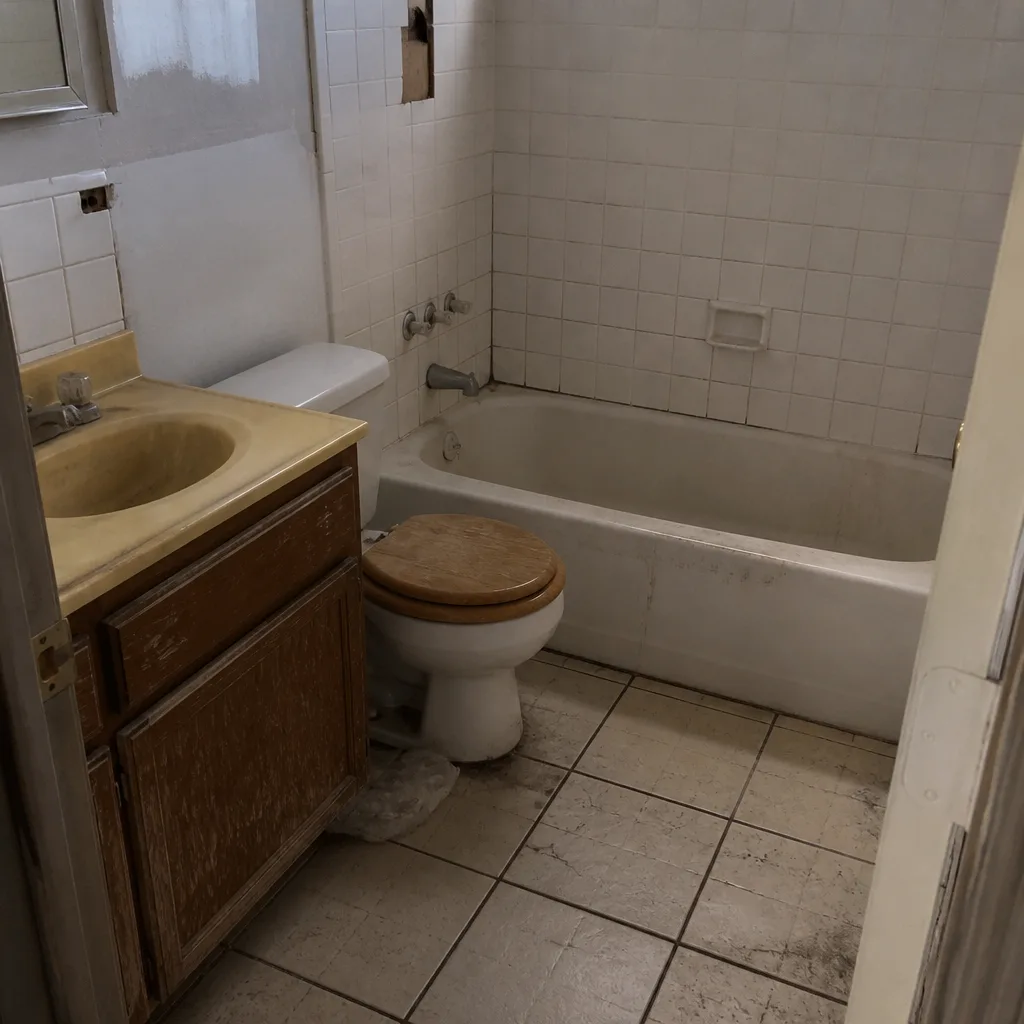
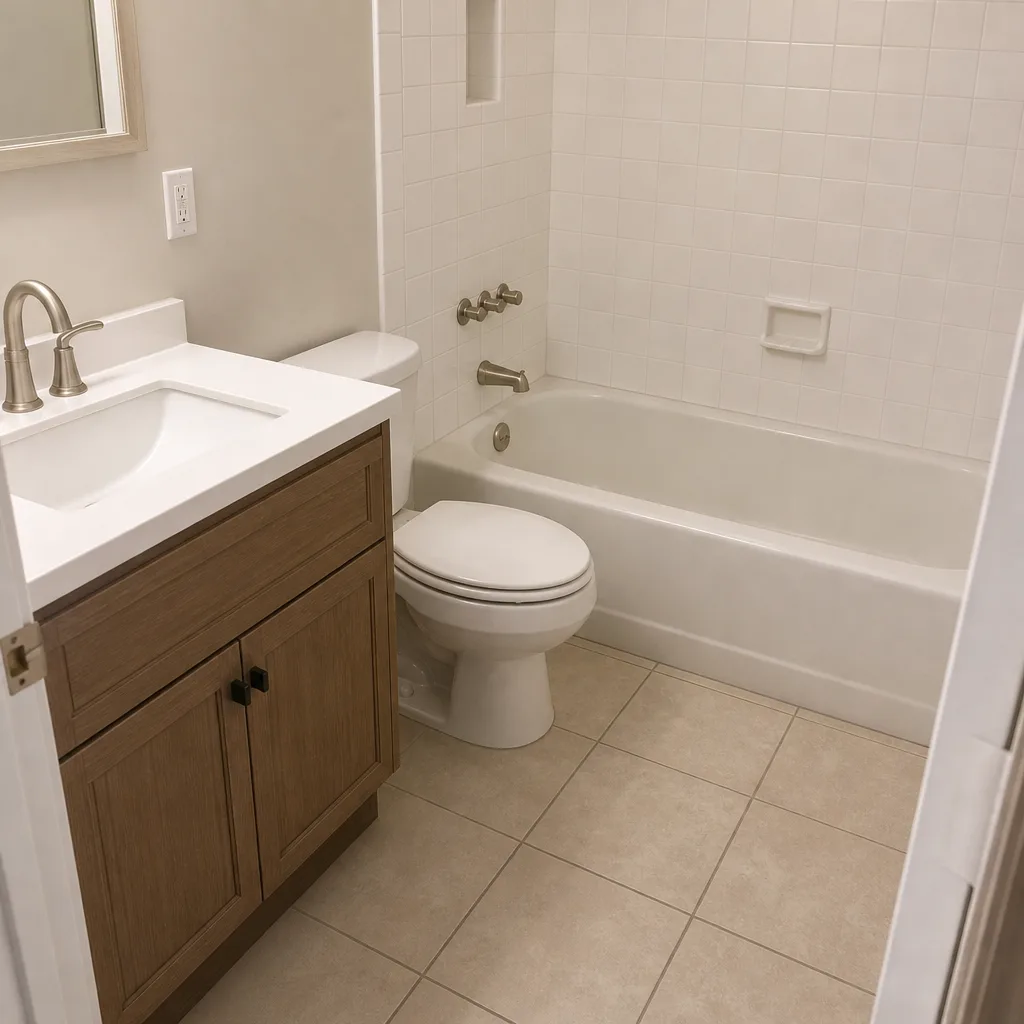
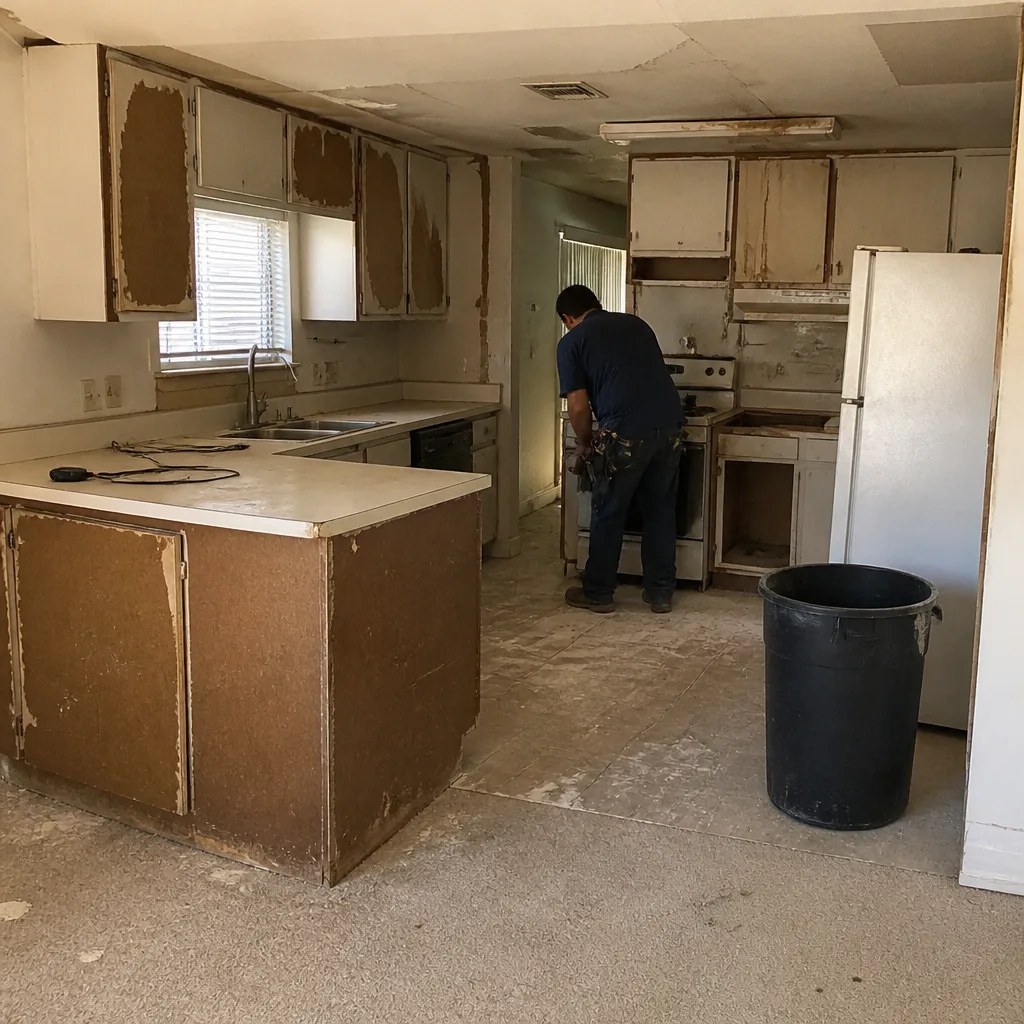
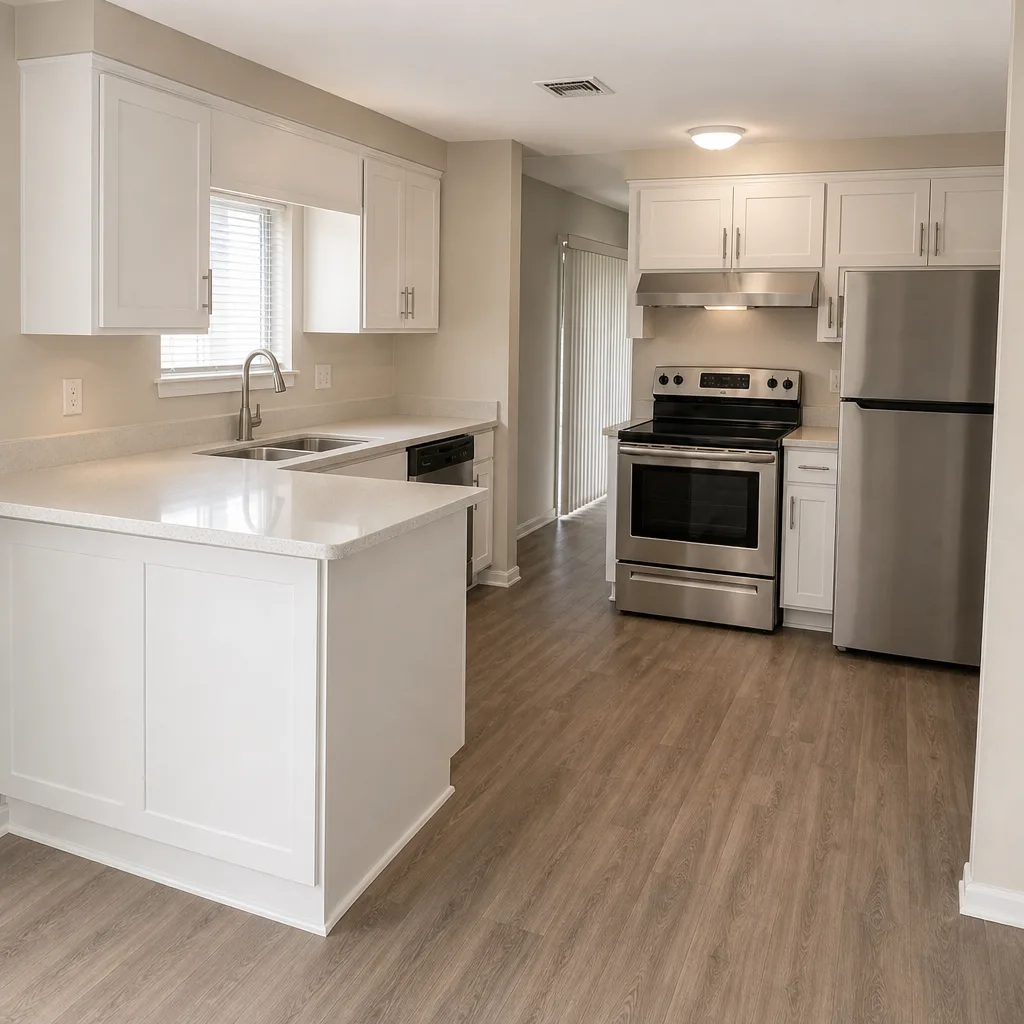
See the difference
 Before
 After
 Before
 After
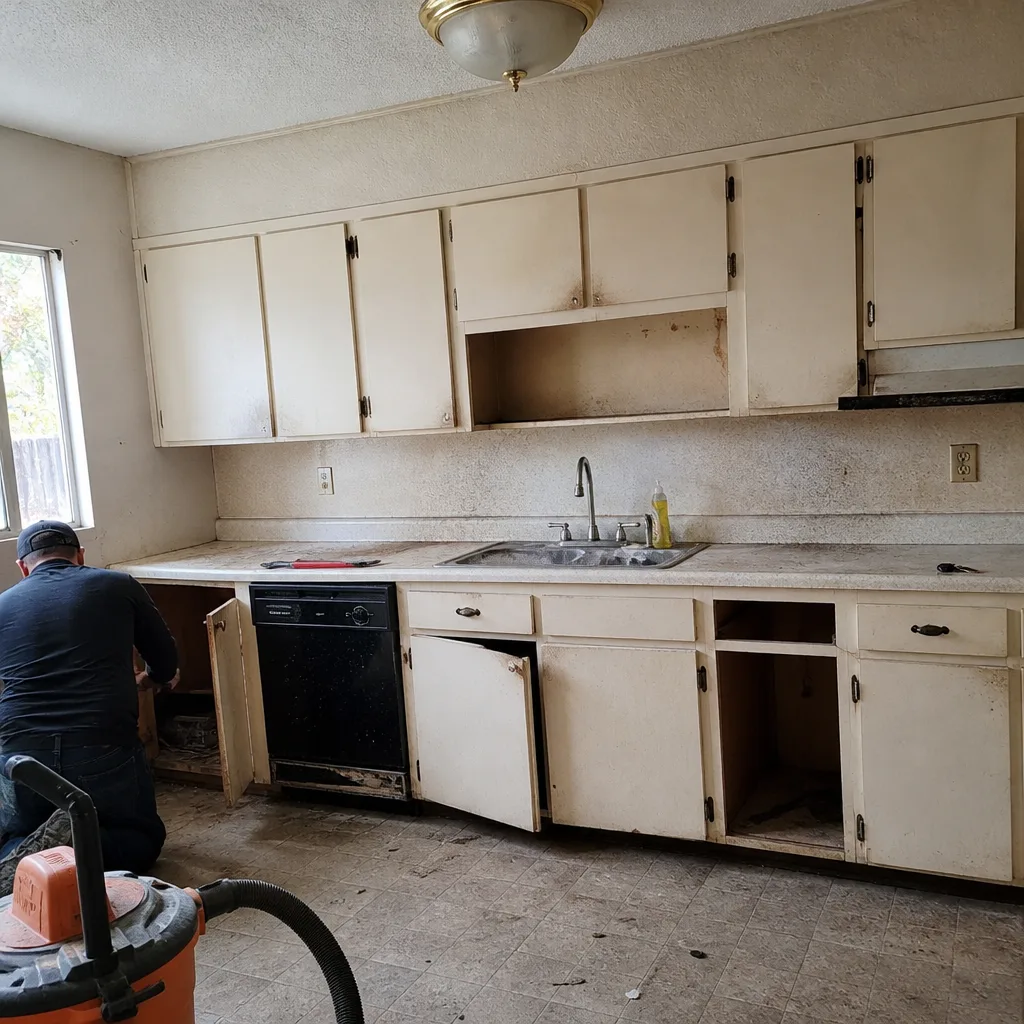 Before
 After
When to Call a Professional
Call a licensed contractor when the scope touches structure, electrical, plumbing, gas, roof tie-in, or HVAC. Call when the project is a rental property rather than your primary residence. Call when you’re planning to refinance within three years. Call when the ADU needs a permit record strong enough to support rental income in an appraisal. And call when any scopes overlap, because the sequence matters more than the individual trades.
Rowan Construction Group Las Vegas offers free estimates in Las Vegas – call (833) 467-9123. Every project comes with a written flat price before anyone picks up a tool, background-checked and uniformed technicians, and a documented photo record on every visit as a standard deliverable. Bring a competitor’s written estimate and we’ll review it line by line at no charge as part of our Free Second Opinion offer. The 365-Day Done Right Promise is on every page. We’d rather earn the project by showing you the numbers than win it on enthusiasm.
If the scope is bigger than a finish job and you’re weighing a full addition against a smaller refresh, our team at Fence Installation in Las Vegas and the roofing side can walk a property and talk through what’s worth doing now versus what can wait.
Frequently Asked Questions
Legally, the owner-builder exemption under NRS 624 lets you self-perform on your own primary residence, but the exemption doesn’t cover rental ADUs and it doesn’t protect you from insurance, appraisal, or due-on-sale exposure on the resulting structure. In practice, structural, electrical, and plumbing scopes on any ADU in Las Vegas should go through a licensed contractor with a permit on record. Call (833) 467-9123 for an exact quote – estimates are free.
Usually not for the faulty work itself. Standard HO-3 policies carry a “faulty workmanship” exclusion that applies to the failed work and often to resulting damage. Some carriers will cover resulting damage, but the standard position is to exclude it. The clean way to be covered is to have permit-driven, inspected work from a licensed contractor – call (833) 467-9123 for a written quote before you start.
$40,000 to $80,000 is the typical reduction on a refinance appraisal for a 600-square-foot unpermitted ADU, because the appraiser excludes the square footage from gross living area and applies a cost-to-cure adjustment. The reduction is priced before you sign, not after. Call (833) 467-9123 to talk through a permit-clean ADU scope with a written price.
Finish paint, floating floors, cabinet installation on existing rough-ins, and landscape finish work deliver the best ratio of labor saved to risk incurred – typically $1,500 to $3,000 per scope. Anything that touches structure, electrical, plumbing, or roof tie-in is not cost-effective to self-perform in Las Vegas because the remediation costs dwarf the labor savings. Call (833) 467-9123 for a written scope covering the licensed portions.
Yes. Additions and ADUs go through plan review before permit issuance, and a complete submittal typically takes four to eight weeks. An incomplete submittal resets the clock. We sequence plan review against project start carefully on every appointment, and you get the plans walkthrough in writing before the submittal goes in. Call (833) 467-9123 to schedule a free estimate.
Not without a signed change order. Under the Haven Standard, no change proceeds on any scope until the change order is signed, which is the discipline that keeps projects within a few percent of the written price. If the change happens, it’s priced and signed before anyone picks up a tool. Call (833) 467-9123 for a written estimate – every project starts with a flat price on paper.
The Bottom Line
The DIY-versus-professional question for a home addition or ADU isn’t a skill test. It’s a documentation and liability test. Nevada’s owner-builder exemption allows self-performance on your primary residence, but that exemption doesn’t protect your insurance, your mortgage, or your appraisal. Structural, electrical, plumbing, gas, and roof tie-in work belong to licensed contractors with published permits and inspected records. Finish paint, floating floors, cabinet install on existing rough-ins, and landscape work are genuinely safe and save real money – $1,500 to $3,500 per scope in the Las Vegas market. Everything in between belongs in a written change order so the record holds up when a lender, insurer, or buyer asks. DIY the finishes. Contract the structure. Keep the paper trail. That’s the line.
Written by the team at Rowan Construction Group Las Vegas.