Last updated November 18, 2026

Free written scope consultation - allowances, timeline, and change-order rules on paper before a single trade is scheduled
The Complete Fence Installation Guide for Las Vegas Homeowners
Las Vegas HOAs in master-planned communities rejected or required modification of roughly one in three fence permit applications in recent years. In nearly every one of those cases, the homeowner had already picked a material and height that Clark County code allows, only to learn their CC&Rs forbid it. Approving the fence with the county and approving it with your HOA are two different processes, and neither one negotiates with the other. Neighbor setback agreements are the third rule that decides whether your fence stands or comes down. This guide walks through all three, then covers material performance in desert heat, wind-load footing requirements for exposed lots, and the 811 utility locate that protects buried irrigation lines. By the end, you’ll know what to check before you spend money on a fence in Las Vegas.
Quick Answer
In Las Vegas, install a fence by clearing three approvals before ordering materials: a county or city building permit where required, written HOA architectural approval for height, material, and color, and any recorded setback or easement agreements with neighboring parcels. Only after all three clear do you select from Ameristar aluminum, wrought iron, vinyl, or CMU block, and set posts below frost line with footings sized for your wind-exposure zone. A typical residential fence permit in Las Vegas runs $100 to $350 depending on height and type. Skipping the HOA step first is the single most common reason fences get torn out and rebuilt at the homeowner’s expense. Call us at (833) 467-9123 if you’d rather have someone verify the paperwork before a shovel touches the dirt.
Styles & brands we work with
- Kitchen remodeling
- Bathroom remodeling
- Home additions & ADU
- Roofing
- Windows & doors
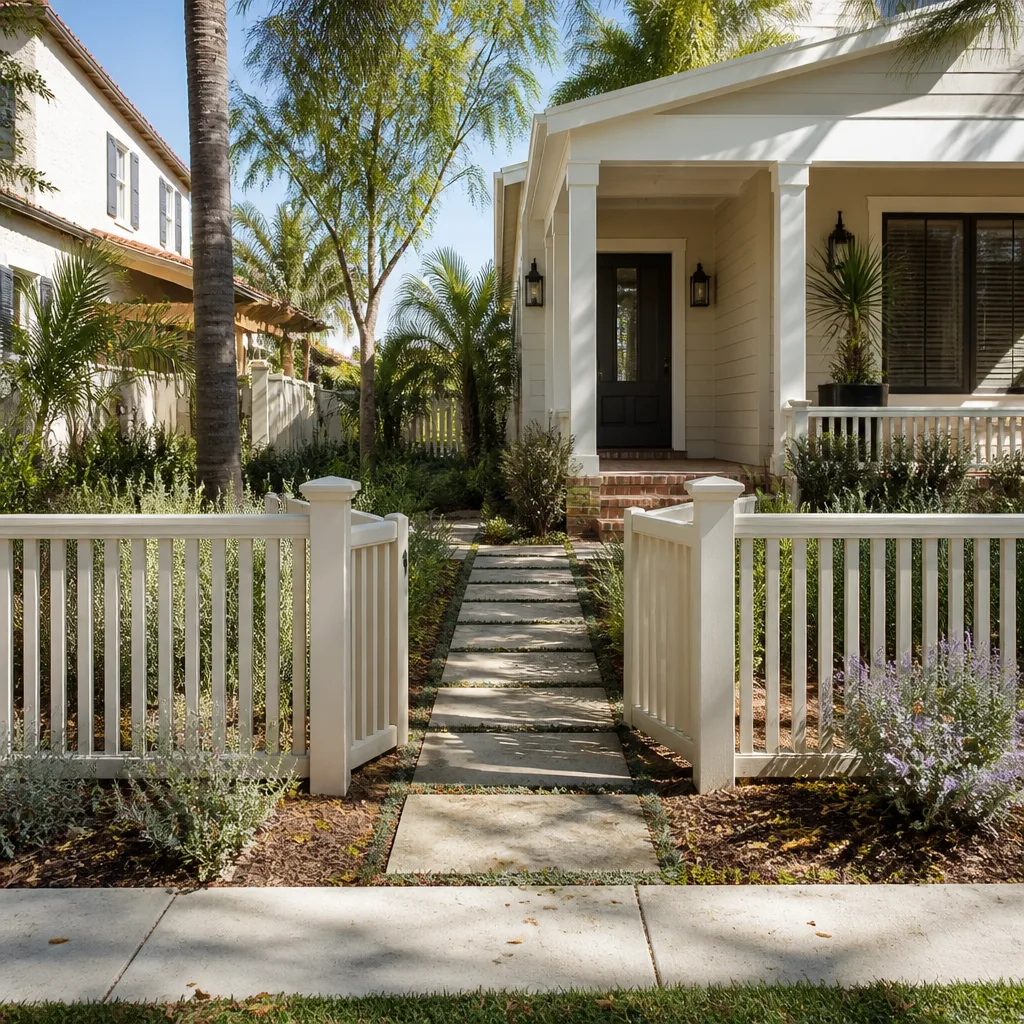
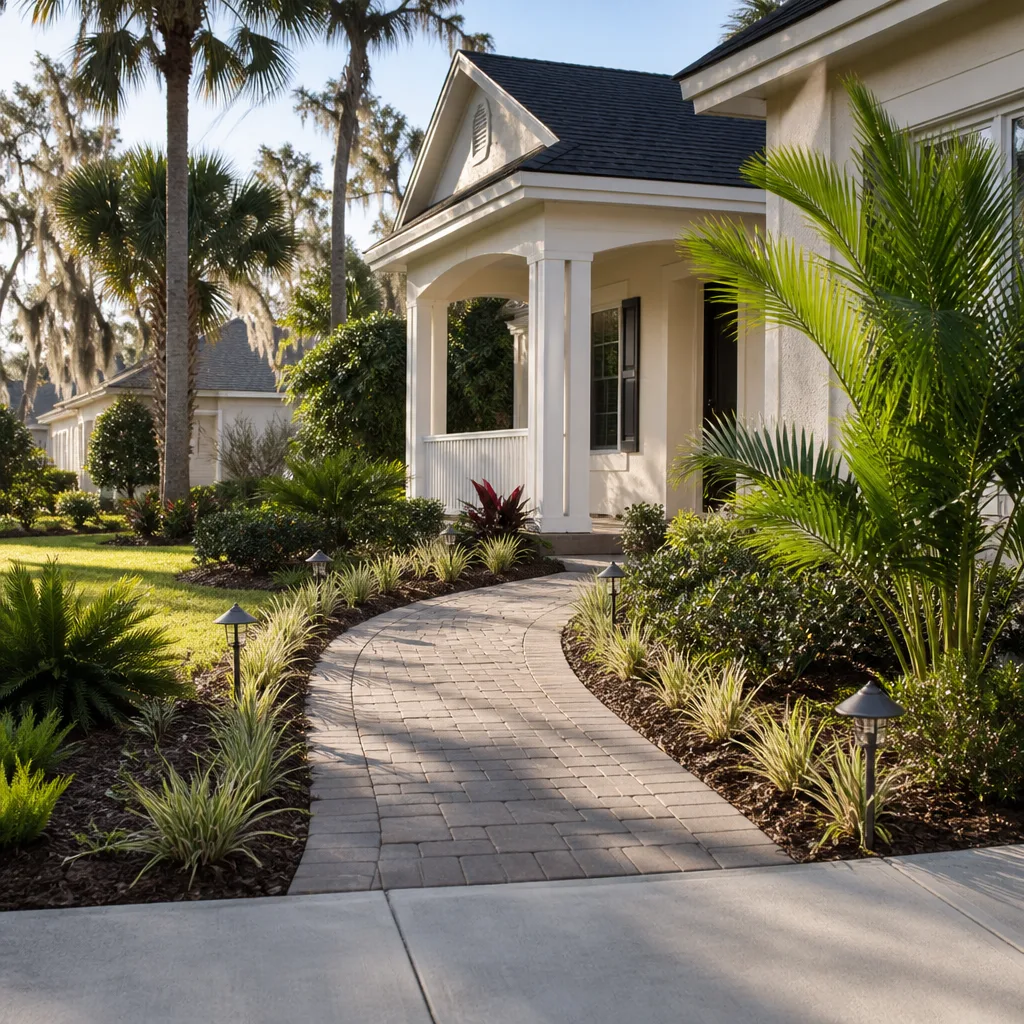
- Driveway & pavers
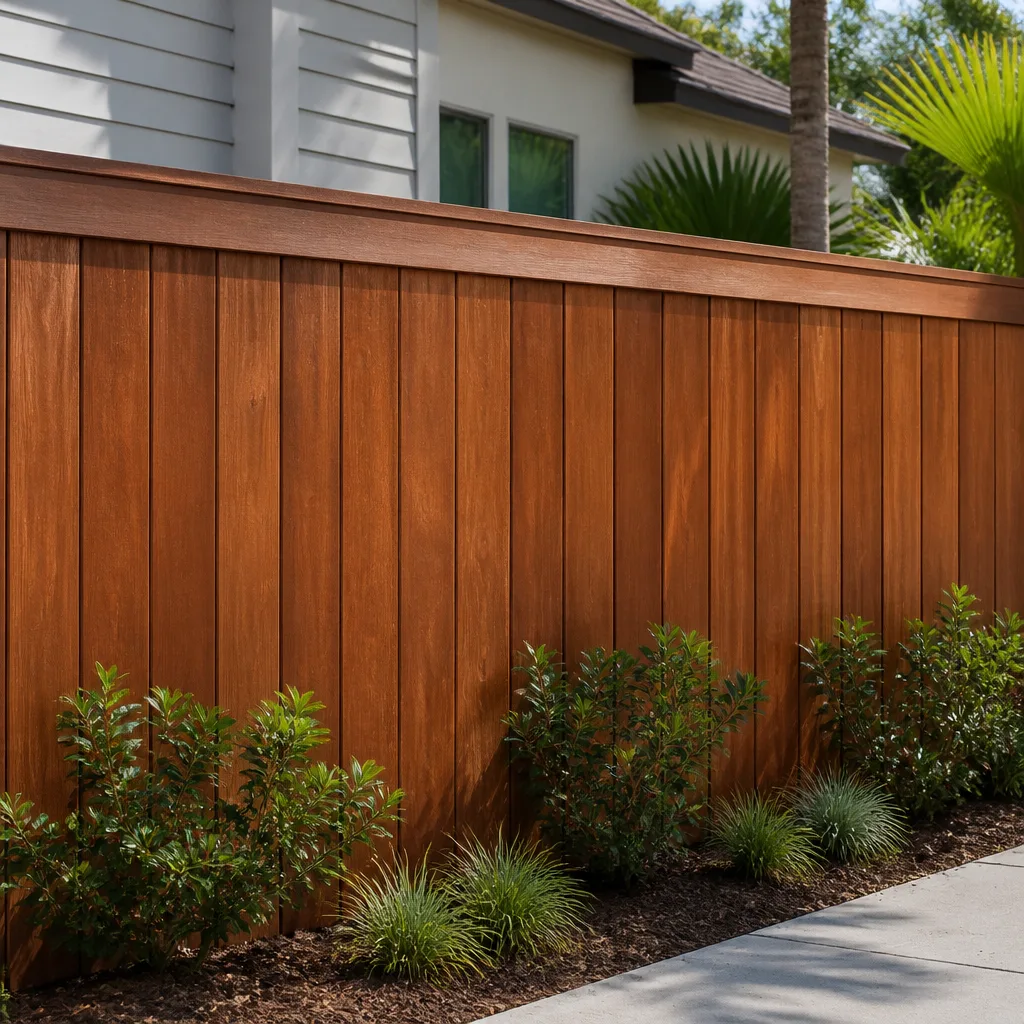
- Fence
Table of Contents
- The Three Rule Sets That Govern a Las Vegas Fence
- How to Read Your HOA Architectural Guidelines Before You Pick a Material
- Clark County vs. City of Las Vegas vs. Henderson Fence Permits and Height Limits
- Material Performance in Las Vegas Heat and Sun
- Wind Load Requirements and Footing Depths for Exposed Lots
- Nevada 811 Utility Locate: Why Las Vegas Is Different
- The Installation Process, Step by Step
- What Fence Installation Costs in Las Vegas
The Three Rule Sets That Govern a Las Vegas Fence
Fence work here runs through three separate authorities, and they don’t talk to each other. The county or city issues the building permit and checks structural compliance, including height and wind anchorage. Your HOA enforces architectural rules under its CC&Rs, which can be stricter than code in every category. Neighboring property agreements – recorded setback lines, common-area easements, and shared-wall covenants – determine where the fence can legally sit.
Here’s the order that keeps money in your pocket:
- Pull your CC&Rs and architectural guidelines first. Before you look at a single catalog.
- Confirm zoning and height limits with the jurisdiction that has authority over your parcel. Not the one with the city name you use in your mailing address.
- Check your plot plan for easements and setback lines. A fence inside a utility easement or a drainage swale can be ordered removed regardless of permits.
- Get HOA approval in writing before ordering materials. Verbal approval from a board member is not approval.
- Then pull the building permit. If your jurisdiction requires one for the height and type you’re installing.
The projects that go sideways are almost always the ones where materials arrived before step four cleared. Rebuilding a fence line in Summerlin or Southern Highlands isn’t a small line item; it’s a full second purchase.
How to Read Your HOA Architectural Guidelines Before You Pick a Material
HOAs in Las Vegas master-planned communities exist to keep a visual standard, and fences are one of the biggest levers they regulate. When you pull your architectural guidelines packet, you’re looking for four things, in this order.
- Maximum height. Many communities cap side and rear fences at 5 feet or 6 feet even where county code allows 6 or 7. Some also regulate the transition height near the front corner of the lot, which is often where the conflict happens.
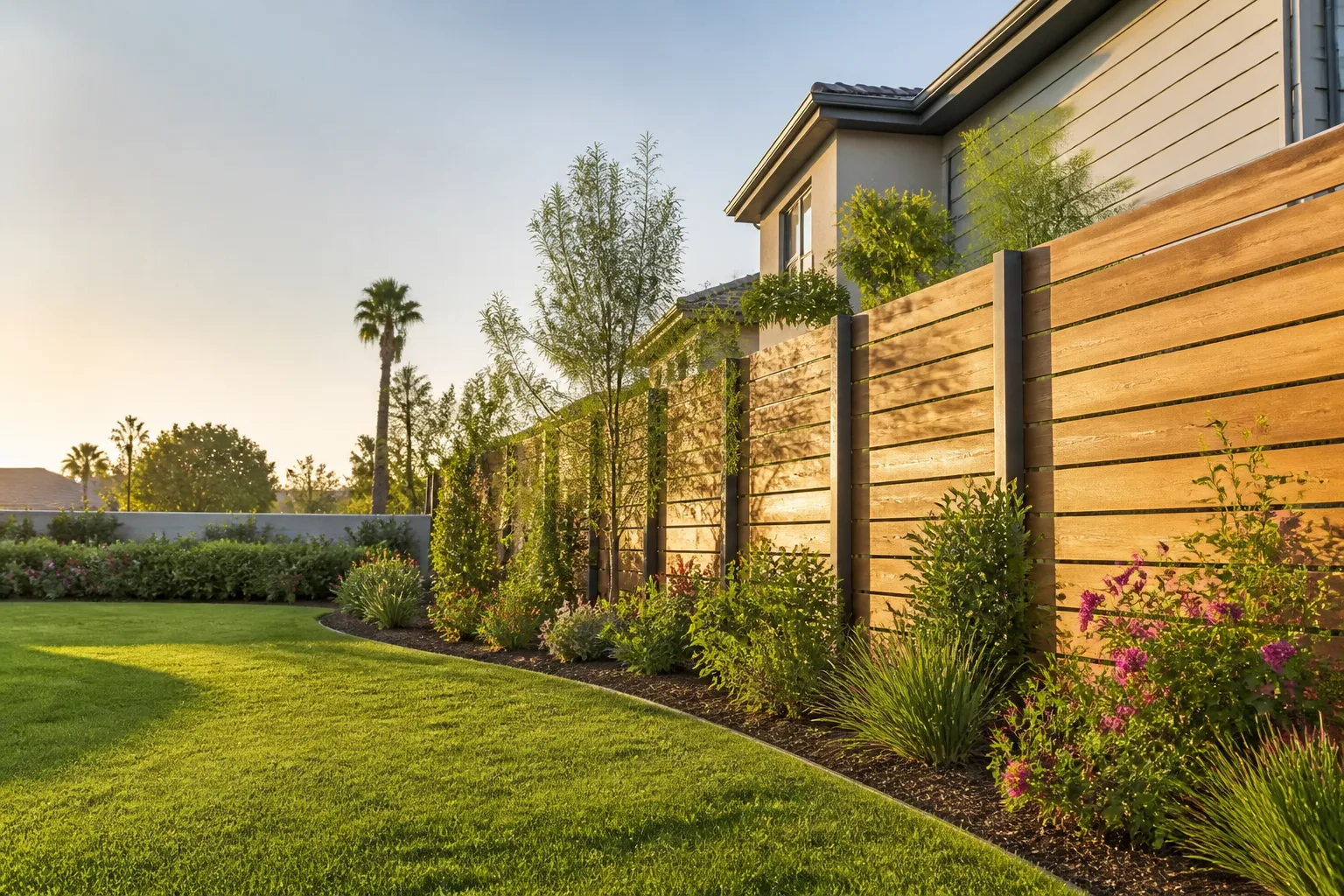
- Approved materials list. Most HOAs in Las Vegas permit wrought iron, aluminum ornamental, and CMU block in approved finishes. Vinyl and wood are restricted in a growing share of communities, often because they weather poorly in the sun and wind.
- Color palette. Even when aluminum is allowed, the color usually isn’t free choice. Expect either a specified color or a small approved set, and expect to submit a manufacturer’s color chip with your application.
- Submission requirements. Most packets ask for a plot plan showing the fence line, elevations, material and color specs, and a site photo. Some require a neighbor acknowledgment signature.
Read the entire packet before selecting material. If you pick before you read, you’ll almost certainly want something the packet restricts. That’s the failure we see most often in Las Vegas – not bad installation, but a fence that was never going to survive the architectural review. The team at Fence Installation in Las Vegas reads these packets as a first step, not an afterthought, because the material decision is downstream of the paperwork.
Clark County vs. City of Las Vegas vs. Henderson Fence Permits and Height Limits
Las Vegas Valley addresses fall under several jurisdictions, and the fence rules differ. It’s not enough to know which city you live in; you need to know which authority has permitting over your parcel. Summerlin and some unincorporated communities sit in Clark County, while Henderson has its own building department.
Broadly, the framework looks like this:
- Clark County: residential fences generally capped around 6 feet in rear and side yards, with some zone-specific allowances. Fences over a threshold height in high-wind exposure zones typically require engineered anchorage.
- City of Las Vegas: similar baseline heights, with added review for corner-lot sight triangles at intersections.
- Henderson: permit requirements by height and fence type, and stricter attention to wind anchorage on hillside and open-desert lots.
Which fence types need a stamped engineer drawing? In our experience, that varies by height and by exposure zone. As a rule of thumb, keep these in mind:
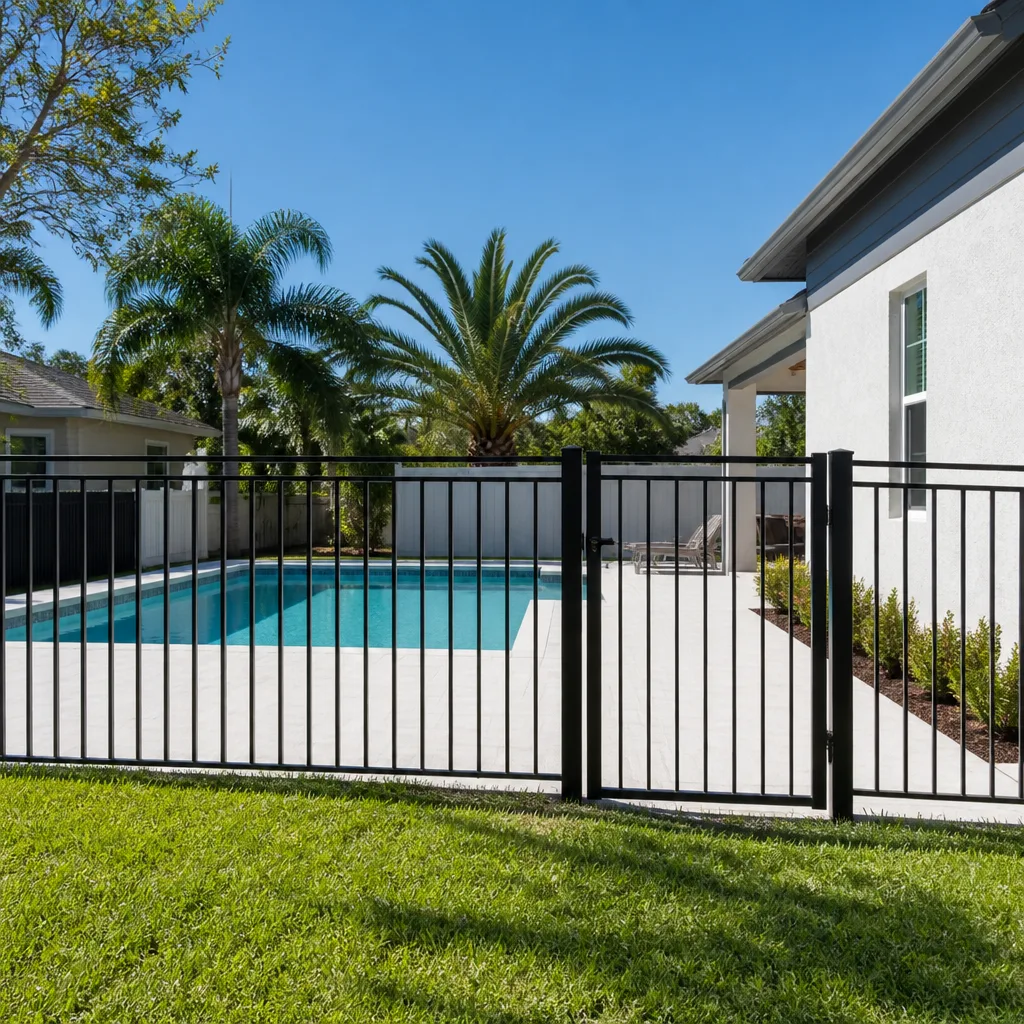
- Standard aluminum and vinyl privacy fences at or below the local height cap usually go on a standard permit.
- CMU block walls above specified heights almost always require a stamped drawing, because the wind load on a solid wall is much higher than on an open rail.
- Fences on hillside lots or open lots with long runs in high-wind corridors frequently trigger a wind-load review regardless of material.
- Retaining walls, or fences doubling as retaining walls, require their own structural review.
Confirm the actual numbers for your parcel. A permit that gets rejected after installation is much more expensive than a permit you pulled before the first post went in. If your project includes other exterior work, like a patio or wall extension, coordinate the timing with Driveway & Pavers in Las Vegas so you’re not pulling two permits for adjacent work.
Material Performance in Las Vegas Heat and Sun
Las Vegas is hard on fence materials in specific, predictable ways. UV load runs high most of the year, wind-driven sand abrades finishes, and summer surface temperatures on metal can hit punishing levels. Here’s how the common options actually perform.
- Wrought iron: corrosion risk is highest at the weld joints and near the ground line, because that’s where powder coat tends to chip and moisture collects. A well-prepped powder coat holds up well, but it needs periodic touch-up. Many Las Vegas homeowners have moved from wrought iron to aluminum for that reason.
- Aluminum ornamental (Ameristar, Jerith, ActiveYards): powder coat on aluminum generally holds a clean finish for years longer than iron in desert heat. The powder coat is the wear item, not the metal. Color fade on a good aluminum finish is slow, and chipping is repairable with a matching touch-up.
- Vinyl (Bufftech and similar): UV yellowing is real. Quality vinyl formulations hold color much better than low-end product, but any vinyl fence on a full south or west exposure will change tone over the years. Expect that going in, and pick a light color to minimize the perception of yellowing.
- CMU block: the most durable against sun and wind, and the most demanding on footings. A block wall is a wind sail – wind load on a solid 6-foot wall is substantial, and the footing and grout reinforcement have to match. This is the material most likely to require an engineer’s stamp.
In our experience, exposure matters more than the material name on the brochure. A north-facing run in a sheltered lot performs differently than an exposed west run near the open desert. Match the material to the run, not to the catalog photo.
Wind Load Requirements and Footing Depths for Exposed Lots
Las Vegas’s wind exposure varies block by block. A fence in a tight subdivision with intervening homes is sheltered. A fence on the perimeter of an exposed lot in North Las Vegas, or on a ridge lot in Summerlin, catches the full gust load. Post depth and concrete footing diameter have to reflect that.
The general patterns we work from:
- Post embedment depth increases on exposed runs compared to sheltered interior-lot runs. The deeper the post, the longer the lever the footing has to resist wind overturning.
- Footing diameter increases with post spacing and fence height. Spacing a 6-foot fence wider means larger footings per post to hold the same load.
- Concrete cure time before loading matters. Loading a post with panels before the concrete has cured is a common failure that only shows up in the first windstorm, which in Las Vegas can be a month after install.
- Hillside lots get extra review. A fence on a slope with a grade change often needs stepped panels and posts of different embedment depths.
Wind loads on solid block walls far exceed those on an open-rail aluminum or iron fence, which is one reason block gets engineer review at lower heights. If your lot sits on a windy perimeter, tell your installer that up front. In our experience, the difference between a fence that lasts and one that leans is a footing spec sized for the actual exposure, not the average.
Nevada 811 Utility Locate: Why Las Vegas Is Different
In most markets, calling 811 protects gas, water, power, and telecom lines. In Las Vegas, the stakes are higher because of buried irrigation and HOA common-area utilities. Deep irrigation lines serving common areas and valley-wide reclaimed water infrastructure are common in master-planned communities, and a post digging through one is a repair bill measured in thousands, not hundreds.
The process works like this:
- Call 811 or submit a locate request online at least two full business days before digging. Nevada law requires the notice, and it’s free.
- Wait for the markings. Locators mark the utility corridors in the ground on the property.
- Hand-dig near markings. Never put a post hole through a marking with an auger. Hand-dig to confirm depth and position, then proceed.
- Confirm private lines. 811 covers public utilities, not necessarily private irrigation or landscape wiring. Ask your HOA or prior owner about private lines. Landscape lighting and drip irrigation are often private and unmarked.
- Flag the entire fence line before marking. Locate requests are only useful if the markings cover the actual dig path, including the corners and any gates.
This step doesn’t get skipped on any project we run. A post that lands in a reclaimed water main in a Las Vegas HOA community turns a two-day install into a multi-week repair and a claim. It’s the least glamorous step in fence installation in Las Vegas, and it’s the one that prevents the worst cost overruns.
The Installation Process, Step by Step
Here’s what a properly sequenced fence installation looks like from a homeowner’s view.
- Pull the CC&Rs and confirm HOA architectural requirements. Written approval before materials.
- Confirm which jurisdiction has permit authority and the height and type requirements for your parcel.
- Check the plot plan for easements and setbacks. Confirm the fence line is legal where it sits.
- Call 811 and wait for markings. Hand-dig near any markings.
- Set posts with footing dimensions sized for exposure. Match concrete mix and cure time to the spec.
- Install panels, gates, and hardware. Hang gates after posts cure.
- Final walk-through. Confirm height, line, gate swing and alignment, and that any required inspection passes.
Every one of those steps is documented on our projects. Under the Haven Standard, the price is written before anyone starts, and no change proceeds without a signed change order. If you’re adding a fence as part of a larger exterior project, coordinate the fence line with the site plan for Home Additions & ADU in Las Vegas so the new structure’s setback doesn’t conflict with the fence.
What Fence Installation Costs in Las Vegas
Ranges below reflect typical residential Las Vegas projects. They vary with height, linear footage, exposure, and whether an engineer’s stamp is required.
| Fence type | Typical installed cost per linear foot |
|---|---|
| Aluminum ornamental (Ameristar, Jerith, ActiveYards class) | $35 – $65 |
| Wrought iron | $40 – $75 |
| Vinyl privacy (Bufftech class) | $30 – $55 |
| CMU block wall (with footing and reinforcement) | $55 – $110 |
| Fence permit (typical residential) | $100 – $350 |
| Engineer’s stamped drawing (if required) | $400 – $1,200 |
On a typical 100- to 150-foot rear and side fence line, aluminum or vinyl lands in the $4,000 to $8,000 range installed, with block walls running higher. Add the permit and any engineer review, and a realistic whole-project number in Las Vegas often lands between $5,000 and $12,000. Those are estimates, not quotes. A written price before any work starts is how we operate – call (833) 467-9123 for a free estimate specific to your lot.
Common Mistakes to Avoid
- Picking material before reading the CC&Rs. This is the most frequent cause of fence removal in Las Vegas HOAs. Read the architectural guidelines first, then shop materials.
- Assuming the county will approve what your HOA will not. Approvals from two different authorities don’t substitute for each other. You need both.
- Skipping 811 near a marked irrigation zone. Late spring and summer drips don’t forgive a post hole dug straight through a reclaimed water line. Call and hand-dig near markings.
- Setting posts with the wrong footing spec on an exposed lot. A sheltered lot and an open-perimeter lot in North Las Vegas need different footing dimensions. Wind load doesn’t average out.
- Loading panels before concrete cures. Dry-fit and wait. A rushed install fails in the first sustained wind, which in Las Vegas arrives well before the fence has settled.
- Setting a fence inside a utility easement. Check the plot plan. Easements get exercised, and the fence comes down at the homeowner’s cost.
- Assuming a verbal board approval is written approval. It isn’t. Get it in writing before the first post.
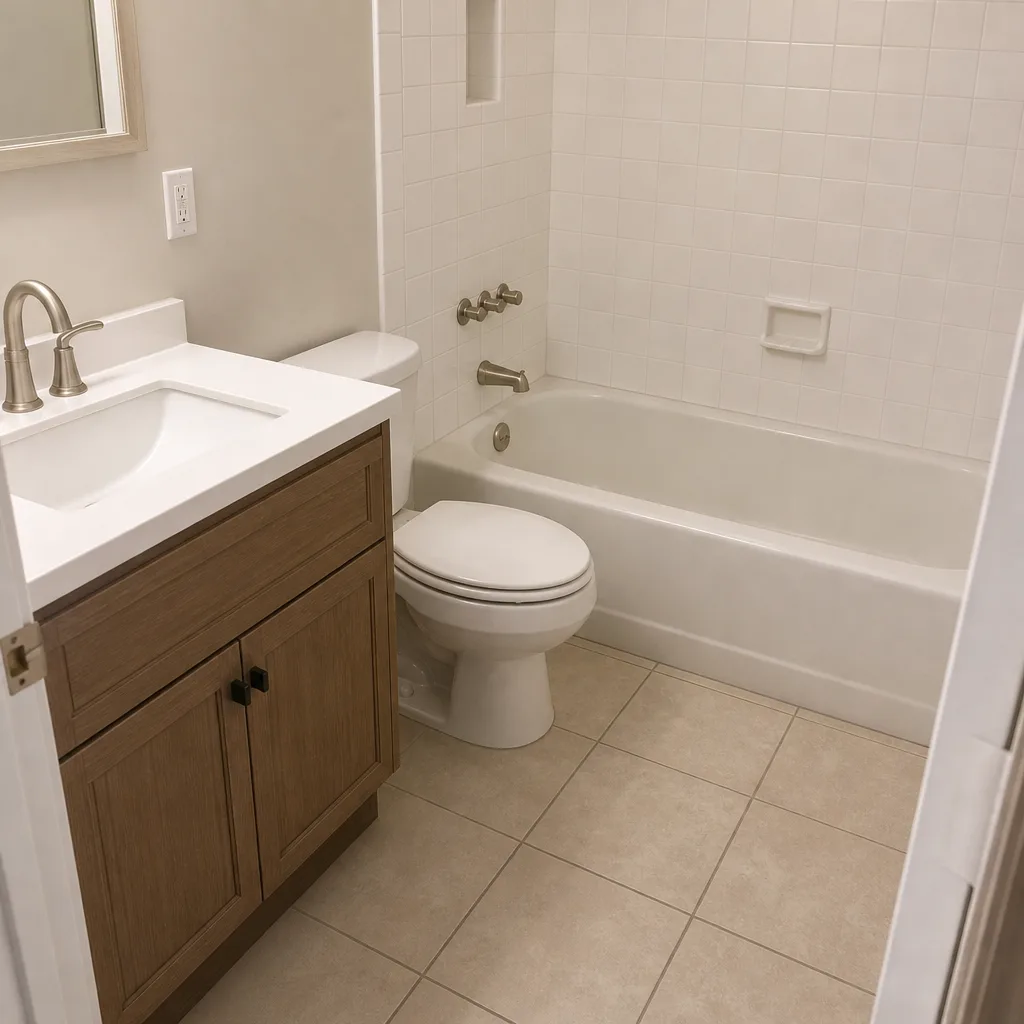
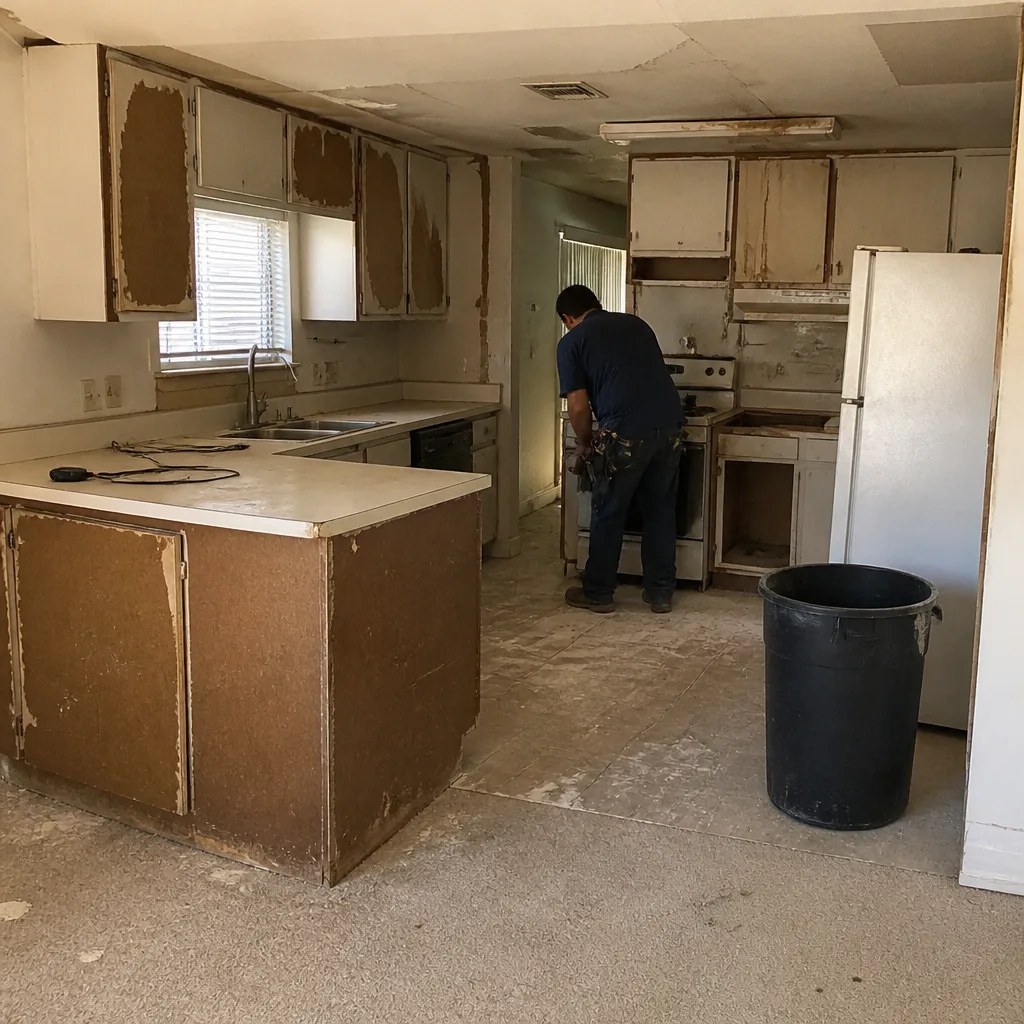
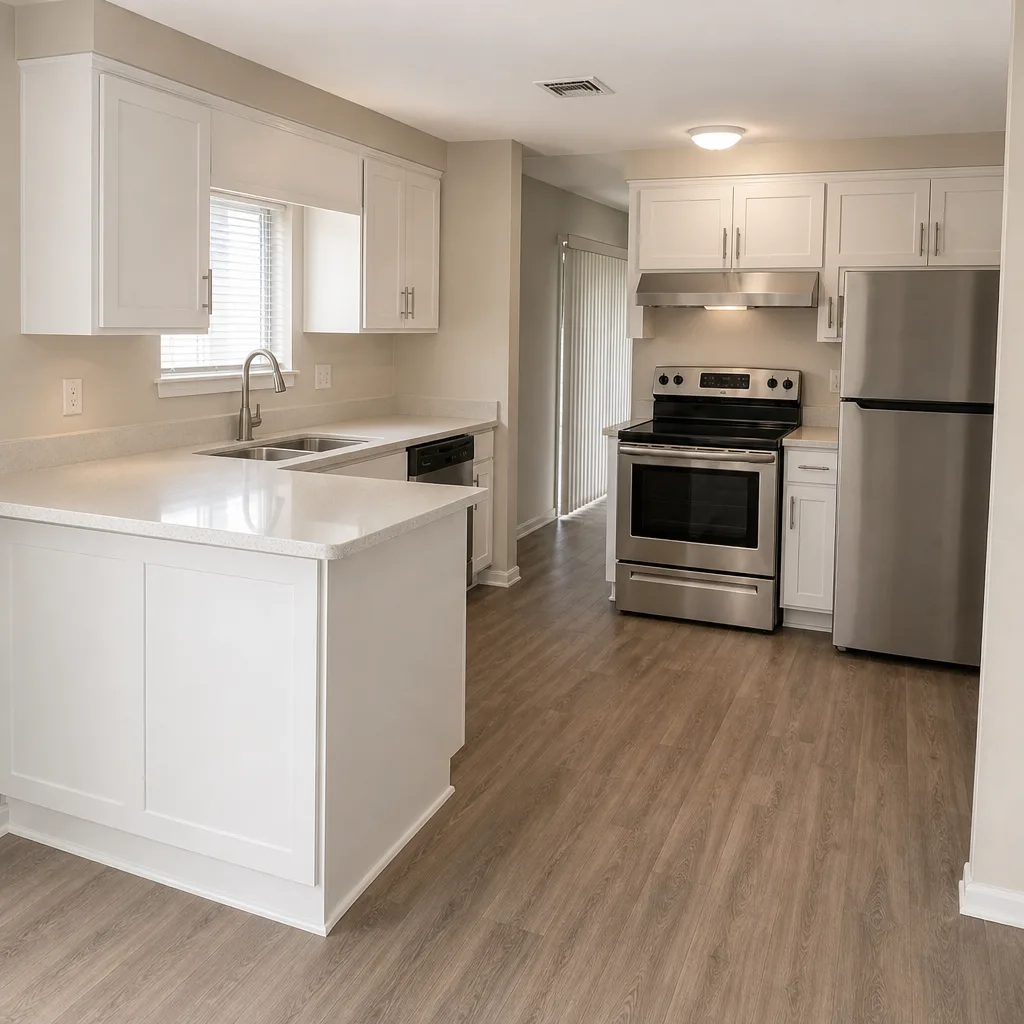
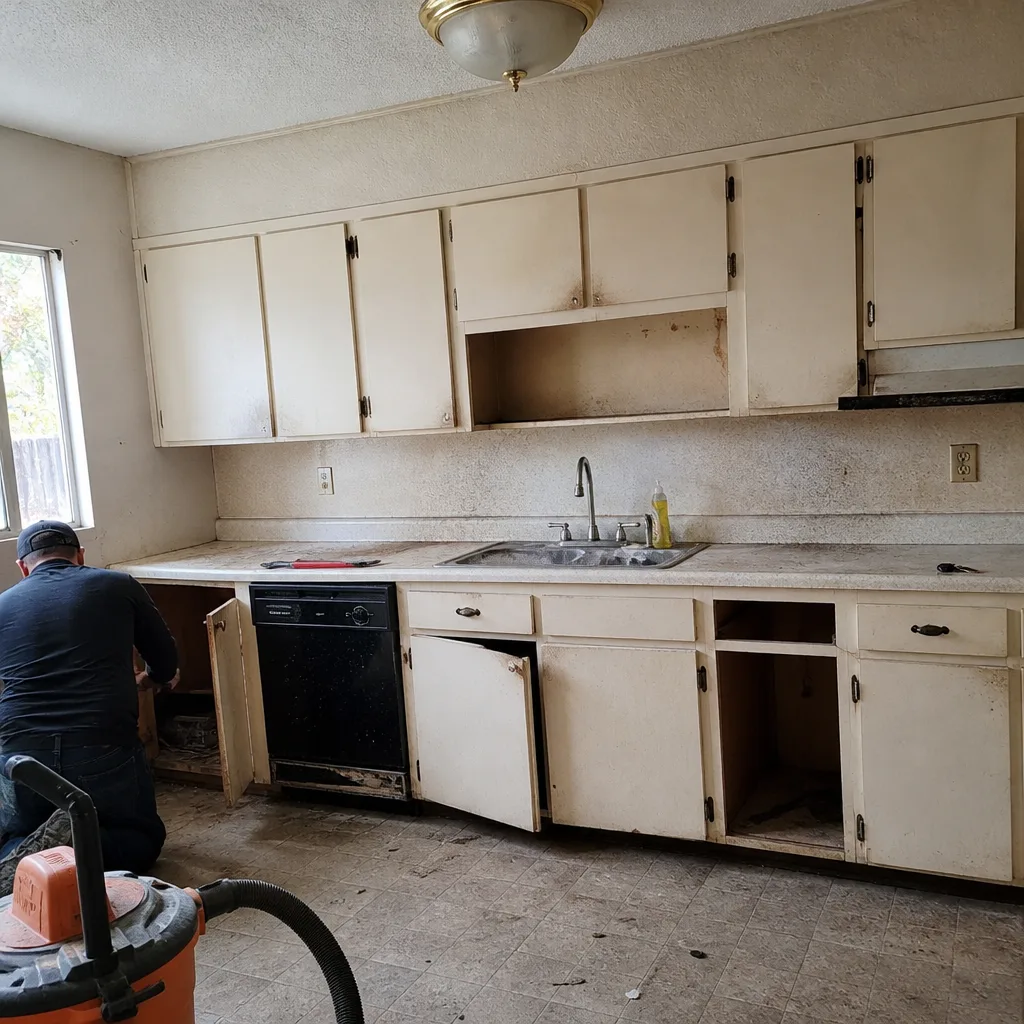
See the difference
 Before
 After
 Before
 After
 Before
 After
When to Call a Professional
Some projects you can manage yourself, and some you can’t. If your fence line runs on a hillside lot in Summerlin, crosses a recorded easement, or involves a block wall over the height that requires a stamped drawing, get a professional involved before you buy materials. The same goes for exposed perimeter lots in North Las Vegas where wind-load footings need to be sized correctly – that’s engineering judgment, not a catalog decision. And if you’ve been through an HOA denial or rebuild, the paperwork is worth having someone review before you spend a second time.
Rowan Construction Group Las Vegas offers free estimates in Las Vegas – call (833) 467-9123. You’ll get a written price before anyone starts, along with a documented photo record of the site and a written scope. If you’re weighing several paths, bring a competitor’s written estimate and we’ll review it line by line at no cost through our Free Second Opinion. It’s part of the Haven Standard, not a sales maneuver. For the full branch of services, see Rowan Construction Group Las Vegas home.
Frequently Asked Questions
Fence installation in Las Vegas typically runs $30 to $75 per linear foot installed, depending on material, height, and site exposure, with CMU block walls reaching $55 to $110 per linear foot. A typical 100- to 150-foot residential fence line lands between $5,000 and $12,000 all in, including the permit and any required engineer review. Call (833) 467-9123 for an exact quote – estimates are free and delivered in writing.
Yes, in most cases. Clark County, the City of Las Vegas, and Henderson each require a building permit for residential fences above specified heights and for any fence type requiring engineered wind anchorage. Heights are regulated by zone, and CMU block walls beyond the local cap typically require a stamped engineer’s drawing. The first step is confirming which jurisdiction has permit authority over your parcel, not which city your mailing address uses. Confirm the specifics for your lot before ordering materials.
Yes, and they often do. HOAs in Las Vegas master-planned communities enforce architectural rules under their CC&Rs that can be stricter than county code, and an approval from the building department gives your HOA no obligation to allow the fence. Height caps, approved material lists, and color palettes are the usual sources of conflict. Get written HOA approval before you order any material.
Aluminum ornamental fences with a quality powder coat hold their finish and color best in desert heat, followed by properly specified CMU block. Vinyl performs reasonably but will shift tone on south and west exposures over the years, and wrought iron needs periodic touch-up at the weld joints and ground line. Match the material to the run and exposure, not to the catalog photo.
Yes, Nevada law requires it, and in Las Vegas the stakes are higher than in most markets because of buried irrigation and HOA common-area utilities. Call 811 or submit a locate request at least two full business days before digging, and hand-dig near any markings. Private irrigation and landscape wiring may not be covered by 811 – ask your HOA about private lines before digging.
Not without a signed change order. Our written quote is a flat price with a written scope, and no change proceeds until you sign. That’s the discipline behind the Haven Standard and it’s what keeps projects within a few percent of the agreed cost. Call (833) 467-9123 to schedule your free estimate.
The Bottom Line
Fence installation in Las Vegas succeeds or fails on paperwork, not on the material catalog. Do the three checks first – HOA architectural approval, jurisdiction permit requirements, and setback and easement review – then call 811, then size footings to your wind exposure. Only then pick from aluminum, wrought iron, vinyl, or block. Budget $5,000 to $12,000 all in for a typical residential line, plus permit and any engineer stamp. Keep the drawings and approvals on file. The fence that survives a Las Vegas gust season is the one whose rules were settled before the first post went in. Call (833) 467-9123 for a free estimate on your lot.
Written by the team at Rowan Construction Group Las Vegas.