Last updated November 18, 2026
Free written scope consultation - allowances, timeline, and change-order rules on paper before a single trade is scheduled
The Complete Guide to Construction in Las Vegas
Clark County issued more than 47,000 building permits in a single recent year. Over that same stretch, the Nevada State Contractors Board logged thousands of complaints against licensed contractors. Both numbers are real, and the distance between them is the story: a permit proves someone filed paperwork, not that the work will survive a Las Vegas summer. Building here is its own discipline, shaped by caliche soil, two separate permit jurisdictions, and a desert climate that finds every shortcut. This guide maps the variables a Las Vegas homeowner should understand before signing anything, from foundation type to change orders, with numbers attached.
Quick Answer
Construction in Las Vegas is governed less by climate than by three local realities: a caliche hardpan layer that can force expensive foundation changes, two overlapping permit authorities (Clark County and the City of Las Vegas) that depend on your address, and material-failure risk from heat and UV that rewards specific product choices over generic ones. A well-run Las Vegas project starts with a written, line-item price and a signed change-order system, because projects without that discipline routinely finish 18 – 22% over their initial budget. Everything below explains how those pieces fit together.
Styles & brands we work with
- Kitchen remodeling
- Bathroom remodeling
- Home additions & ADU
- Roofing
- Windows & doors
- Driveway & pavers
- Fence
Table of Contents
- How Las Vegas Soil Changes Your Foundation
- Permit Jurisdictions: Clark County vs. City of Las Vegas
- Material Substitution and Nevada Law
- The Seven Trades: A Timeline Breakdown
- What a Documented Change Order Looks Like
- HVAC and Energy Load in Desert Construction
- How to Read a Las Vegas Construction Quote
- Common Mistakes to Avoid
How Las Vegas Soil Changes Your Foundation
Most of the Las Vegas Valley sits on caliche, a calcium carbonate hardpan that forms when mineral-laden water perches on a layer and evaporates, cementing the soil into something closer to low-grade rock. Caliche isn’t unique to Nevada, but its density here and its erratic depth are. A lot in Summerlin might hit a thin cap six inches down while a parcel in the southwest valley runs into eighteen inches or more. That matters because a standard trench footing can’t be dug through it without mechanical breaking, and the extra time and equipment show up on your invoice.
In practice, caliche pushes foundation decisions in two directions:
- Post-tension slab: The default for most Las Vegas single-family homes. Steel cables under tension let a thinner slab span soil that moves with moisture. Faster to place, but less tolerant of severe differential movement.
- Drilled pier and grade beam: Used when caliche is deep, soil is expansive, or the lot sits on fill. More excavation, higher cost, better performance on problem parcels.
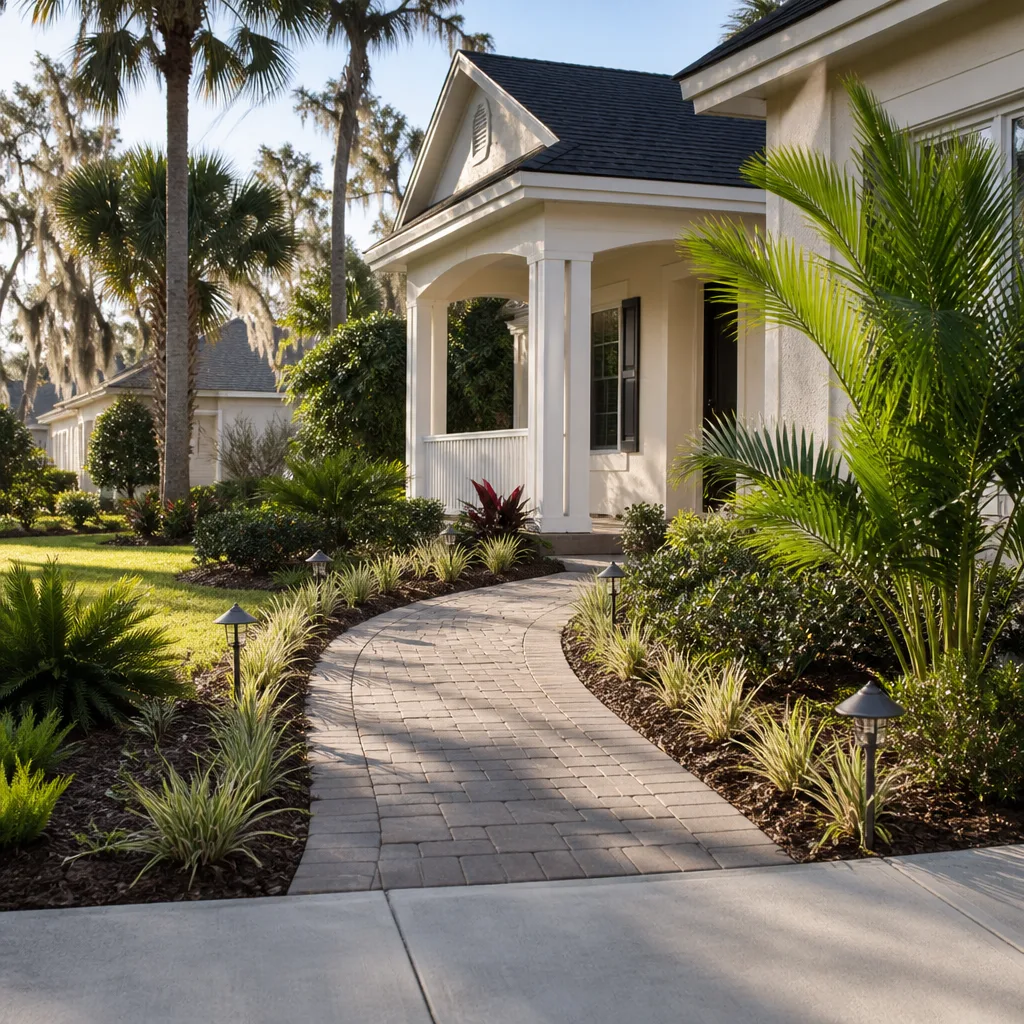
Caliche also affects drainage. It’s nearly impermeable, so water that would soak away elsewhere runs sideways. That’s why Las Vegas lots slope deliberately toward the street or a dry well, and why a paver or concrete driveway poured without accounting for it can pond after a monsoon storm. If you’re planning a hardscape, our guide to Driveway & Pavers in Las Vegas covers how base preparation handles caliche and slope.
A contractor who learned foundations in loam or clay will underbid caliche and try to make it up later. Ask, before signing, whether the soil on your lot has been probed or tested. Any number given without that step is a guess.
Permit Jurisdictions: Clark County vs. City of Las Vegas
Las Vegas is not one permitting authority. It’s several, and which one you file with depends entirely on your address. The City of Las Vegas handles properties inside city limits, including downtown, the Arts District, and neighborhoods like Huntridge. Clark County handles unincorporated areas, which include huge swaths of the valley: Enterprise, Spring Valley, Paradise, and much of the southwest. Then there are separate municipal building departments for Henderson and North Las Vegas.
The practical consequence is straightforward. Two houses a mile apart can file with different departments, follow different submittal checklists, and see different review timelines. Filing with the wrong one gets your application rejected, and you lose the weeks spent in the queue. Before any project, confirm your jurisdiction by address on the appropriate department’s website, not by what a neighbor told you.
A few things that catch owners out:
- Additions and ADUs almost always require full plan review, not an over-the-counter permit. Expect structural, energy, and site-plan sheets.
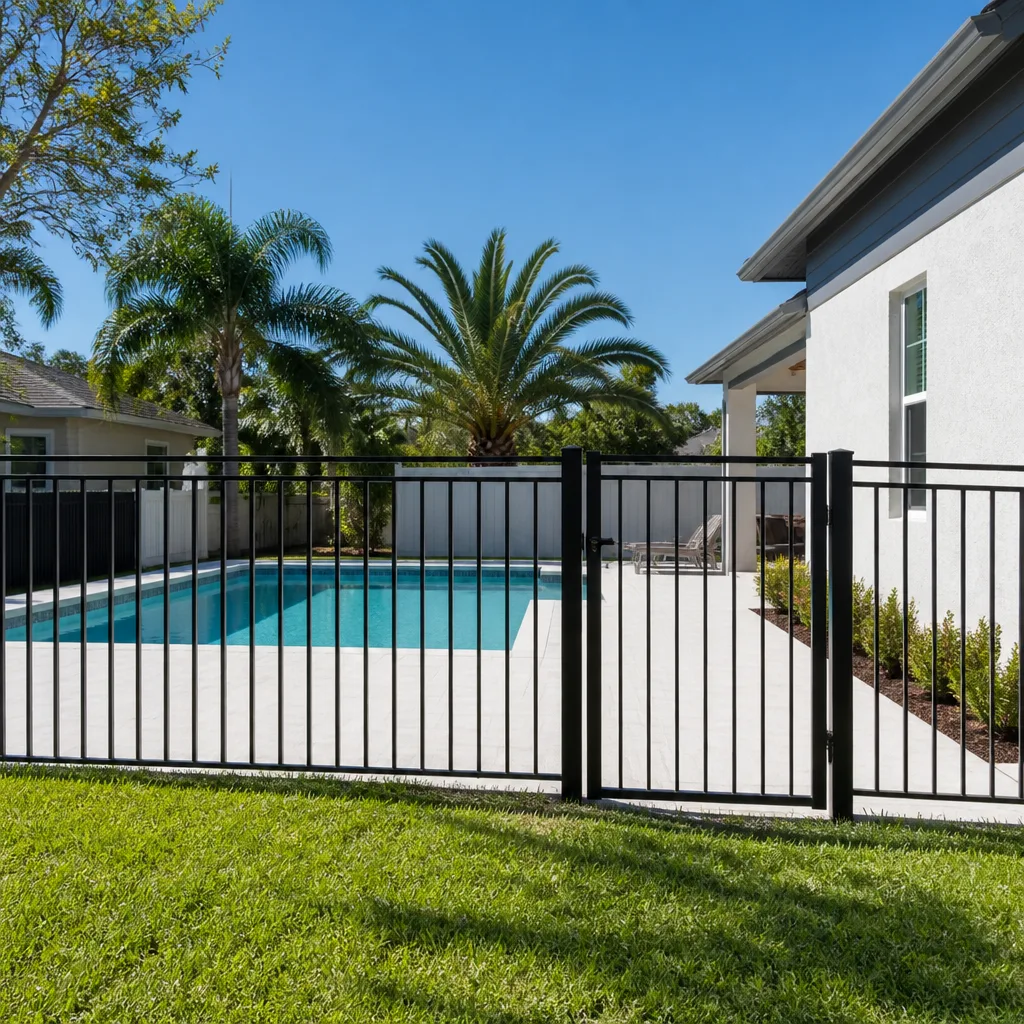
- Fences often need a permit or at least a height and setback check, particularly on corner lots. Height limits vary by jurisdiction and by whether the fence fronts a street.
- Roofing may be permitted as a re-roof with an affidavit, but the layer count and product specification still get recorded.
Permits aren’t paperwork theater. Inspections are the record that the work was done to code, and an unpermitted addition or ADU can complicate a sale or a refinance years later. If you’re adding living space, the Home Additions & ADU in Las Vegas page walks through the review sequence in more detail.
Material Substitution and Nevada Law
Nevada takes material substitution seriously. Under state contractor regulations, a contractor who substitutes a product for one specified in the contract without the owner’s written consent is exposed to a complaint and discipline. That’s the law’s plain intent: what’s written is what gets built. The rule exists because substitution is where quiet margin gets made, and where a homeowner’s roof ends up with a shingle line they never chose.
In a desert, substitution isn’t a cosmetic issue. The wrong product fails faster here than almost anywhere:
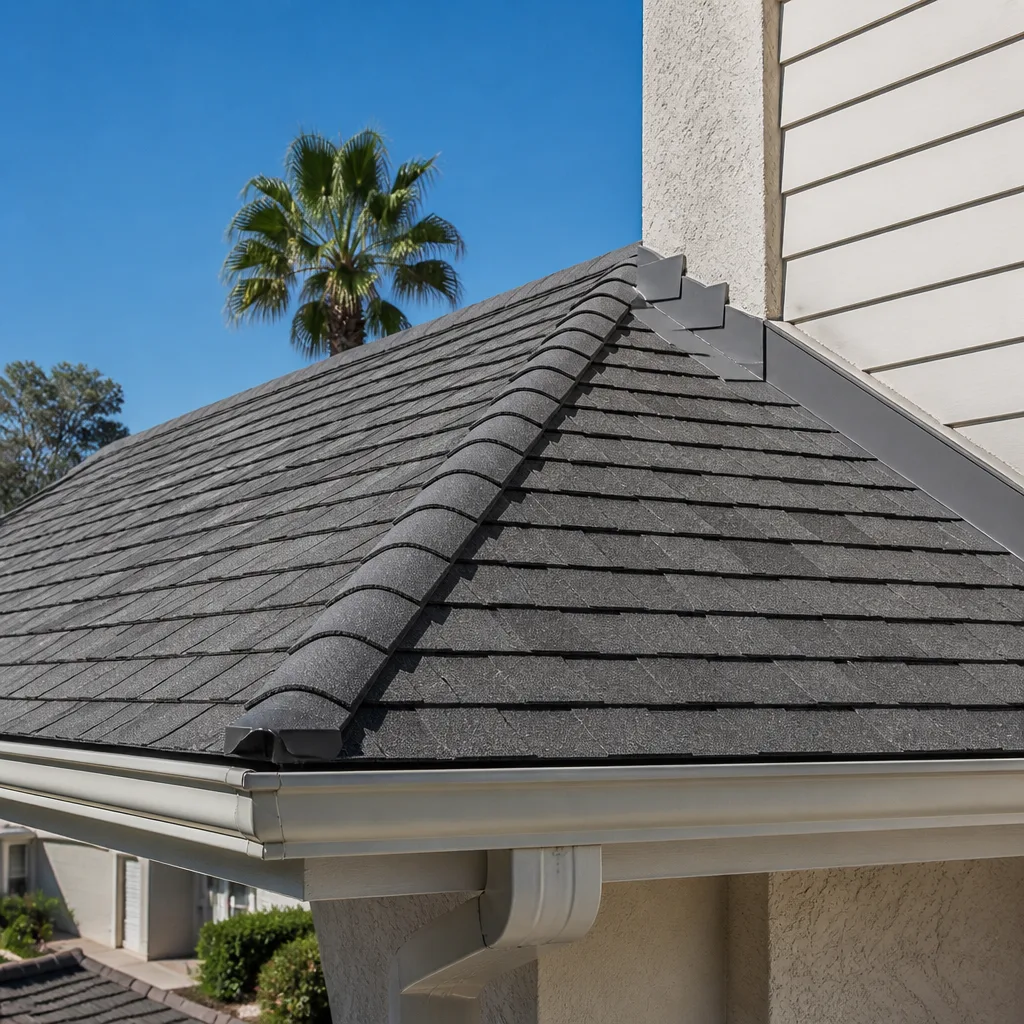
- Roofing: Asphalt shingles carry a reflected-heat and UV exposure that shortens their life in Las Vegas. Brand and product line matter, and so does the underlayment. GAF and Owens Corning lines are specified for a reason, and a swap to an unrated equivalent is not the same product.
- Windows: Low-E coatings and dual-pane construction aren’t upgrades in this climate; they’re load management. A builder who quietly installs single-pane units on a south-facing wall has changed your summer power bill.
- Countertops and cabinetry: A written quote naming Cambria or Caesarstone, KraftMaid or Wellborn, is a specific promise. If a substitution is proposed mid-project, get it in a signed change order with the price difference stated.
Our advice is simple. Read the product schedule in your contract, and if you can’t find one, ask for it. A quote that says “quartz countertops” without a brand is a placeholder. Sourcing depth across dozens of vetted brands is what lets a quote name numbers honestly instead of padding them to cover uncertainty.
The Seven Trades: A Timeline Breakdown
Timelines in Las Vegas are shaped by heat as much as by labor. Concrete cures differently at 105°F, crews start earlier in summer, and inspectors run on their own schedules. The sequence below reflects typical single-family work; a small bathroom runs on a compressed version of it.
- Site prep and excavation (3 – 7 days): Demolition, grading, and caliche breaking. Hardpan can double the excavation time.
- Foundation and concrete (5 – 10 days): Forming, rebar or post-tension cable layout, inspection, pour, and cure. Concrete placed in July needs moisture management to avoid plastic shrinkage cracks.
- Framing (7 – 14 days): Wall and roof framing, sheathing, and the framing inspection. Long spans in open-plan layouts may require engineered beams.
- Electrical rough-in (3 – 6 days): Wiring, panel work, and the rough inspection. Adding a circuit or a subpanel is a licensed electrician’s job; panels are dangerous and we don’t recommend opening one yourself.
- Plumbing rough-in (3 – 6 days): Supply and drain lines, pressure test, inspection. Gas line work falls under the same caution: it’s a licensed trade for good reason.
- HVAC (4 – 8 days): Ductwork, equipment sizing, and the load calculation that determines whether your system actually cools the space. Undersized equipment is the most common comfort complaint in Las Vegas homes.
- Roofing (3 – 6 days): Underlayment, flashing, and finish. Heat and wind uplift both factor into specification.
- Finish work (10 – 21 days): Drywall, cabinetry, countertops, tile, paint, fixtures, and final inspections. This stage absorbs the most schedule risk because it depends on material lead times.
Build those numbers into a realistic calendar. A whole-home addition in Las Vegas commonly runs four to seven months from permit to final inspection; a kitchen remodel runs six to ten weeks once materials are on site. Anyone promising less deserves a harder look at their schedule.
What a Documented Change Order Looks Like
Industry cost data is consistent on this point: projects run without a documented change-order process tend to finish 18 – 22% over their initial budget. The overrun rarely comes from one dramatic surprise. It comes from a dozen small verbal agreements (“we’ll just add that while we’re in there”) that never got priced and never got approved.
A real change order is a one-page document that states four things:
- The specific scope change, in plain language (“add a 4-foot window on the east wall of the addition”).
- The dollar amount added or removed, with the line-item cost.
- The schedule impact in days.
- Two signatures: the owner’s and the contractor’s, dated.
No work proceeds on a change until it’s signed. That single rule is the difference between a project that tracks its budget and one that drifts. We’ve watched it work across thousands of jobs: the written price holds because the process makes every change visible before it’s built.
Pair the change-order system with a documented record of what happened on site. On every visit, a photo log should show what was found (the condition of the substrate, the shingle layer count, the state of the tile membrane) and what was done. That evidence protects both sides. When it’s included as standard rather than sold as an upgrade, it tells you something about how the contractor thinks.
HVAC and Energy Load in Desert Construction
Las Vegas summers push mechanical systems harder than most of the country, and the building envelope decides how much of that load reaches your equipment. A few specifications do most of the work:
- Window performance: Low-E, dual-pane, and solar-oriented placement on west and south elevations cut cooling demand measurably.
- Attic insulation and radiant barrier: Attic temperatures in July can exceed 150°F. A radiant barrier and proper R-value keep that heat out of the living space.
- Duct sealing: Leaky ducts in a hot attic lose cooled air before it reaches the room. Sealing is cheap; losing a fifth of your cooling isn’t.
- Equipment sizing: A manual load calculation, not a rule of thumb, determines tonnage. Oversized units short-cycle and don’t dehumidify; undersized units run constantly.
This is genuine engineering, not marketing. If a contractor sizes your system by square footage alone, ask for the load calculation. The numbers should be written down.
How to Read a Las Vegas Construction Quote
A quote you can compare has the same elements every time. Here’s what to look for, and what should make you ask questions:
- Line items, not a lump sum. Each trade should carry its own price so you can see where the money goes.
- Named products. Brand and product line, not just category (“quartz” isn’t a spec; “Cambria” is).
- Permits stated separately. Who pulls them, who pays the fees, and which jurisdiction.
- Contingency language. Caliche breaking, hidden water damage, and structural surprises should be priced as allowances with a stated per-unit cost, not left open.
- A written warranty. Scope and duration on paper, with terms you can read.
- What happens if conditions change. The change-order process should be described in the contract, not discovered mid-job.
Flat written pricing before work starts, on every trade, is the standard we hold ourselves to. It also makes reviewing someone else’s estimate easy: bring a competitor’s written quote and we’ll go through it line by line at no charge. That second opinion is a standard offer, not a sales tactic.
Common Mistakes to Avoid
- Filing with the wrong permit authority. Confirm whether your address falls under the City of Las Vegas or Clark County before submitting. A rejected application costs weeks.
- Accepting a verbal material substitution. Nevada rules expect written owner consent for substitutions. Get it signed, with the price difference stated.
- Assuming caliche won’t affect your lot. Hardpan depth varies block to block. A quote without soil investigation carries risk you’ll pay for later.
- Skipping the load calculation on HVAC. Sizing by square footage alone is a recipe for a system that never feels right in July.
- Letting changes happen without paperwork. Every verbal “while we’re in there” is how a budget drifts 18 – 22% above target.
- Choosing a fence height without checking setbacks. Corner lots and street-facing runs have limits that vary by jurisdiction. Check before materials arrive. Our Fence Installation in Las Vegas page covers the local rules.
- Hiring on enthusiasm instead of evidence. Ask for the written price, the product schedule, the change-order process, and the photo record. What gets produced on request matters more than what gets said.
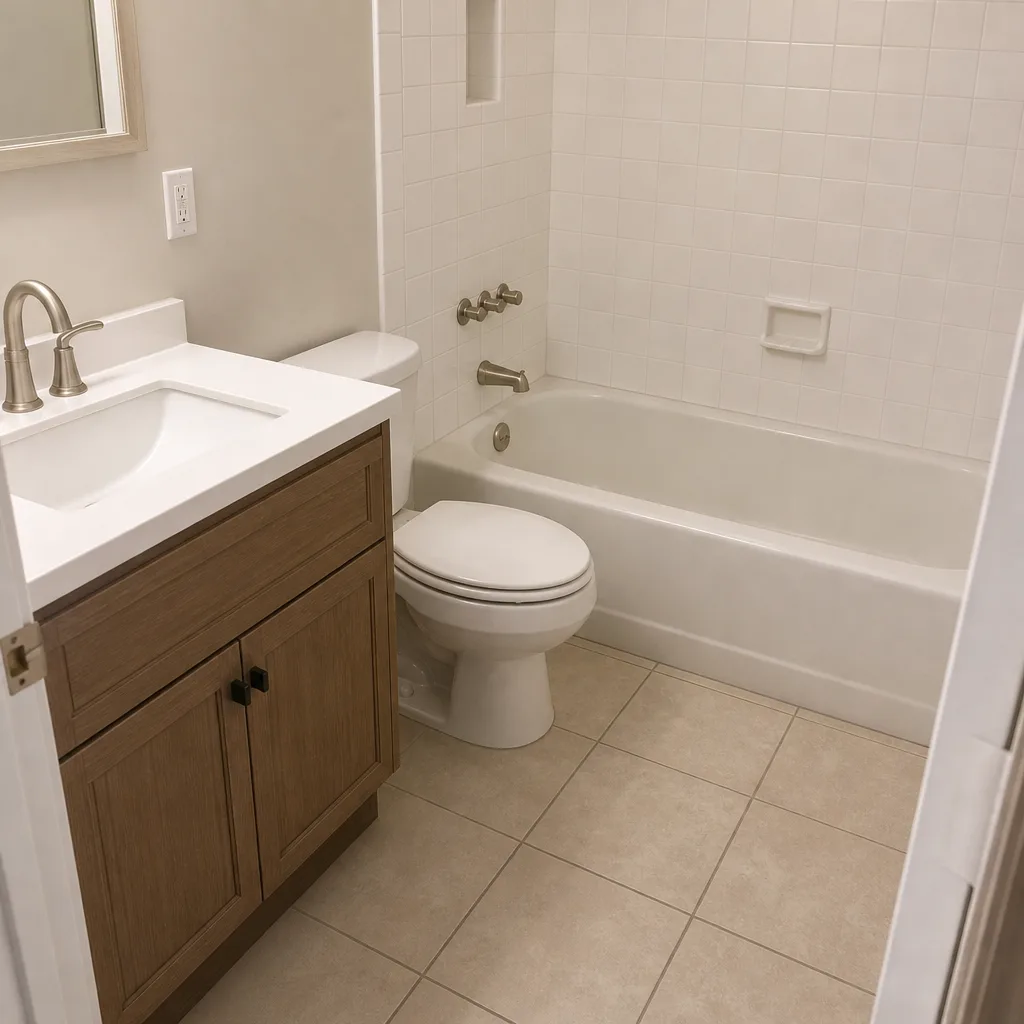
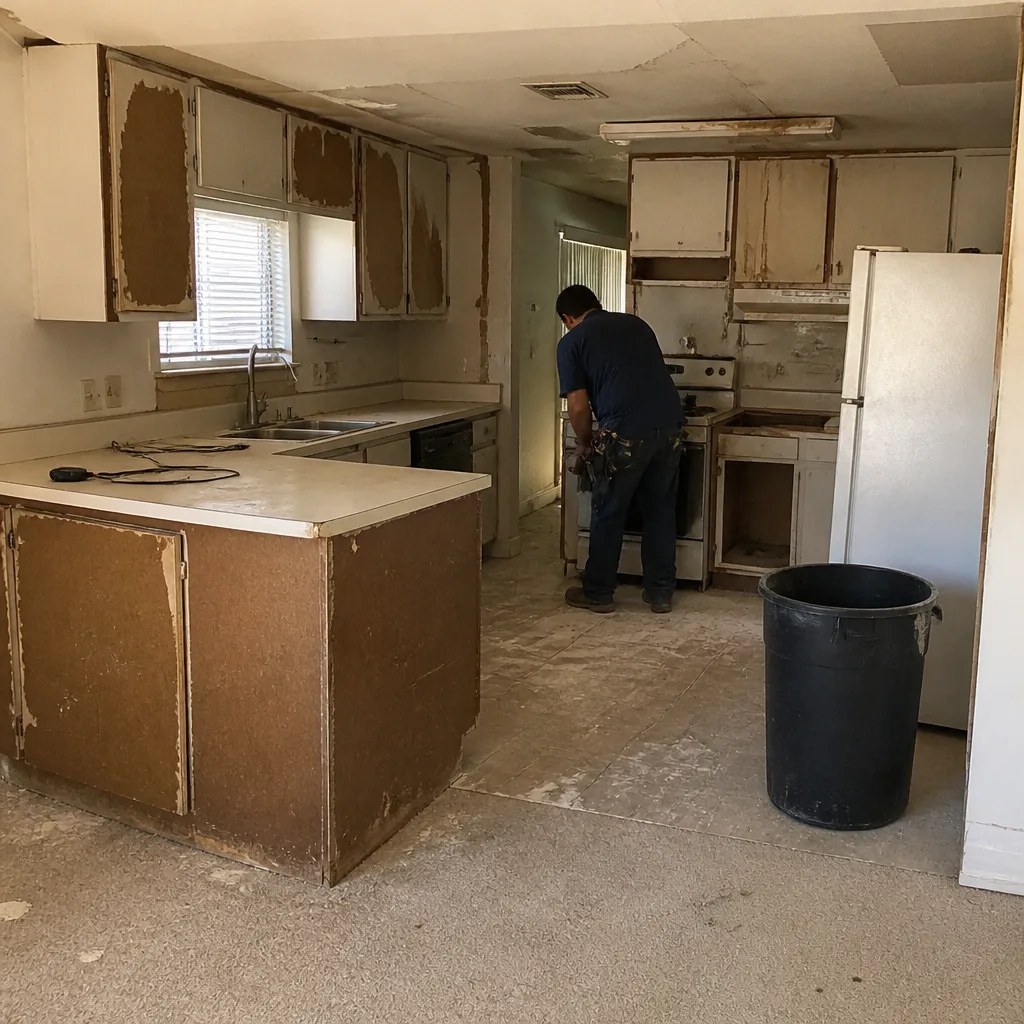
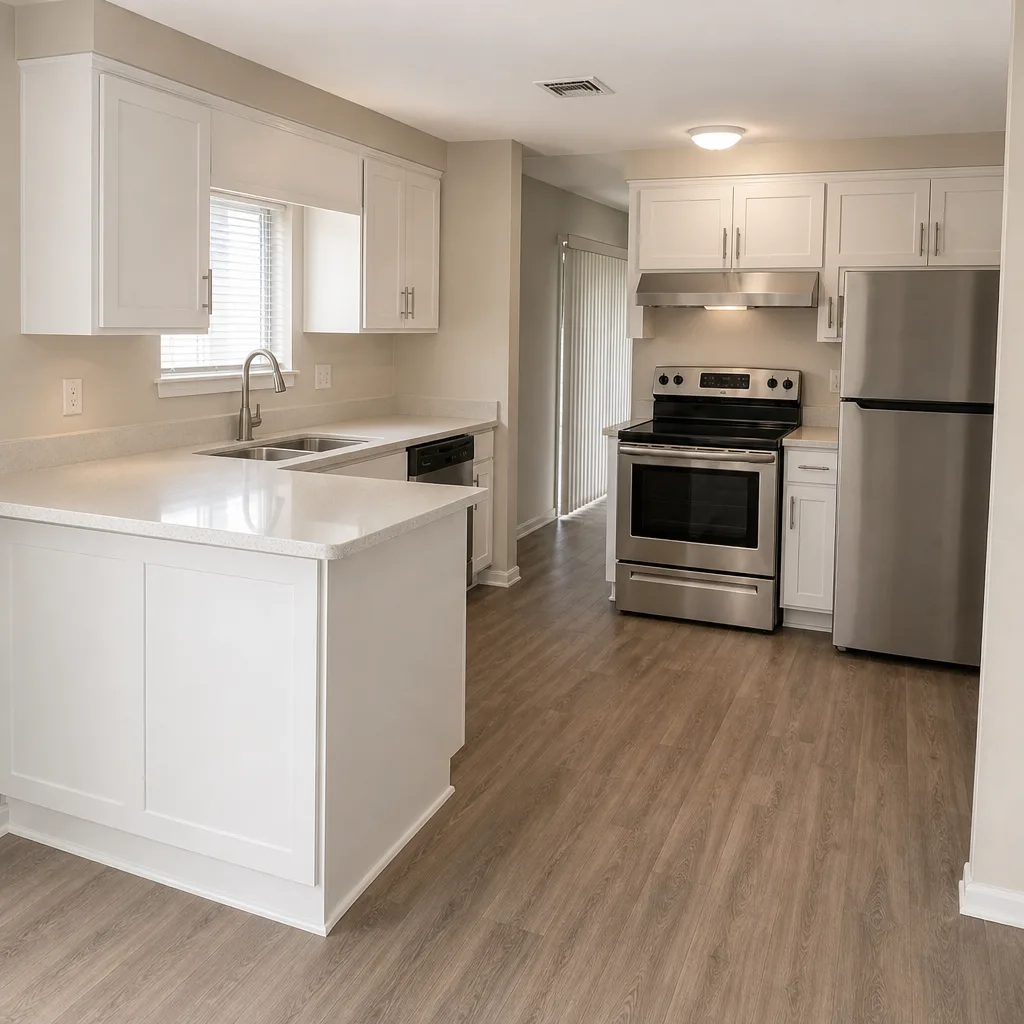
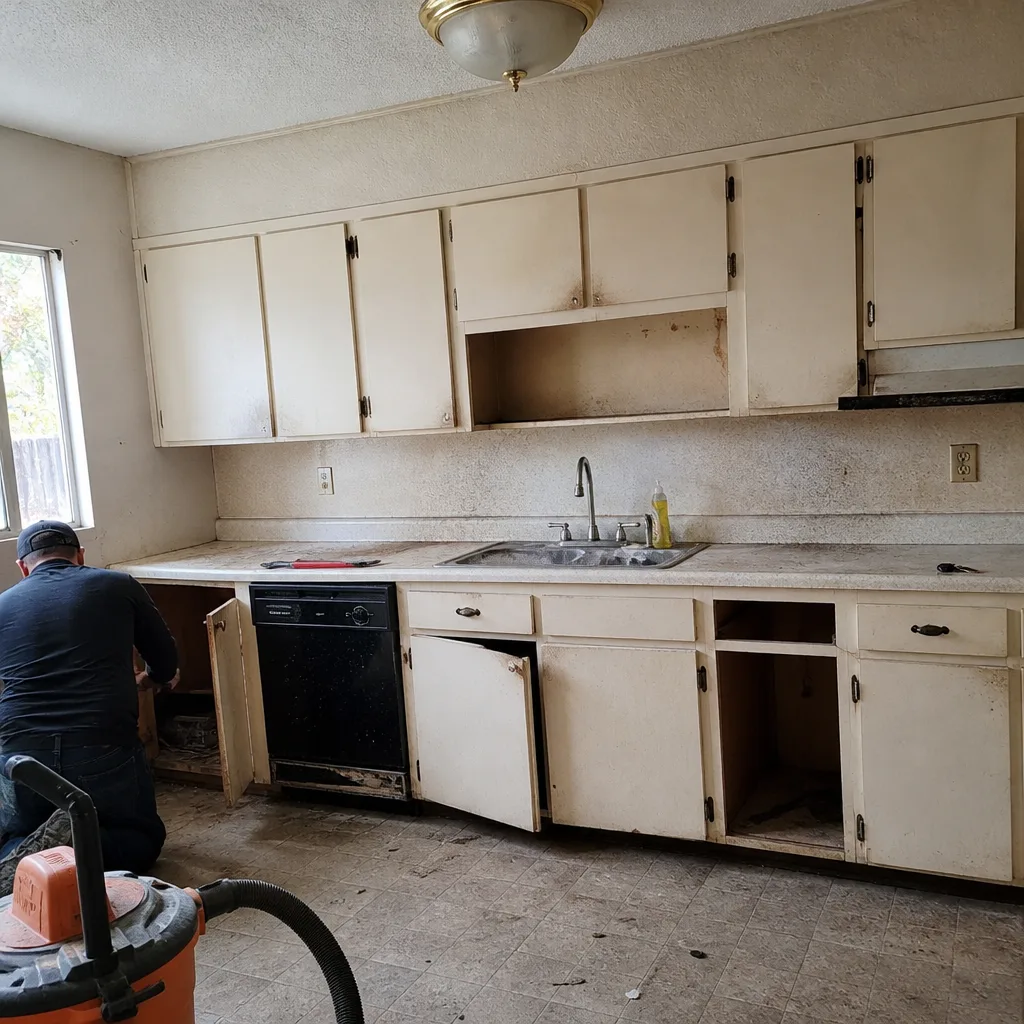
See the difference
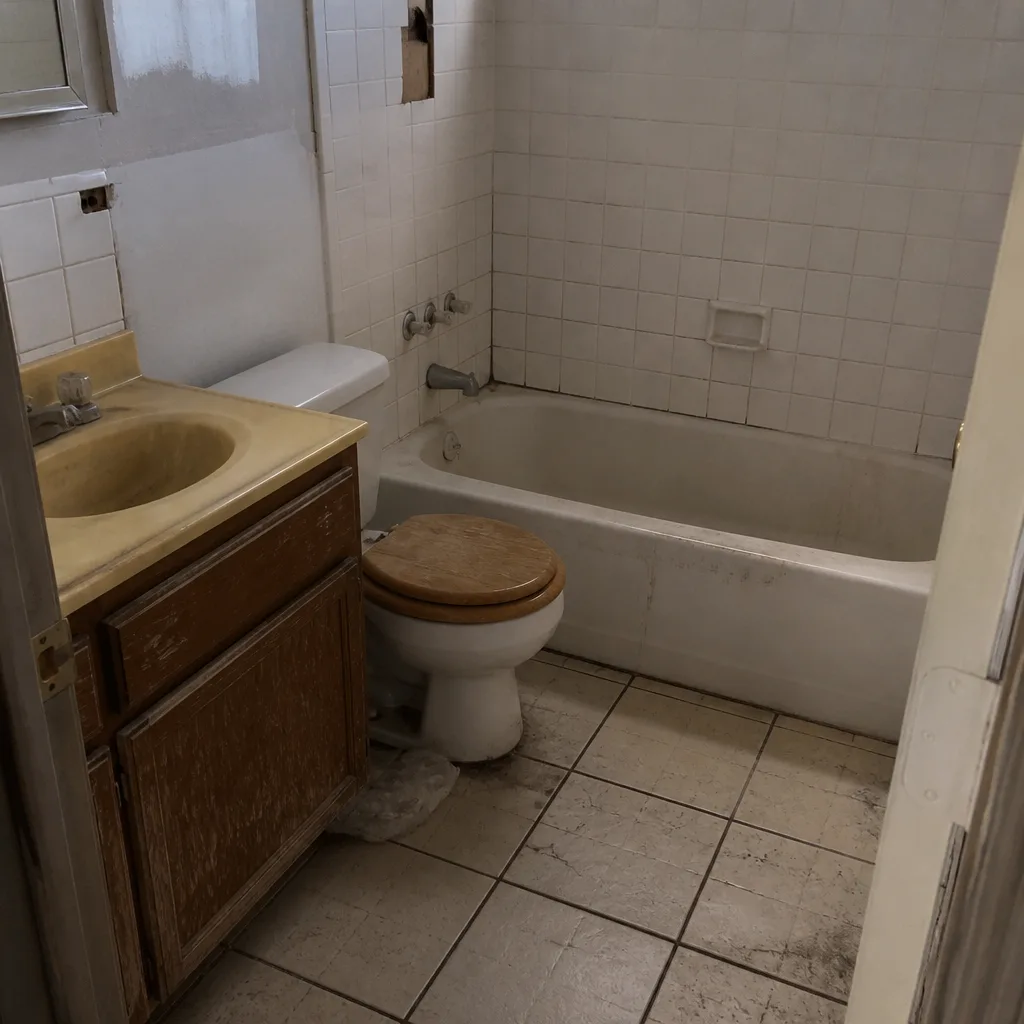 Before
 After
 Before
 After
 Before
 After
When to Call a Professional
Some work is plainly a professional’s job. Foundation and structural work, electrical panels and new circuits, gas lines, and anything requiring a permit and inspection all belong with a licensed trade. Two more scenarios warrant a call rather than a weekend project: any addition or ADU, because plan review, energy compliance, and inspection sequencing are unforgiving; and any remodel where walls come out, because what’s inside a 1980s Las Vegas wall isn’t always what the drawing shows. Where framing, roofing, and finish work overlap, coordination is where amateurs lose time. A written scope and a documented process turn that coordination into a schedule instead of a guess. Rowan Construction Group Las Vegas offers free estimates in Las Vegas, with a flat written price before any work starts. Call (833) 467-9123 to schedule yours.
Frequently Asked Questions
Most structural, electrical, plumbing, and mechanical work requires a permit in Las Vegas, while cosmetic work like paint and flooring typically doesn’t. Your address determines whether you file with the City of Las Vegas or Clark County. When in doubt, ask the department responsible for your parcel before work begins. Call (833) 467-9123 for a free estimate that states who pulls the permits.
Caliche breaking typically adds a few thousand dollars to a foundation budget, depending on hardpan depth and the equipment needed. Because depth varies lot to lot, no honest number exists without probing the soil. Ask for an allowance with a stated per-unit cost rather than a guess. Call (833) 467-9123 for a written estimate on your lot.
Not without a signed change order. A well-run project prices changes in writing before the work happens, which is why the discipline keeps budgets within a few percent of the agreed number. If a contractor can’t describe their change-order process, that’s your warning sign. Call (833) 467-9123 to see the process in a free written quote.
A home addition in Las Vegas commonly takes four to seven months from permit to final inspection, and an ADU often runs longer because of plan review and utility coordination. Schedule risk lives mostly in material lead times and inspection queues, not in framing. Call (833) 467-9123 to put a written timeline next to a written price.
Products rated for high UV and reflected-heat exposure perform best, and the underlayment matters as much as the shingle line. Named GAF and Owens Corning systems are specified for a reason, and an unrated equivalent is not the same roof. Call (833) 467-9123 for a free estimate on a re-roof with named materials.
Often yes, and at minimum your fence must meet height and setback rules that vary by jurisdiction and lot type. Corner lots and street-facing runs get extra scrutiny. Confirm the rules for your address before you buy materials. Call (833) 467-9123 for a free estimate that covers permits and setbacks.
The Bottom Line

Construction in Las Vegas rewards the owner who asks for evidence. Caliche changes foundation cost, so probe the soil. Two permit authorities mean your address decides the paperwork, so confirm your jurisdiction. Nevada’s substitution rules mean the product schedule is part of the contract, so read it. And the 18 – 22% overrun typical of undocumented projects disappears with a signed change order in front of every change. None of this is exotic; it’s just written down. Start at the Rowan Construction Group Las Vegas home page, or call (833) 467-9123 for a free written estimate before anything gets built.
Written by the team at Rowan Construction Group Las Vegas.