Last updated November 18, 2026
Free written scope consultation - allowances, timeline, and change-order rules on paper before a single trade is scheduled
DIY vs Professional Driveway & Pavers: What’s Safe to Do Yourself
You can lay a paver correctly. The trouble starts six inches lower. A paver driveway only performs if the base beneath it is compacted in lifts with a machine that produces enough centrifugal force to actually densify the soil – and here’s the part most homeowners never hear: the plate compactor you rent at the home center typically generates around 1,800 lbs of force, while the base requirements for Las Vegas soils call for a machine pushing at least 3,500 lbs, run in multiple passes. That gap is the whole conversation about DIY versus professional pavers. This guide walks through exactly which tasks are safe to self-perform, which void manufacturer warranties when skipped by a licensed contractor, what Clark County requires on driveways, and real Las Vegas cost ranges so you can see the math clearly.
Quick Answer
A homeowner can safely handle layout, pattern setting, paver cutting with a rented splitter, and joint sand sweeping. The base work – excavation, subgrade prep, and multi-pass compaction to the right density – is where DIY pavers fail, because rental-grade compactors can’t hit the compaction thresholds long drives require, and because unverified base compaction typically voids the manufacturer’s warranty on the pavers themselves. On anything beyond roughly 400 square feet in Las Vegas, the DIY savings usually get eaten by premature settling and rework within a few years.
Styles & brands we work with
- Kitchen remodeling
- Bathroom remodeling
- Home additions & ADU
- Roofing
- Windows & doors
- Driveway & pavers
- Fence
Table of Contents
- The Equipment Threshold That Decides Everything
- What’s Actually Safe to Do Yourself
- What Voids the Manufacturer Warranty
- Clark County Permit Requirements for Paver Driveways
- Full Cost Comparison: DIY vs Labor-Only vs Turnkey
- Why the Base Matters More Than the Pavers in Las Vegas
- Common Mistakes to Avoid
- Frequently Asked Questions
The Equipment Threshold That Decides Everything
Paver installation is often framed as a skill question. It’s an equipment question first. A paver driveway in Las Vegas sits on a compacted base course – typically crushed aggregate – that has to reach a specified density. Density comes from compaction energy, and compaction energy comes from the machine. Rental plate compactors, the walk-behind units at most equipment yards, generate around 1,800 to 2,200 lbs of centrifugal force. Reversible production models that the trade uses on residential driveways produce 3,500 to 6,000 lbs. That difference is not incremental. It’s the difference between a base that holds and a base that settles.
For drives longer than 400 square feet, the passes needed to hit compacted density on a rental unit climb past the point where the machine’s own productivity makes sense. You end up running six, eight, ten passes and still questioning the result. The production machine does it in three.
What this means in dollars
- Rental plate compactor (1,800-2,200 lbs): roughly $70-$120 per day at Las Vegas rental yards; a 40×20 driveway can stretch the rental to a week or more with multiple passes.
- Production compactor (3,500+ lbs): not typically available to homeowners at consumer rental rates, and often gated behind commercial accounts.
- Plate compactor + water truck + plate tamper + laser level: the full DIY equipment kit runs $400-$900 in rental for a project of this size, before you buy a single paver.
The base isn’t just aggregate. It’s lift thickness (typically 4 inches max per lift), moisture content during compaction, and pass count. Those are the variables a professional crew tracks as a matter of routine and a first-time homeowner rarely does. This is the same reasoning that shows up in our Driveway & Pavers in Las Vegas work: the base takes longer than the pavers, every time.
What’s Actually Safe to Do Yourself
Several parts of a paver driveway are absolutely within reach for a careful homeowner. Doing these yourself is real money against the labor side of the quote, and the risk of an outcome the manufacturer won’t honor is low. Here’s the breakdown, with realistic time estimates per 100 square feet.
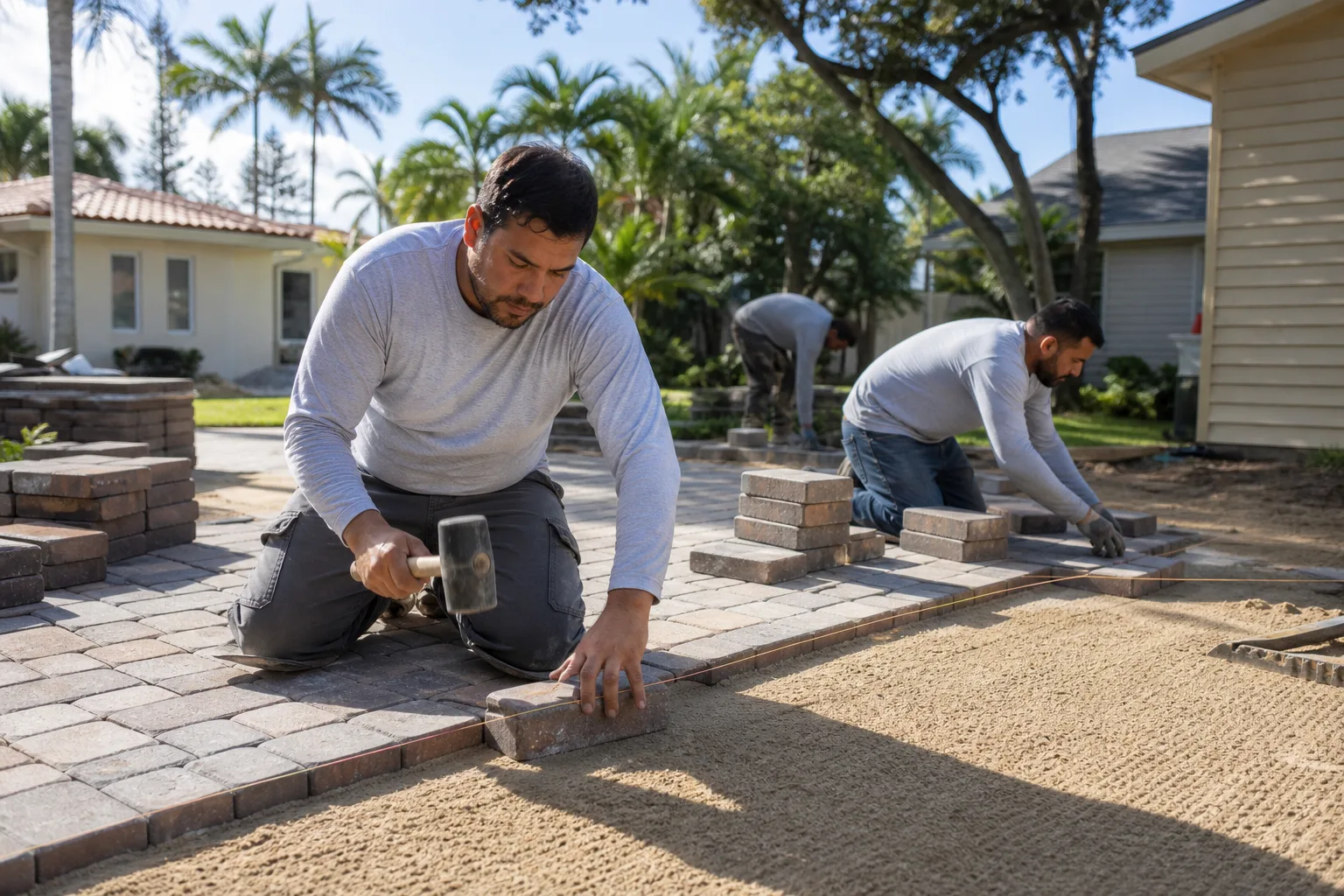
- Pattern layout and string lines – 1 to 2 hours per 100 sq ft. Setting string lines, chalk lines, and the running bond or herringbone pattern. This is measuring, not heavy work, and it’s the part of the job where a homeowner’s close attention usually shows in a tidy result.
- Paver cutting with a rented splitter – 1 to 2 hours per 100 sq ft, plus learning curve. A wet saw or a hydraulic splitter from a local rental yard handles edge cuts. Practice on scrap first. Cut edges are visible on the finished drive, so take your time.
- Joint sand sweeping and vibrating – 45 minutes to 1.5 hours per 100 sq ft. Polymeric sand or joint sand swept into the joints, then set with a hand tamper or a rental plate compactor set to a low setting so it seats the sand without disturbing the pattern. This is a finish step, not structural.
- Final inspection and clean-up. Checking the pattern, cleaning efflorescence (the white haze on new pavers), and staging.
That’s the honest DIY list. Note what isn’t on it: excavation, base install, edge restraint, and compaction. Those are the tasks that decide whether the drive lasts. Our Rowan Construction Group Las Vegas home page describes how we scope those steps in writing before anyone starts, and the reason is simple: it’s the part of the job a homeowner can’t eyeball at the end and confirm was done right.
What Voids the Manufacturer Warranty
Paver manufacturers – and this includes brands we work with regularly, like Belgard and Techo-Bloc – attach conditions to the warranty that start at the base. Specifically, three items typically need to be documented as performed by a licensed contractor when they matter for coverage.
- Base compaction certification. Manufacturers want to see that the subgrade and base course were compacted to a defined density. That means pass counts with a machine of a stated minimum force. A homeowner running a rental compactor has no documented verification; a licensed contractor does, because they’ll produce the record on request.
- Edge restraint installation on slopes over 2%. Las Vegas driveways are not always flat, and the grade matters. Edge restraint – the aluminum or plastic channel that locks the perimeter – has to be anchored per the slope. If it isn’t, the pavers spread and the manufacturer will decline a claim.
- Drainage and base thickness certification. The base course thickness and the drainage plane are specified by the manufacturer, and deviating from spec – even in good faith – is grounds for denial.
If the manufacturer can’t confirm the base was done to spec, the warranty on the pavers and the surface finish typically drops to what happens to the product in the box, not how it performs. That’s the real dollar risk on a DIY driveway in Las Vegas, and it’s not obvious until year three when a corner starts to sink.
Clark County Permit Requirements for Paver Driveways
Here’s a detail that rarely shows up on a DIY blog: Clark County treats a paver driveway that connects to the public right of way as a piece of site work that has to be built to a standard, and above a certain scale that means a licensed contractor’s signature on the application. The exact square footage threshold and the inspections the county requires are set by current code and can shift – so if you’re close to it, call the county or your contractor before you dig. What we can tell you is what the inspection covers when it’s triggered:
- Subgrade condition – proof the soil was prepared, not just raked.
- Base course thickness and compaction passes with the equipment force documented.
- Drainage slope away from the structure and toward the street or a designated runoff point.
- Edge restraint on the perimeter and on any grade over the threshold.
- Final paver installation and joint sand, verified against the approved plan.
Remodeling a kitchen is different from laying a driveway, but the discipline is the same: get the scope and the inspections on paper first. That’s what we describe on our Home Additions & ADU in Las Vegas page too, because both are site projects where an unverified step costs more to fix than to do right the first time.
Full Cost Comparison: DIY vs Labor-Only vs Turnkey
Numbers make the decision clear, so here’s what the three paths actually look like for a 20×30 paver driveway (600 sq ft) in Las Vegas. These are ranges, not quotes – every site is different – but they’re the honest spread for this market.
DIY (materials only)
- Pavers: $3.50-$7.50 per sq ft depending on type and brand.
- Base aggregate and sand: $0.75-$1.50 per sq ft delivered.
- Edge restraint and stakes: $0.60-$1.20 per sq ft.
- Rental equipment: $400-$900 total for a project at this size.
- Total materials + rentals: roughly $5.85-$11.10 per sq ft, before all the labor.
Labor-only contractor quote
- Installation labor: $6-$12 per sq ft in the Las Vegas market, depending on pattern complexity and access.
- The homeowner supplies the pavers; the base, compaction, edge, and install are done by the crew.
Full turnkey
- Everything, one flat written number: $11-$22 per sq ft for a residential driveway in Las Vegas, all-in.
- Written scope, written warranty, documented photo record, no change without a signed change order.
On the 600 sq ft drive, DIY materials-and-rentals lands around $3,500-$6,700, and that’s before a single man-hour. Turnkey lands around $6,600-$13,200. The gap between the two is smaller than most homeowners expect, and it doesn’t account for the base compaction warranty issue or the weekend count climbing into the double digits – a real thing in a Las Vegas summer. Our teams have up to 19 years of experience and we deliver a written price before any work starts, which means the number you see above is the number we commit to in writing. Bring a competitor’s quote and we’ll review it line by line at no charge.
Why the Base Matters More Than the Pavers in Las Vegas
Las Vegas soil is caliche-heavy and expands and contracts with heat and moisture in ways that punish a poorly compacted base. Summer surface temperatures push paver surfaces well past the ambient air number, and the thermal cycling a driveway sees over a single season is more aggressive than in most climates. The base is what absorbs that movement and keeps the pavers locked.
Six inches below the surface is where a Las Vegas paver driveway lives or dies. If the subgrade wasn’t proof-rolled and the base wasn’t compacted in proper lifts, you don’t see it at install – you see it in the second or third summer, when a wheel track develops ruts or a corner settles a half inch. Repairing that means lifting pavers, re-prepping the base, and re-installing. The pavers themselves are the salvageable part; the labor is the cost.
We see the same principle in our Fence Installation in Las Vegas work: the footing is what holds the fence, not the pickets. Anyone can install the visible layer. The part you can’t see is what determines whether the installation lasts.
Common Mistakes to Avoid
- Compacting the base with a rental unit running too few passes. Rental compactors at 1,800 lbs need far more passes than homeowners typically run; the result looks fine and settles within two summers.
- Skipping the proof roll on the subgrade. Proof rolling exposes soft spots before pavers go down; skipping it means finding them after.
- Installing on top of loose sand with no stabilizer in Las Vegas. The local soils and heat make an unstabilized bedding layer an invitation for paver movement.
- Starting a driveway over the permit threshold without a licensed contractor’s signature. The county inspection will catch it, and the fix is more expensive than the permit would have been.
- Letting a manufacturer-required compaction record go uncollected. If you can’t produce it when a claim comes up, the warranty may not apply.
- Cutting pavers without practicing on scrap first. Edge cuts are visible; a wavy perimeter looks like an amateur install no matter how clean the field is.
- Underestimating Summerlin or Henderson slope work. Grade over 2% triggers the edge restraint requirement, and doing it wrong means spread pavers at the perimeter.
See the difference
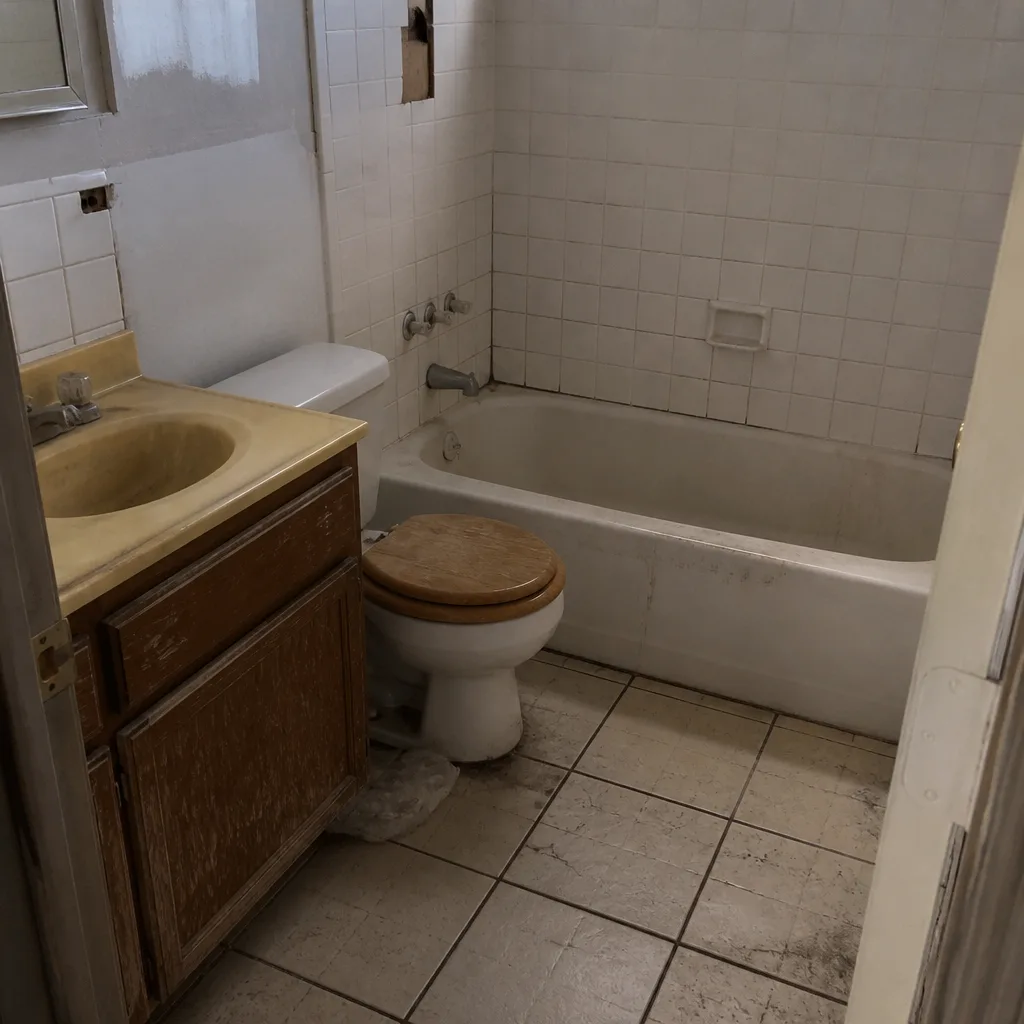 Before
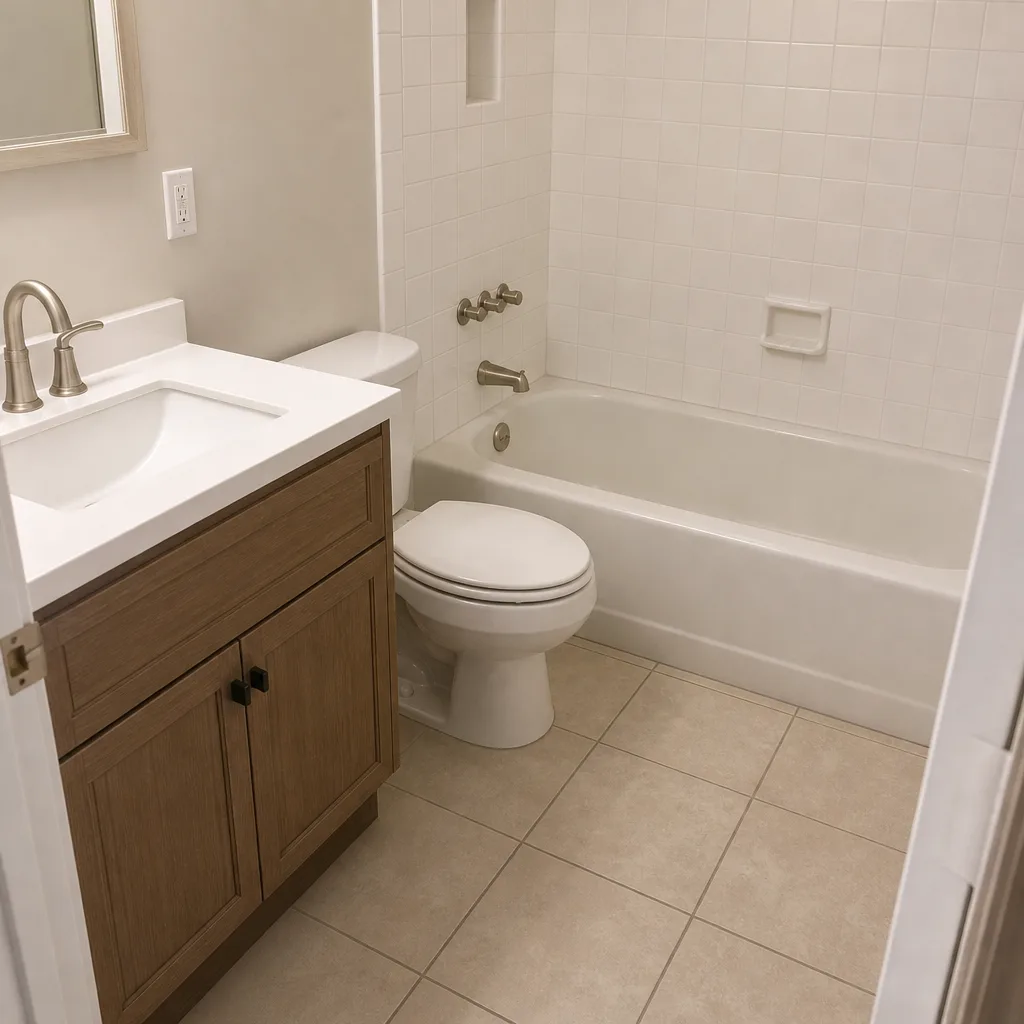 After
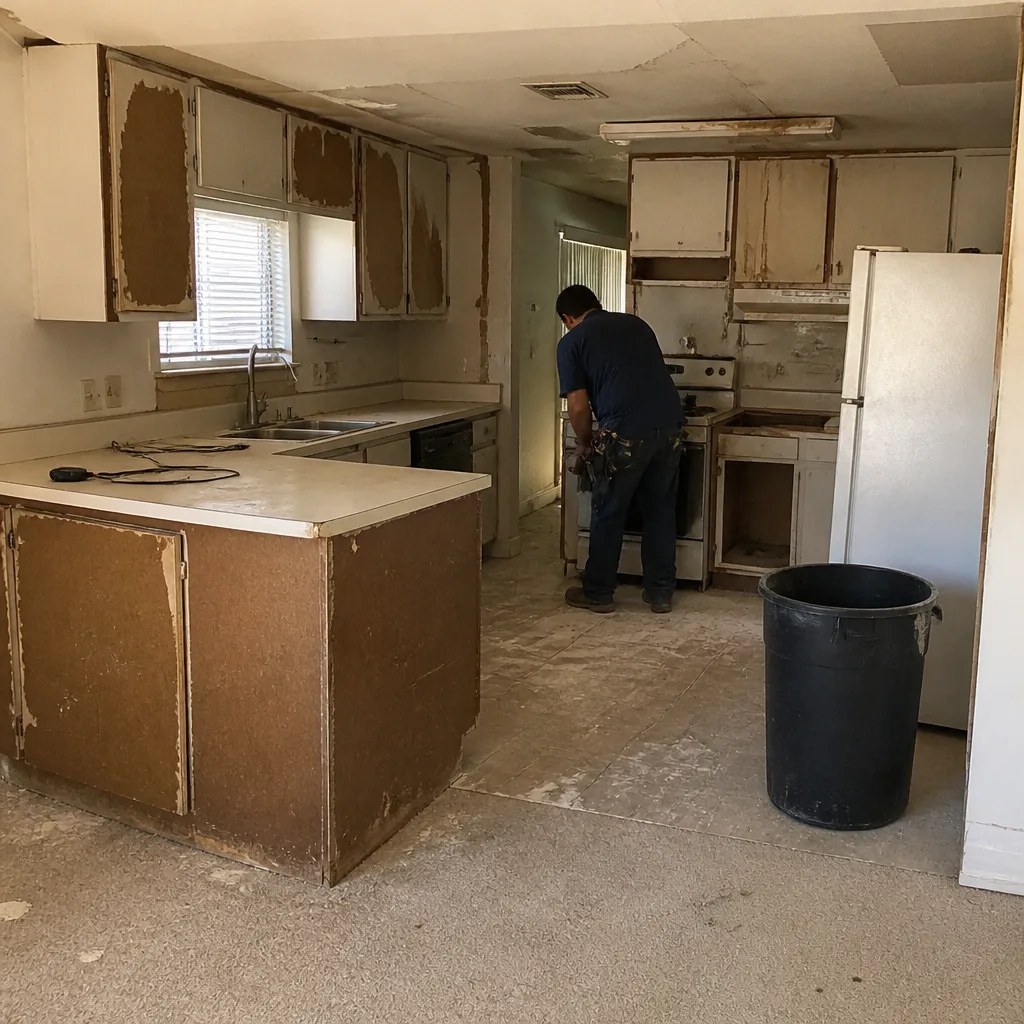 Before
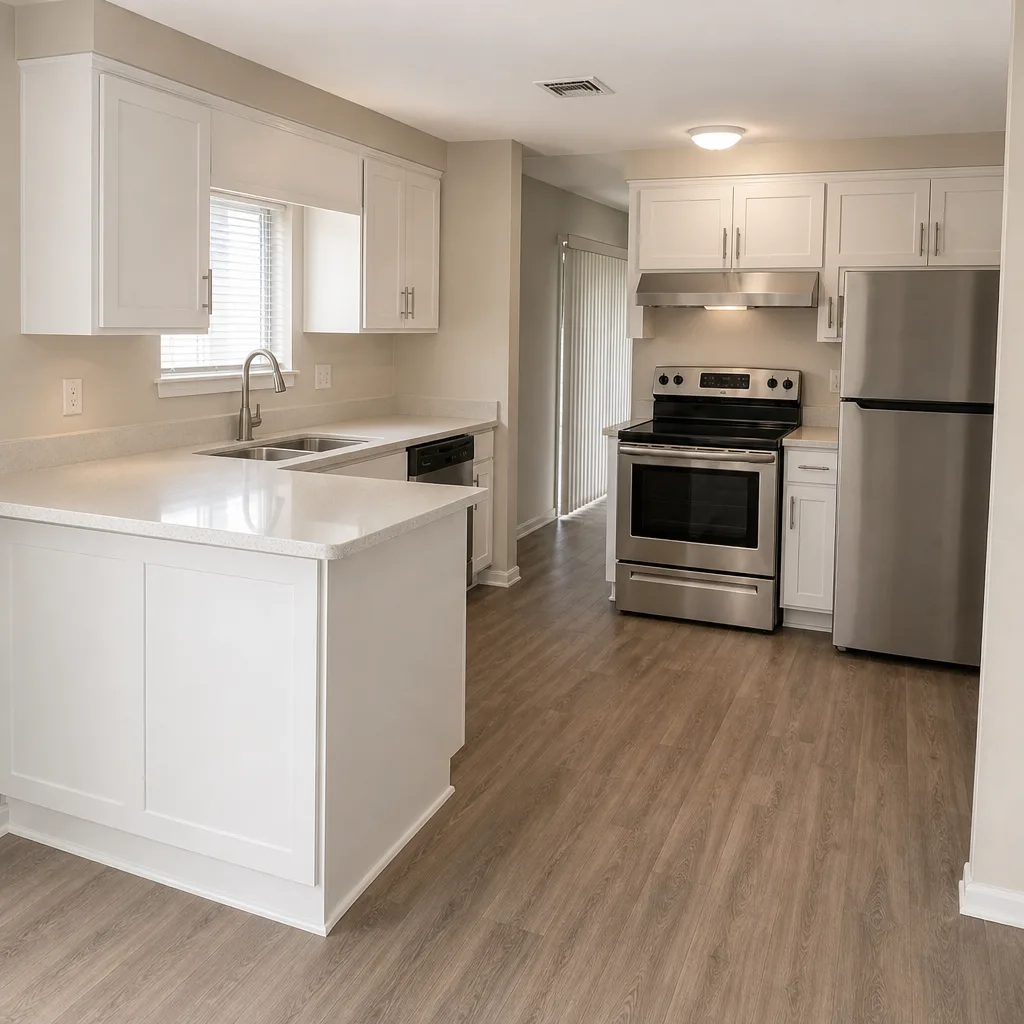 After
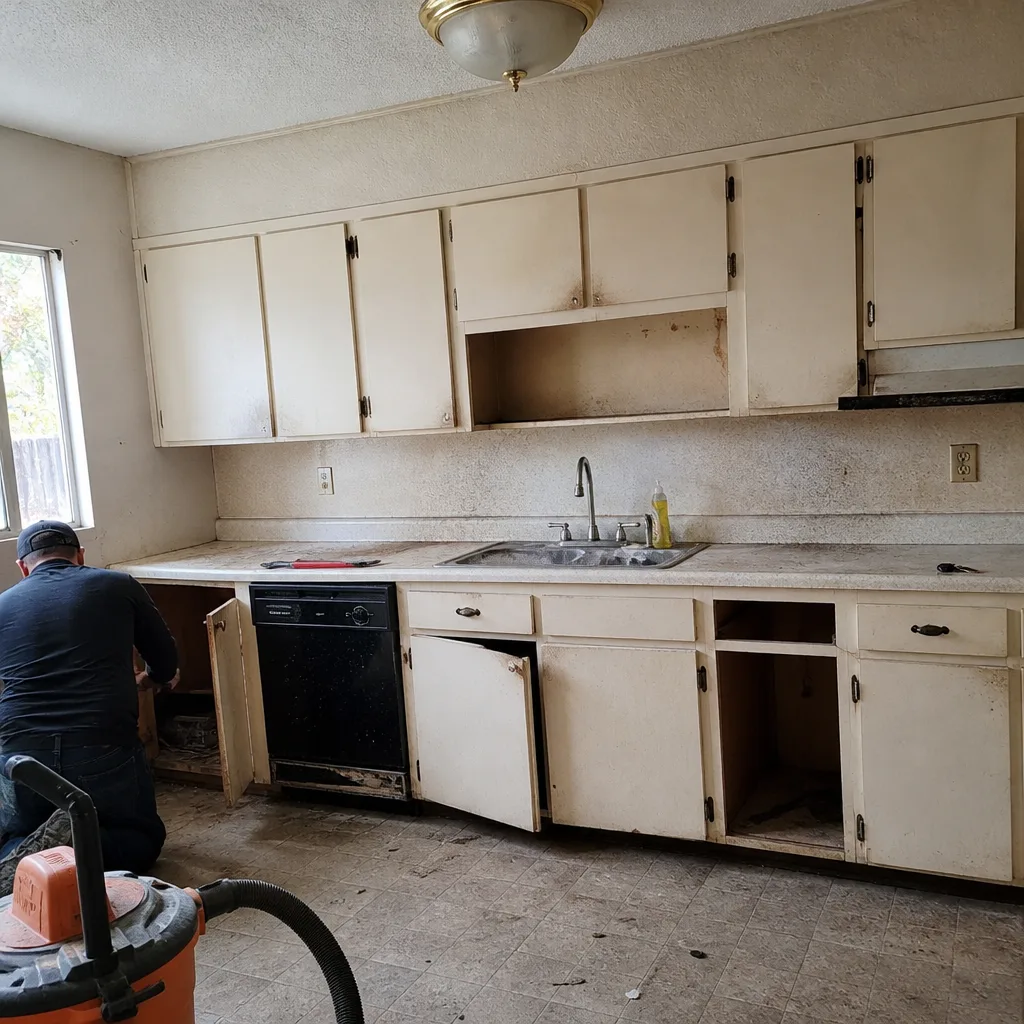 Before
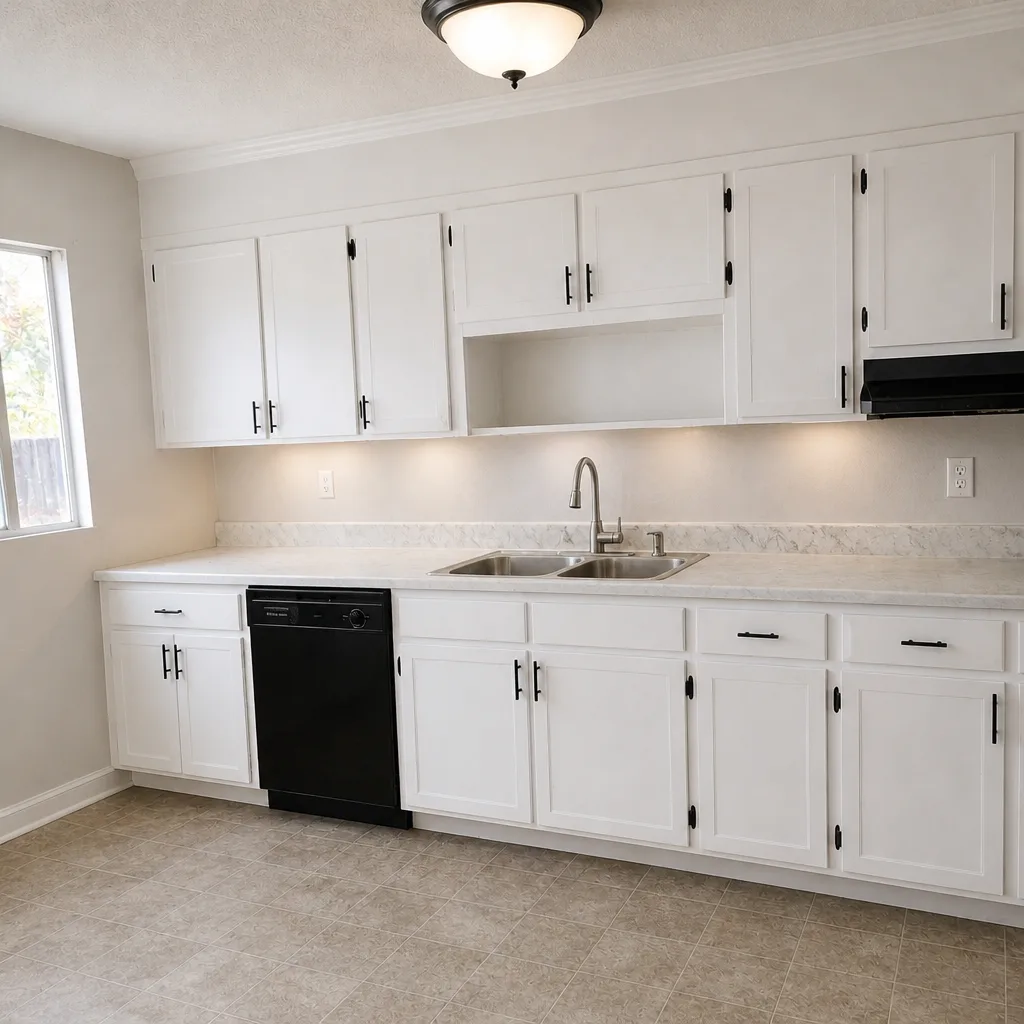 After
When to Call a Professional
Call a licensed paver contractor when any of these apply: the driveway is over 400 square feet; the grade exceeds 2% at the perimeter; the paver brand you chose requires documented base compaction for warranty; your project crosses the Clark County permit threshold; or you simply want the base done once, correctly, and the pavers to look right in year five. Those are the conditions where DIY savings don’t survive the rework. Rowan Construction Group Las Vegas offers free estimates in Las Vegas, with a written flat price and written scope before any work starts. Call (833) 467-9123 to schedule yours, and bring any written estimate you already have – we’ll review it line by line at no charge.
Frequently Asked Questions
For driveways under about 400 square feet with flat grade and no permit threshold trigger, DIY can be worth it because you can rent an adequate compactor and the base passes are manageable. Above that size, in Las Vegas, the savings usually don’t survive the base compaction gap and rework risk – the total costs converge within a couple thousand dollars once you count the equipment, hours, and warranty exposure. Call (833) 467-9123 for a turnkey number to compare against your materials list – estimates are free.
You need a machine that produces at least 3,500 lbs of centrifugal force and can be run in multiple passes per lift. Rental units commonly available to homeowners produce around 1,800 to 2,200 lbs, which is why base compaction is the weak point on DIY jobs. There’s no shortcut around the force threshold; if the machine can’t get there, the base won’t reach density.
Clark County requires a permit when the driveway connects to the public right of way, and above a specified square footage a licensed contractor must sign the application. The threshold and the inspection list are set by current code, so verify against the county before you break ground. Calling the county is free and takes a few minutes; skipping the check is the expensive mistake.
Often, yes. Paver manufacturers – Belgard, Techo-Bloc, and the rest – typically require documented base compaction and edge restraint designed to the manufacturer’s spec. Without that record, the warranty on base-related failures may not apply. This is the single most common reason a DIY paver driveway is a bad deal on anything long.
Turnkey residential driveway pricing runs roughly $11 to $22 per square foot in Las Vegas. Labor-only install runs about $6 to $12 per square foot, with the homeowner supplying materials. A 600 square foot drive lands around $6,600-$13,200 under a written turnkey quote. Call (833) 467-9123 for an exact quote for your address – estimates are free and written.
Sometimes, but it usually isn’t the right call in Clark County. Pavers over concrete depend on the concrete being intact, properly sloped, and draining – and any failure in the underlying slab telegraphs through the paver surface. The safer approach is to remove and rebuild the base, which is exactly the part of the project that DIY struggles with. Better to have it evaluated before committing either way.
The Bottom Line
DIY paver installation is a partial yes. Layout, cutting, and joint sand are within reach and worth doing yourself. Base compaction, edge restraint on slope, and permit-signed installation are not – they’re equipment-gated, and the equipment threshold (3,500 lbs of centrifugal force) is the line most homeowners can’t cross with rental units. In Las Vegas, the cost gap between DIY and turnkey narrows once you count the compactor rental, the weekends, and the warranty exposure, and caliche soils plus summer heat make a properly compacted base non-negotiable. If your drive is over 400 square feet, in Sun City, Summerlin, or a Henderson hillside lot, or anywhere the grade runs past 2%, the number to compare is a written, all-in turnkey price – and those are free. Call Rowan Construction Group Las Vegas at (833) 467-9123 and get one in writing before you rent a single machine.
Written by the team at Rowan Construction Group Las Vegas.