Free written scope consultation - allowances, timeline, and change-order rules on paper before a single trade is scheduled
Styles & brands we work with
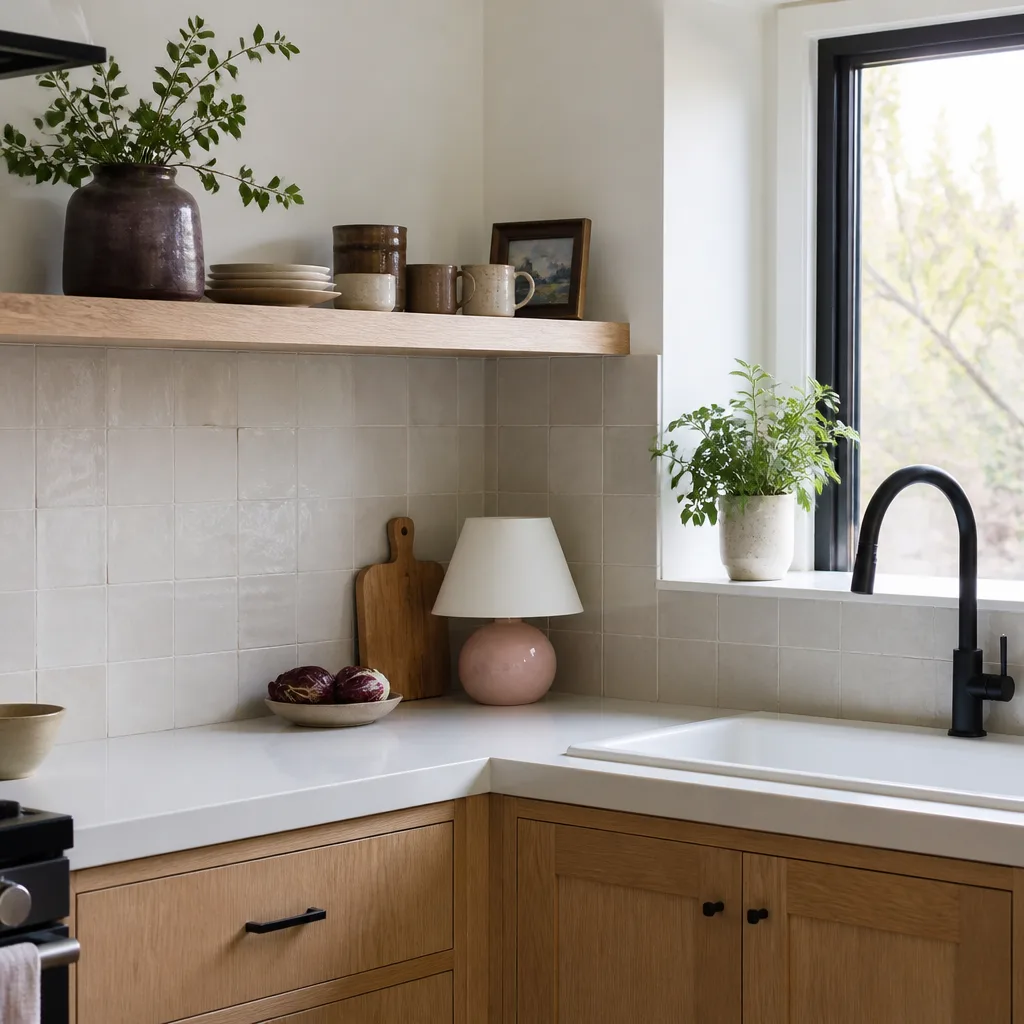
- Kitchen remodeling
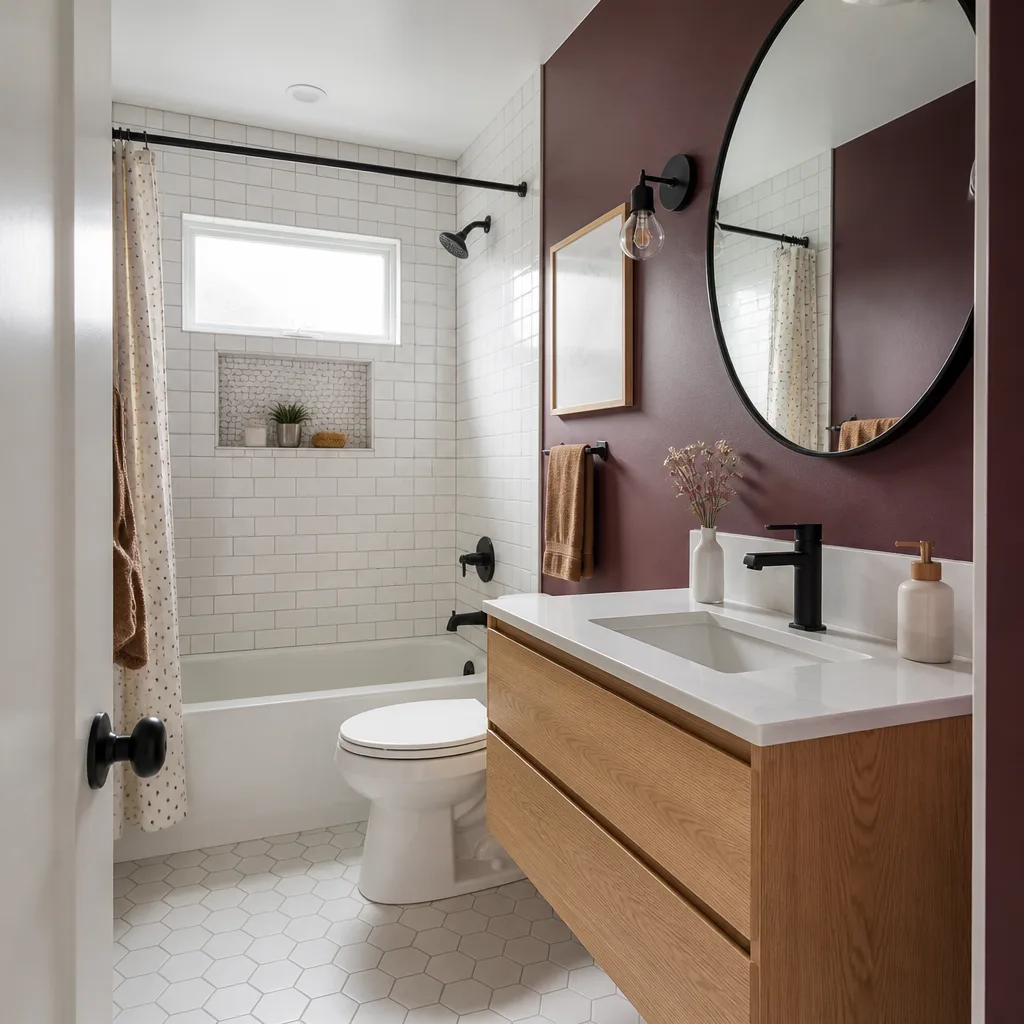
- Bathroom remodeling
- Home additions & ADU
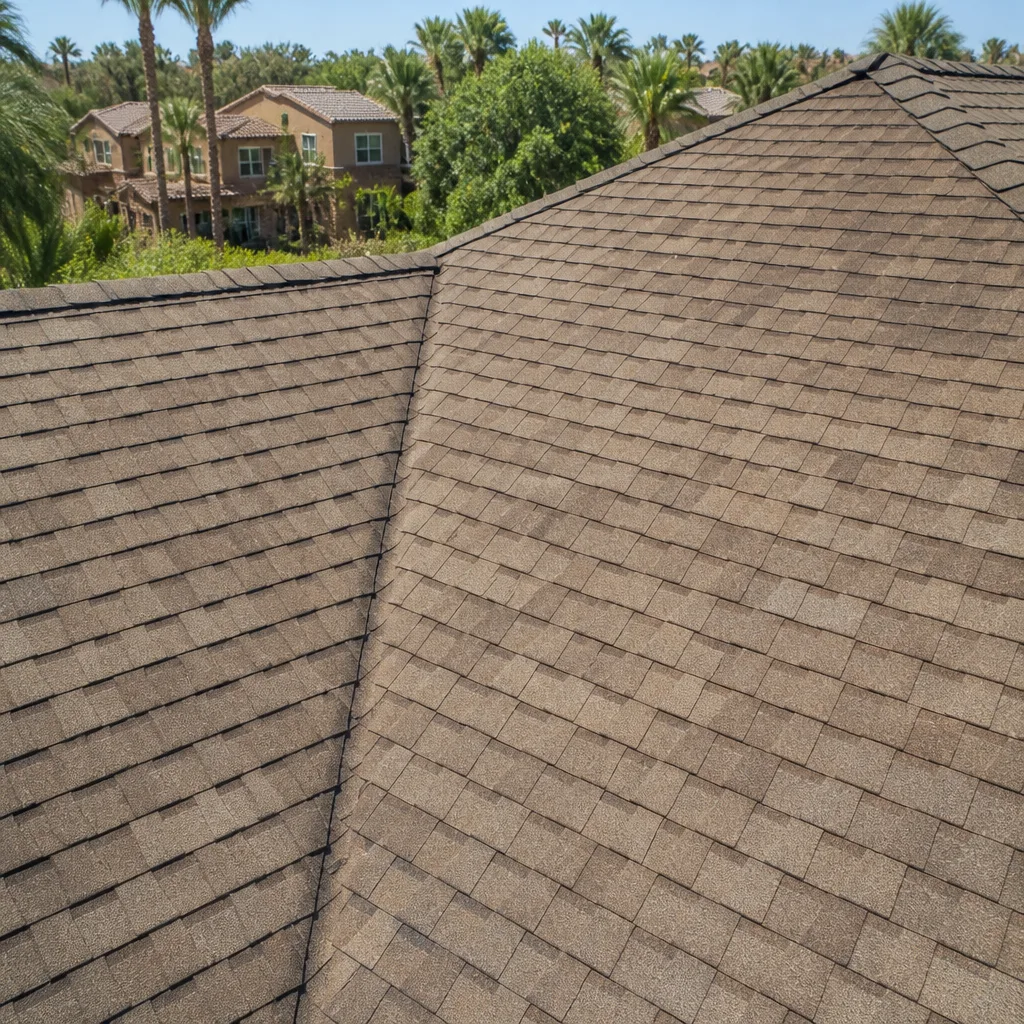
- Roofing
- Windows & doors
- Driveway & pavers
- Fence
See the difference
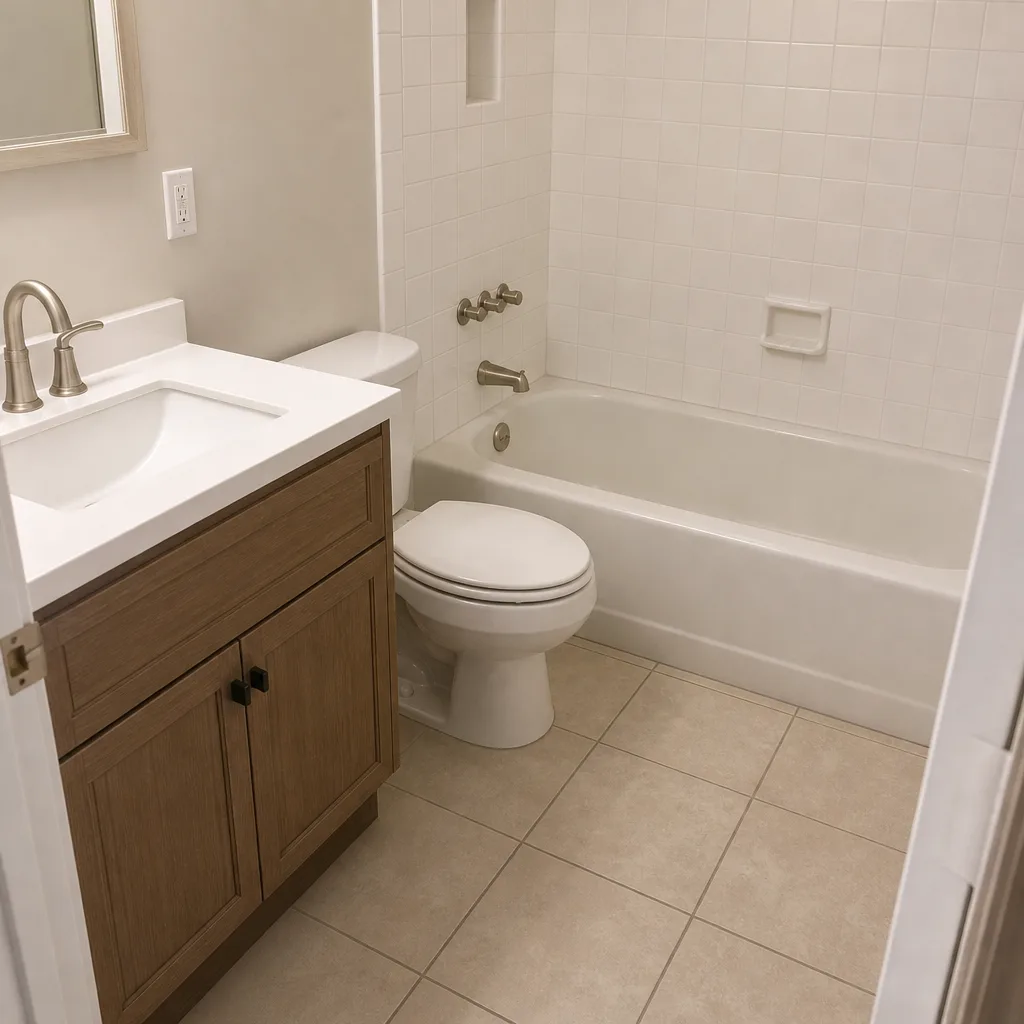
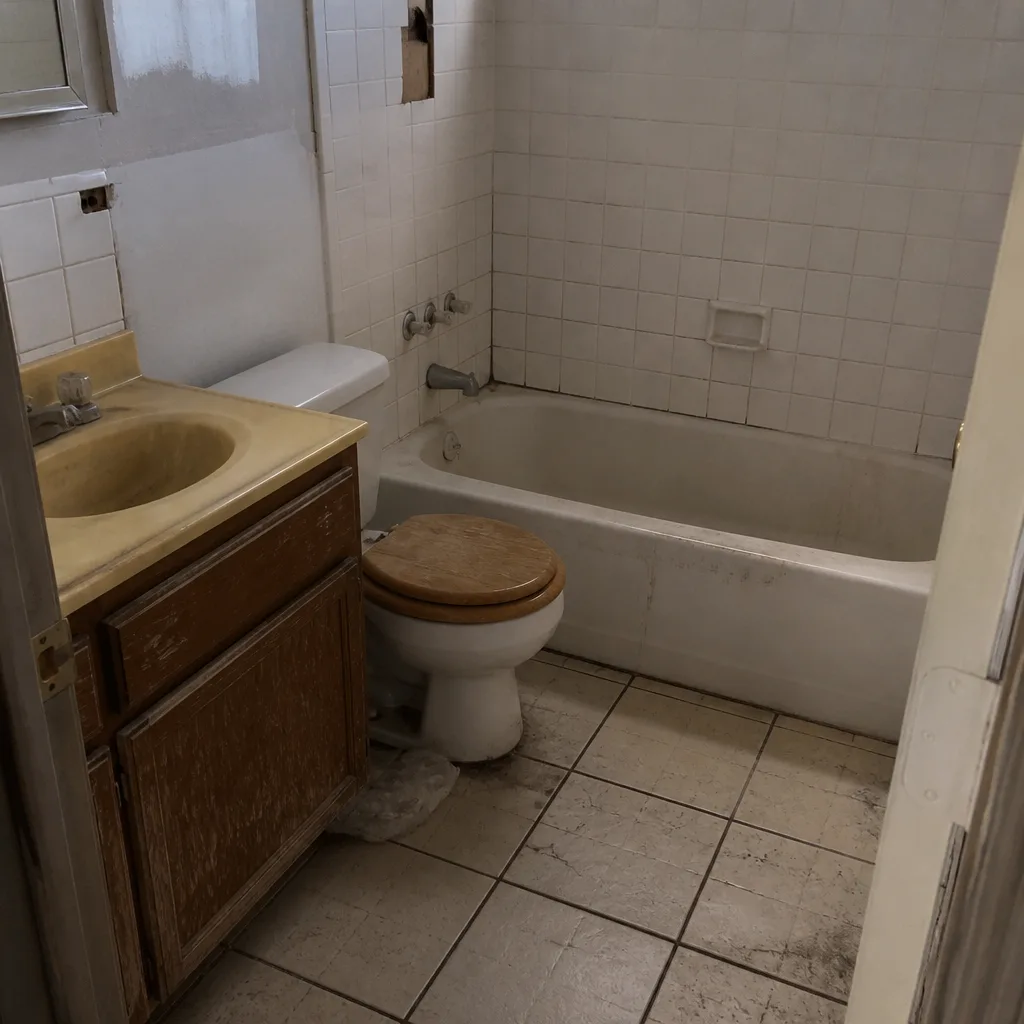 Before
 After
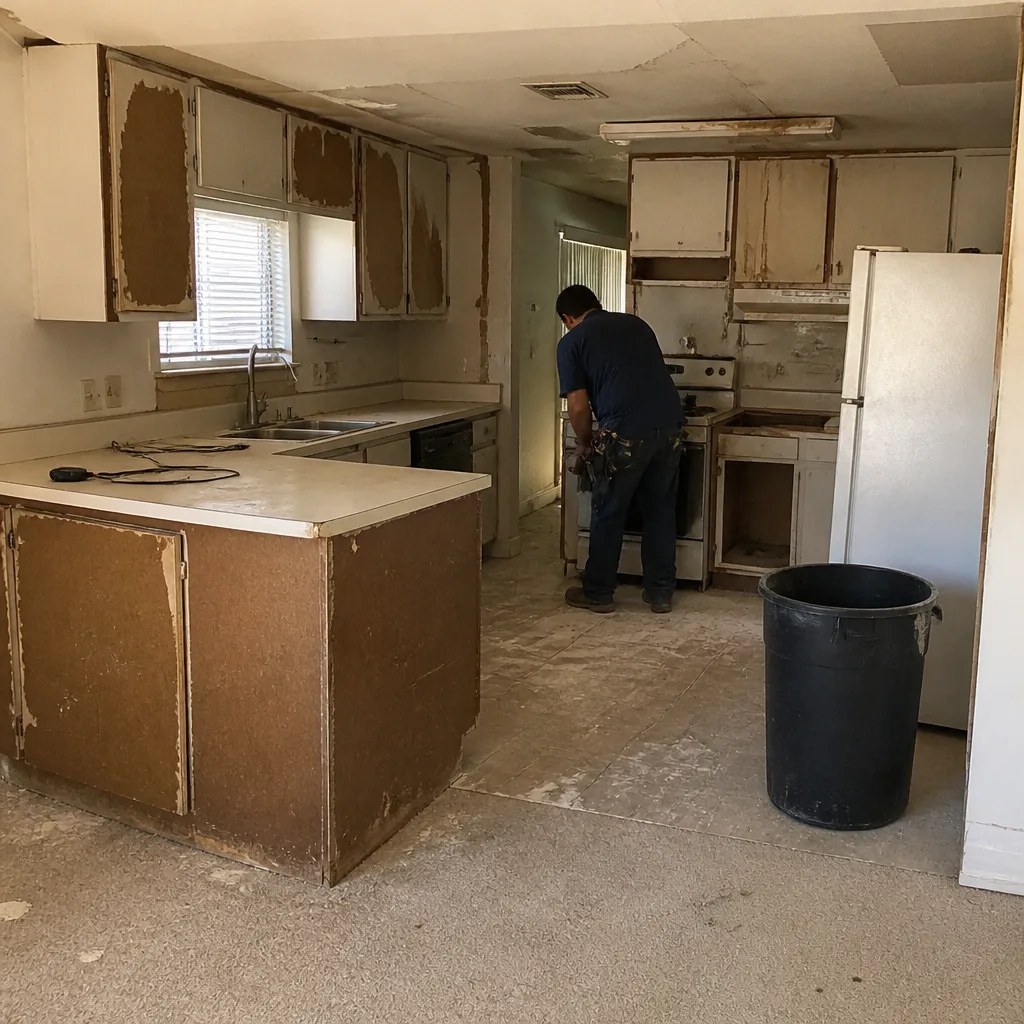 Before
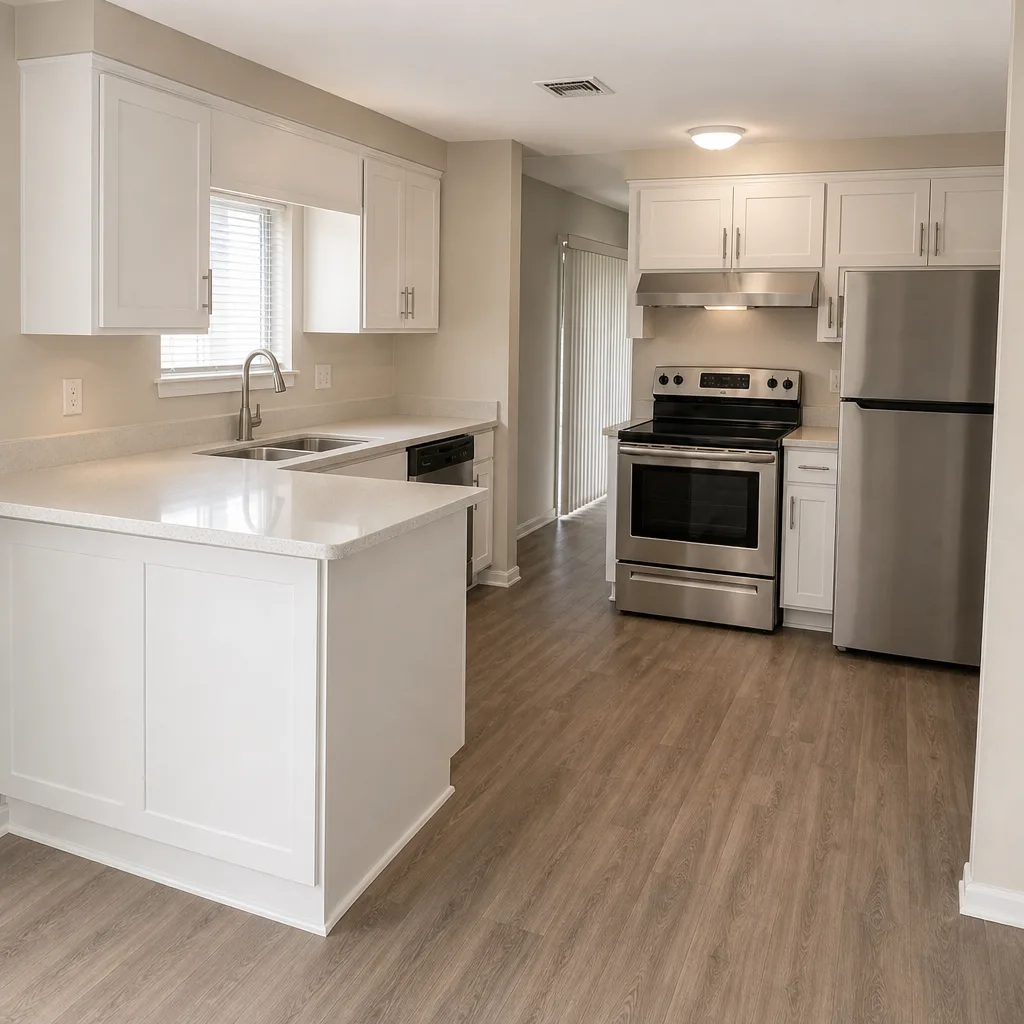 After
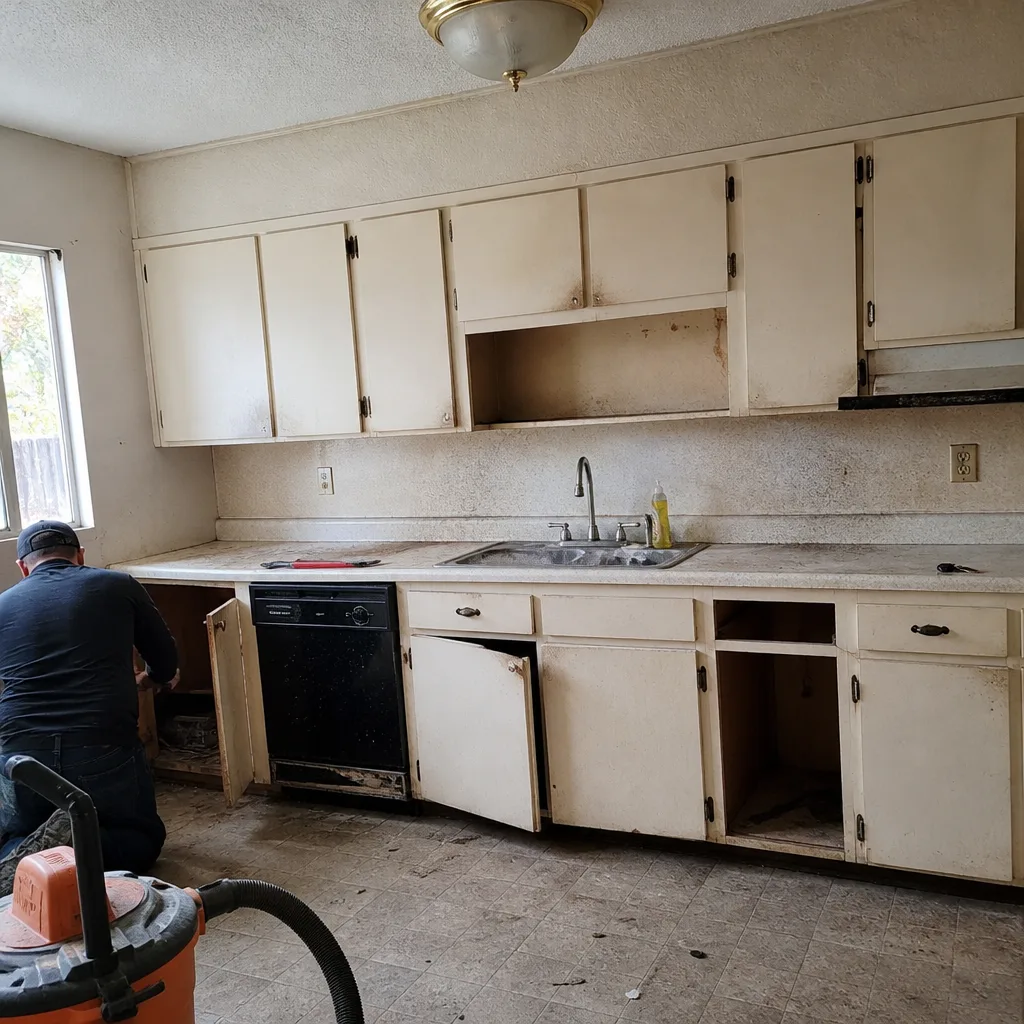 Before
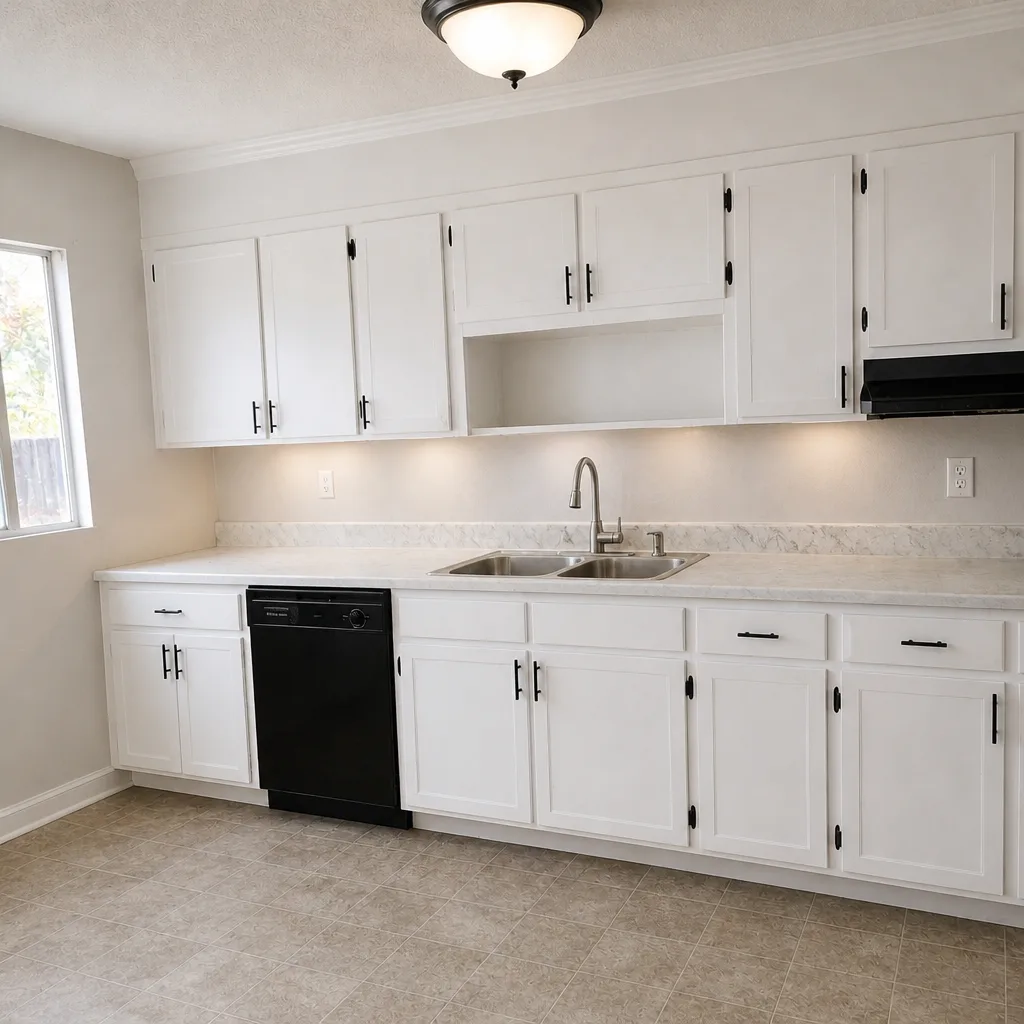 After
Home Addition vs ADU in Las Vegas: Which One Your Lot Can Actually Hold
Choose a home addition unless you have uncovered lot left over after the pool, block wall, and patio cover. On a typical 6,000-7,000 sq ft Las Vegas lot in Henderson or the southwest valley, those existing improvements often eat 40-45% of the allowable lot coverage before a single new wall goes up, and Clark County’s cap on impervious coverage will stop a detached ADU cold no matter what your budget says. A home addition tying into the existing footprint sidesteps that wall entirely. Call (833) 467-9123 and we’ll measure your lot before anyone quotes you a design fee.
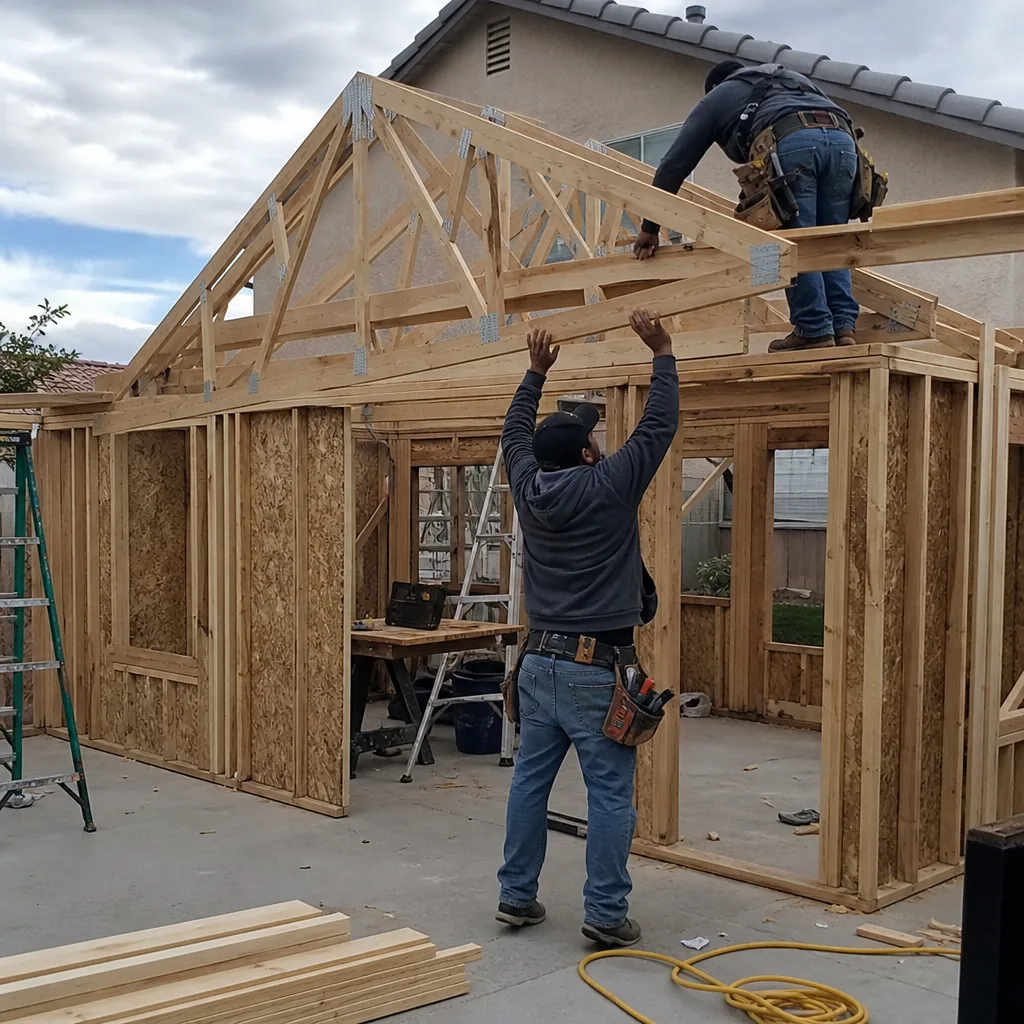
That’s the honest short version, and it’s not the order most comparisons put things in. They lead with price and use. We lead with the site, because the site is what decides whether the price and use ever get a chance to matter.
- Lot coverage first. A detached ADU that breaks the coverage limit cannot be permitted, full stop. No design, no budget, no rental projection gets around it.
- Cost second. Same-size addition runs roughly $90,000-$140,000; a detached ADU runs $130,000-$190,000, because it needs its own foundation, utilities, and envelope.
- Income third. An ADU can rent. An addition usually can’t. That revenue potential belongs in any honest ROI comparison.
- Structure throughout. Expansive clay soils mean both need engineered slabs, and the addition slab is the harder engineering problem of the two.
Why lot coverage is the first filter, not the last
Most homeowners start with “how much can I afford” and “what will I use it for.” Reasonable questions. But in Las Vegas they’re downstream of a physical fact: how much of your lot is already built on.
Picture the standard southwest valley backyard. Pool and deck. A block-wall perimeter running the property line. A patio cover off the back of the house. Add the driveway and the house footprint itself, and on a 6,500 sq ft lot in Green Valley or the southwest, you may already be sitting at 40-45% of the coverage the county allows. Detached ADUs need open ground. If the open ground is gone, the ADU is gone with it, and you find that out after you’ve paid for a design.
That’s why our pre-design site review measures existing impervious coverage before any design fee is charged. We walk the lot, add up what’s already there, and tell you plainly whether a detached structure fits inside the cap. Sometimes it does and the ADU is the right answer. Sometimes it doesn’t and the addition is the only permit-able path. Either way you know before money changes hands.
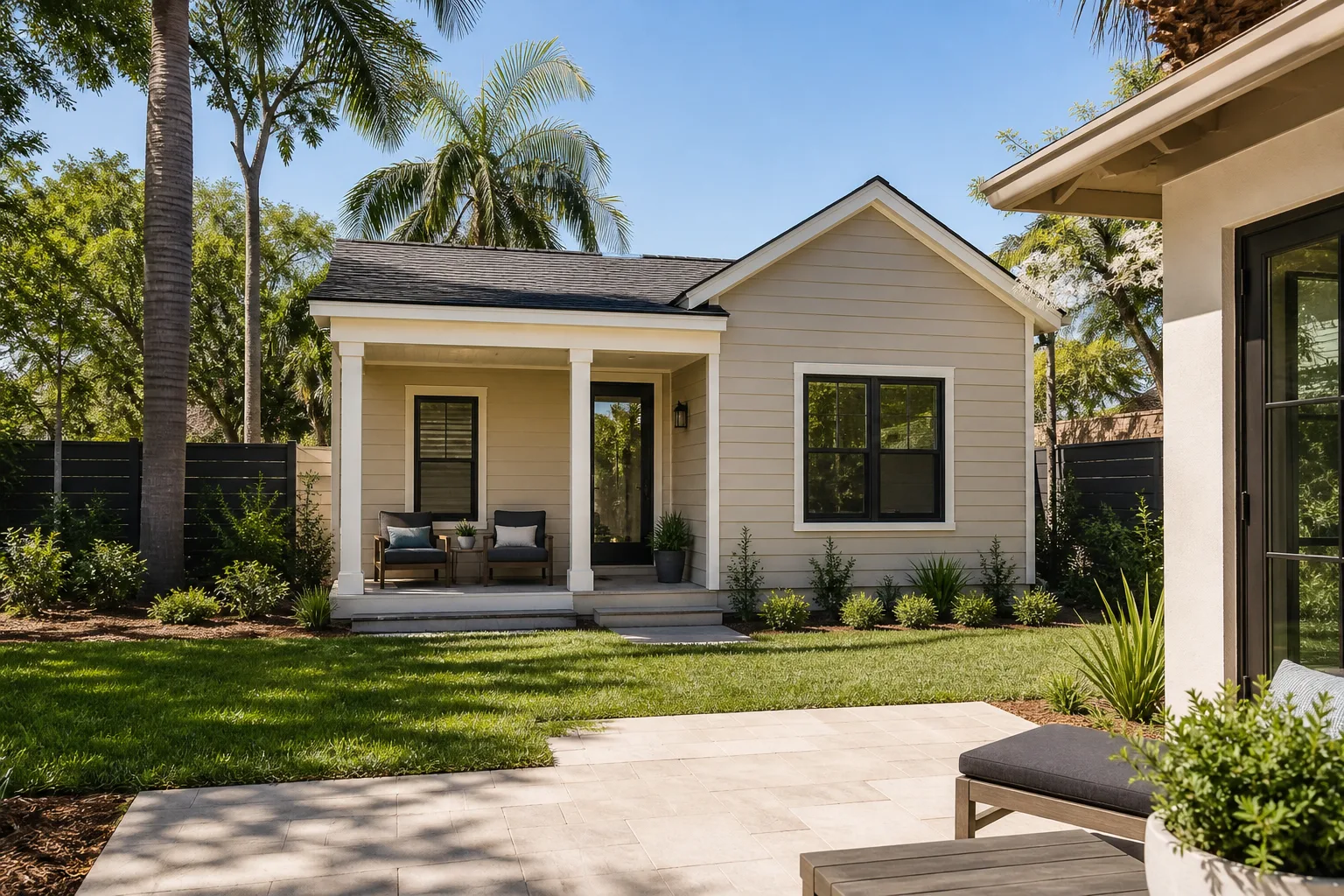
If you want the full picture of what the addition side involves, our Home Additions & ADU service page lays out the build process in detail. This page is about the choice itself.
What each option actually costs in Las Vegas
A 400 sq ft home addition tying into an existing slab runs approximately $90,000-$140,000 depending on finish level. A detached ADU of the same size runs $130,000-$190,000. The gap isn’t cosmetic. It’s foundation, utilities, and envelope: a detached structure is a standalone building that has to be built from the ground up, connected to the grid, and finished on all four sides.
| Line item | Attached addition (400 sq ft) | Detached ADU (400 sq ft) |
|---|---|---|
| Foundation / slab | Matches existing slab | Standalone engineered slab |
| Utility connections | Ties into existing runs | New water, sewer, electrical, gas |
| Exterior envelope | 2-3 new walls | Four walls, own roof |
| Finish level | Cambria or standard countertop; KraftMaid or stock cabinet | Same range applies |
| Typical all-in range | $90,000-$140,000 | $130,000-$190,000 |
The finish line matters more than people expect. Cambria quartz instead of a builder-grade top, KraftMaid cabinetry instead of stock boxes, Therma-Tru or Mr-Glass exterior doors instead of off-the-shelf: each choice moves the number within that range. We quote both options as separate written line items so you’re comparing on the same documented basis, not a verbal ballpark for one and a detailed bid for the other. That’s the whole point of a written price before any work starts.
For broader construction pricing across the trades we work in, see our home page; it links the pricing for kitchens, baths, roofing, and additions side by side.
Does the ADU’s rental income change the math?
Yes, and it’s the one place the ADU wins cleanly. Las Vegas has a strong short-term and long-term rental market. A permitted detached ADU can generate income a home addition usually cannot. Run the numbers honestly and the ADU’s higher build cost is often recovered over time; the addition’s lower cost buys space that doesn’t pay you back in rent.
So the decision splits along a line: if your lot has the coverage headroom and you want income or a separate living unit, the ADU earns its extra $40,000-$50,000. If your lot is tight, or you want connected square footage rather than a separate building, the addition is the right tool. Both are legitimate. Neither is wrong. The lot decides.
Why Las Vegas soils make the slab the real engineering question
Nearly every structure in this valley sits on expansive clay soils that swell and shrink with irrigation and monsoon moisture. That’s true whether you’re in Summerlin, Henderson, or downtown near the older block homes. Summer highs past 105°F and monsoon swings from July through September push those soils around, and you see the results in foundation cracks and block-wall separation every year after the rains.
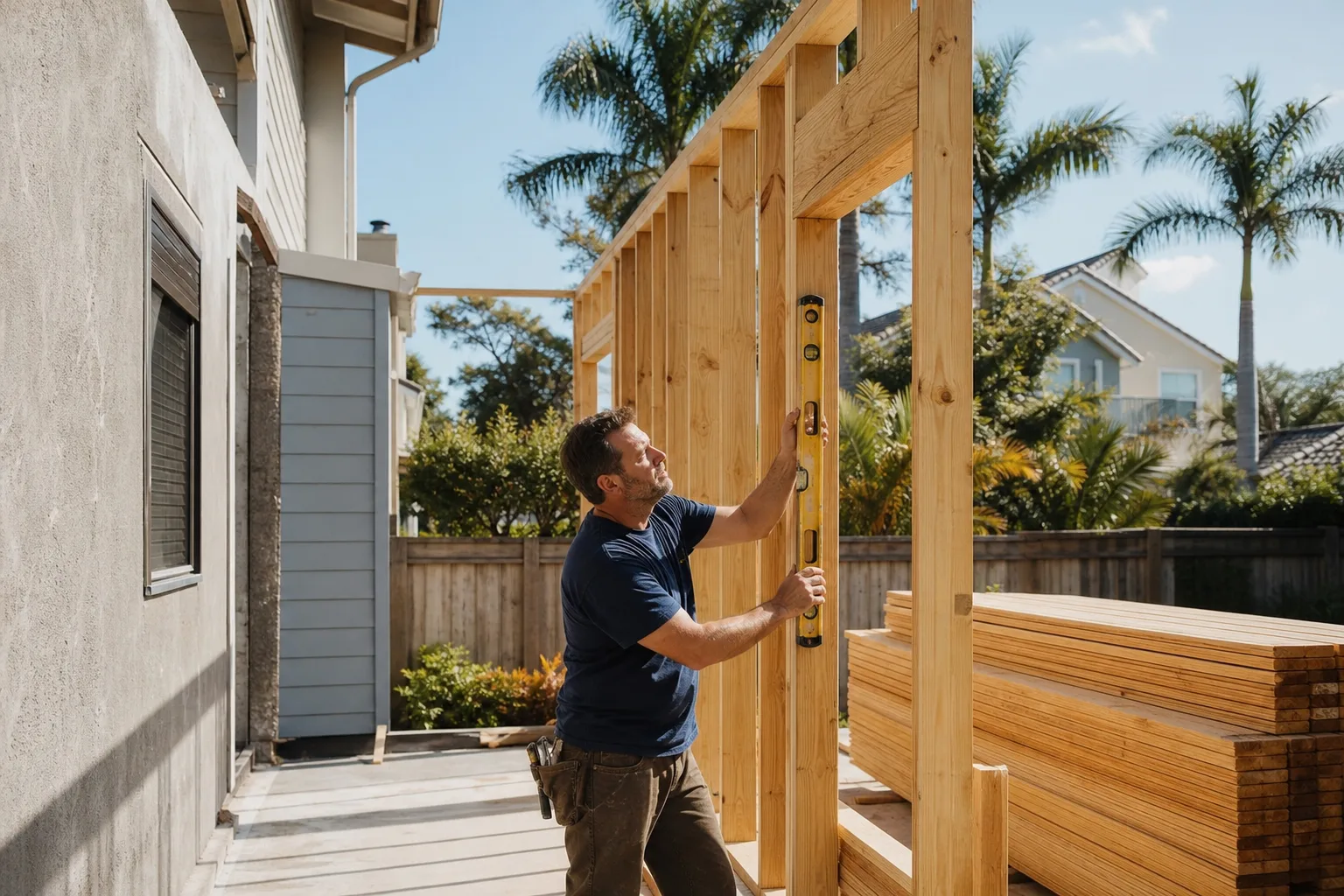
Both options need an engineered slab, but the problems differ. An ADU’s slab is standalone: one building, one design, one set of soil conditions. An addition’s slab has to be designed to match the differential movement behavior of the existing slab it ties into. If the new slab moves differently than the old one, you get a crack at the joint. That’s a structural bid detail, and it’s why an addition isn’t simply a cheaper ADU. It’s a different engineering problem that happens to cost less.
We also pour in this heat with the same discipline locals know: an early-morning pour, shaded, wet-cured from the start, or a July slab will craze and crack within hours. Under Clause 1 of The Haven Standard, the written price and scope are set before anyone picks up a tool, and no change proceeds without a signed change order. That discipline is what has kept our projects within a few percent of the agreed price across 4,000-plus jobs.
How do you compare the two options fairly?
Put both in writing on the same basis and read them line by line. A verbal range for one option against a detailed bid for the other is not a comparison, it’s a sales tactic. Ask for:
- A coverage measurement of your existing lot, with the impervious percentage stated in numbers.
- A written scope for each option, with foundation, utilities, and envelope broken out separately.
- Finish-level assumptions named (cabinet brand, countertop brand), not “standard.”
- A written warranty and a signed-change-order process described in advance.
- A second opinion on any estimate you already have, reviewed line by line at no charge.
Rowan Construction Group Las Vegas will sit down with any written estimate you bring, including a competitor’s, and go through it clause by clause for free. Our technicians have up to 19 years of experience, crews are background-checked and uniformed, a live person answers calls 24/7, and every visit includes a documented photo record as a standard deliverable, not an add-on.
FAQs
It depends on your existing impervious coverage. Pool, deck, block wall, patio cover, driveway and house footprint all count toward the limit, and many 6,000-7,000 sq ft lots in Henderson and the southwest valley are already at 40-45% of the allowable coverage before any ADU is added. We measure that before charging a design fee so you know whether a detached unit is even possible. Call (833) 467-9123 for a free lot-coverage check.
Yes, typically by $40,000-$50,000 for the same square footage. A 400 sq ft addition runs about $90,000-$140,000; a 400 sq ft detached ADU runs $130,000-$190,000, because the ADU needs its own foundation, utility connections, and all four exterior walls. The gap is real, and an ADU’s rental potential is what can justify it. Call (833) 467-9123 for both numbers in writing.
Usually yes. A permitted detached ADU is its own rentable unit, and Las Vegas supports a strong short-term and long-term rental market, while an attached addition generally adds living space for the household without generating rent. That revenue is the main reason the higher ADU build cost can still pencil out. Call (833) 467-9123 and we’ll lay out the ROI both ways.
Yes, both need an engineered slab, but the addition’s slab is the trickier design because it has to match the existing slab’s movement or crack at the joint, while the ADU’s slab stands alone. Clark County soils swell and shrink with irrigation and monsoon moisture, so this is a structural decision, not a finish one. Call (833) 467-9123 and we’ll walk your slab condition before quoting.
If you’d rather have it looked at, Rowan Construction Group Las Vegas offers a no-pressure assessment in Las Vegas: we’ll measure your lot coverage, put both options in writing, and review any estimate you already have line by line at no charge. Call (833) 467-9123 for a free estimate. The 365-Day Done Right Promise applies to every project: if it isn’t done right, we make it right.
Written by the team at Rowan Construction Group Las Vegas, serving Las Vegas, NV.