Last updated November 18, 2026




Free written scope consultation - allowances, timeline, and change-order rules on paper before a single trade is scheduled
DIY vs Professional Windows & Doors: What’s Safe to Do Yourself
Here’s a number worth sitting with: Clark County issues permits for thousands of residential window and door replacements every year, and a meaningful share of the do-it-yourself jobs we’re called out to inspect were never permitted at all. The homeowner saved the permit fee. Then a summer monsoon pushed water through a poorly flashed frame, the drywall swelled, and the insurer asked for the permit record. No permit, no coverage. That’s the trap. This guide separates what a careful homeowner can genuinely handle from the work that quietly voids your warranty and your insurance protection – and it’s written from Las Vegas, where stucco walls and 110-degree summers make the stakes higher than most DIY videos admit.
Quick Answer
The safe DIY zone is narrow: interior casing trim, hardware swaps, weatherstrip replacement, and re-keying locks. Everything that touches the building envelope – pulling a window, cutting a rough opening, flashing a stucco wall, setting a door – belongs to a licensed contractor, because permit compliance, flashing integrity, and energy code documentation are what protect the investment. In Las Vegas, unpermitted envelope work can void insurance coverage on a water claim, which is why we treat it as a hard line.
Styles & brands we work with
- Kitchen remodeling
- Bathroom remodeling
- Home additions & ADU
- Roofing
- Windows & doors
- Driveway & pavers
- Fence
Table of Contents
- When Does Window Replacement Need a Permit in Clark County?
- Why Stucco Flashing Is the Highest-Risk DIY Step
- What You Can Legitimately Do Yourself
- The Cost Math: Labor, Break-Even, and Liability
- Doors Are a Different Animal
- What a Professional Documentation Package Should Contain
- How This Affects Resale and Insurance
When Does Window Replacement Need a Permit in Clark County?
Like-for-like replacement – same size, same location, same operation type – generally falls under a minor work allowance in Clark County, while any change to the rough opening, structural header, or egress dimensions requires a permit and inspection. The practical test we use: if the new unit slides into the existing framed opening without cutting framing, you’re usually in replacement territory. The moment you widen an opening, move a header, or change a bedroom window’s clear opening, you’ve crossed into permitted work.
A few conditions that trigger a permit almost every time:
- Any change to the rough opening dimensions, even an inch
- Adding or enlarging a window in a sleeping room, where egress clear opening must meet code
- Converting a window to a door, or a door to a window
- Structural header changes, or removing load-bearing framing
- New openings cut into an exterior wall
Like-for-like swaps still carry documentation obligations. Title 24 energy compliance for replacement units means the glazing has to meet current U-factor and Solar Heat Gain Coefficient targets for our climate zone – and in Las Vegas, that SHGC number matters enormously, because west-facing glass with a high solar gain figure will cook a room from May through September no matter how good the install is. The NFRC label on the unit is the proof. Keep it. Photograph it before it goes in the trash, because a future buyer’s inspector will ask.
We’ve watched homeowners split hairs on the permit threshold to save a few hundred dollars, then spend several thousand on drywall repairs after an inspection revealed the gap. If you’re unsure which side of the line your project sits on, ask before you buy the unit. Our crews confirm permit requirements in writing at the estimate stage, and if a job needs a permit, we pull it – that’s a standing part of how we work on every Rowan Construction Group Las Vegas home project. The permit isn’t paperwork for its own sake. It’s the record that proves the work was done to code when someone else owns the house.
Why Stucco Flashing Is the Highest-Risk DIY Step
Improper flashing at stucco exterior walls is the leading cause of wall cavity moisture damage in Las Vegas homes, and it’s invisible until the damage is severe. That’s the sentence to remember. Water doesn’t announce itself at the window frame. It enters at the head flashing, runs down the weather-resistive barrier behind the stucco, soaks the sheathing and framing, and shows up months later as a soft spot under the sill or a bubble in the interior paint. By the time you see it, the repair involves cutting stucco and replacing framing.
Here’s what makes Las Vegas different from a wetter climate. Our annual rainfall is low, so small flashing flaws can go unnoticed for a year or two. Then a monsoon cell dumps two inches in an hour, and every weak point fails at once. Homes in Summerlin, Green Valley, and the older central neighborhoods all share the same three-coat stucco system, and all of them rely on the same sequence: weather barrier lapped correctly, sill pan set with a back dam, head flashing tucked behind the barrier above, and the stucco terminated with a weep screed so moisture can escape. Get the layering wrong and the wall holds water instead of shedding it.
The sequence a professional installer follows, in order:
- Cut back stucco and lath with a clean, straight reveal around the opening
- Inspect and repair the weather-resistive barrier, lapping new material over old in shingle fashion
- Set a sloped sill pan with end dams and back dam
- Install the window plumb, level, and square, shimmed at the jambs
- Flash the jambs, then the head, tucking the head flashing behind the barrier above
- Re-lath and apply the stucco patch with proper curing between coats
- Integrate a weep screed or drainage plane so any water that gets behind the stucco can exit
Every step is a place to fail silently. That’s why we treat flashing as the non-negotiable professional zone, and why we photograph the rough opening and the flashing stage before the stucco goes back on – so there’s a visual record of what’s behind the wall. If you’re pairing window work with other exterior projects, the same water-management logic applies to our Fence Installation in Las Vegas work, where post footings and grading decide whether water drains away from the house or toward it.
What You Can Legitimately Do Yourself
Plenty of the finished look around a window or door is genuinely within reach, and doing it yourself saves real money without touching the envelope. The line is simple: if the task sits inside the building’s weather barrier, it’s yours. If it penetrates or seals the barrier, it’s a contractor’s.
Interior casing trim is the friendliest starting point. Removing old casing, cutting new material to length, and nailing it off with a finish nailer is a weekend job for a careful beginner. We recommend pre-primed MDF for painted interiors, or finger-jointed pine if you plan to stain; both take paint cleanly and won’t telegraph grain through the finish the way cheap finger-joint can. Caulk the joint where the trim meets the drywall, not the joint where it meets the window frame, and keep that second joint flexible.
Hardware swaps are the easiest win. Replacing a dated handle set with a modern lever, upgrading hinges to ball-bearing models, or swapping a builder-grade deadbolt for a keypad unit takes an hour and requires only a screwdriver. For hardware, a brand like Quikrete isn’t relevant here – that’s a concrete product – so look to the lock and hardware specialists for finish-matched lever sets, and stick with solid brass or stainless for anything that faces the sun, since plated finishes pit in our UV load.
Weatherstrip replacement earns its place too. Felt and foam strips fail fast in Las Vegas heat, usually within a couple of summers. A self-adhesive foam or a silicone bulb seal re-applied to a clean, dry frame restores the seal on a sliding window or door for under $30. Clean the channel with denatured alcohol first; adhesive won’t stick to dusty aluminum. Burglar-bar and screen hardware, hand-set door sweeps, and interior threshold trim round out the safe list.
Re-keying locks is worth a note. Replacing the cylinder yourself or calling a locksmith both work; the point is to change every exterior lock after you take possession of a home, regardless of what the seller promised. It’s cheap, it’s quick, and it’s the first thing we’d do in any house we moved into.
The Cost Math: Labor, Break-Even, and Liability
Professional window installation typically runs $150 to $300 per window in labor, separate from the unit cost, and that labor number is the one to compare against your own time and risk. On a seven-window project, professional labor might total $1,400 to $2,100. A DIY attempt saves the labor but inherits every risk: the permit, the inspection, the flashing, the warranty, and the insurance exposure.
A rough line-item comparison for a mid-size Las Vegas replacement job:
- Unit cost (double-pane, low-E, argon): $350 to $750 per window, depending on size and brand
- Professional labor: $150 to $300 per window
- Permit and inspection: varies by scope; usually a few hundred dollars on a permitted job
- Stucco patch and finish work: often bundled into the labor figure on a full-service job
- Documentation package: included, not an upgrade
Where’s the break-even? Honestly, it’s rarer than the internet suggests. A single like-for-like window in an accessible wall, with no stucco involvement and no permit trigger, can pencil out for a confident DIYer who works slowly and follows the manufacturer’s printed instructions to the letter. Two windows in, the saved labor starts disappearing into tool rental, disposal fees, and the time off work. Five windows in, the warranty and liability math overwhelms any savings. And the unknown variable – the flashing mistake you can’t see for two years – doesn’t show up in any spreadsheet.
For the broader exterior budget picture, our Driveway & Pavers in Las Vegas guide breaks down hardscape costs the same way, line by line, because the number should be visible before anyone commits. That’s the whole point of a written price. If you’d rather see the real figure for your house, our team provides a written price before any work starts, and a free second opinion on any competitor’s written quote – the review is line by line, at no charge.
Doors Are a Different Animal
Exterior door replacement is heavier work than windows, and most of it belongs to a professional. A prehung exterior door requires the frame to be plumb, level, and square in three dimensions, the threshold sealed against water intrusion, and the door slab aligned so it latches without binding – and that’s before the flashing and siding repair. On a stucco wall, the same flashing sequence applies. On a framed opening, a door swap often triggers a permit because it changes the opening.
Sliding glass doors and French doors are worse. Their weight means two people minimum, and the track must sit dead flat or the door will leak and drag for the rest of its life. We regularly get called to redo sliding doors where a prior install left the threshold a quarter-inch out of level; water finds that every monsoon.
Patio and interior door swaps are a more mixed picture. Hanging an interior slab in an existing jamb is a solid DIY project if you’re patient with a chisel and a plane. But exterior doors, garage doors, and any door that penetrates the building envelope – those are contractor territory, full stop. If a door leads to an addition or a new outdoor living space you’re planning, our Home Additions & ADU in Las Vegas team coordinates the door, framing, and envelope work as one scope so the flashing is continuous rather than patched together by three different trades.
What a Professional Documentation Package Should Contain
A professional installation should leave you with a documentation package, and each item in it has a specific job at resale. Ask for these four things in writing:
- The permit and final inspection record. This proves the work was done to code and inspected. A future buyer’s inspector will look for it, and an insurance adjuster may request it after a water claim.
- Rough-opening and flashing photos. Images taken before the stucco goes back on show the weather barrier, sill pan, and head flashing as installed. This is the evidence that answers “was it done right?” years later.
- The flashing inspection sign-off. A written sign-off at the flashing stage catches problems before they’re buried. It’s a checkpoint, not a formality.
- The retained NFRC label for each unit. The label carries the U-factor and Solar Heat Gain Coefficient values that prove energy code compliance. Photograph the label before it’s discarded – it’s the closest thing to a birth certificate for the window.
We include a documented photo record on every visit as a standard deliverable, not an add-on, and every project we quote carries a flat written price, a written scope, and a written warranty. Under the Haven Standard, no work proceeds on a change until the change order is signed – the discipline that keeps a project within a few percent of the agreed number. If the install ever fails within a year, our 365-Day Done Right Promise applies: if it’s not done right, we make it right.
How This Affects Resale and Insurance
Unpermitted envelope work can void an insurance claim after a leak, and it can stall a sale when a buyer’s inspector flags the missing permit. Those are the two practical consequences, and both are financial. An insurer reviewing a water-damage claim may cite unpermitted window or door work as grounds for denial, because the carrier can argue the work didn’t meet code. On the resale side, most Las Vegas listing agents will require permit records or a disclosure for any envelope work, and a title or inspection report that surfaces unpermitted replacement can push a closing back weeks or kill it outright.
The fix isn’t complicated, but it isn’t cheap either: retroactive permits, inspection, and in some cases opening the wall to verify flashing. We’ve walked homeowners through that process, and the bill for making an unpermitted install legal often exceeds what the professional install would have cost in the first place. If you’re buying a home and the seller can’t produce window or door permits, put it on the repair request list. That’s a fair ask, and it’s a lot cheaper before closing than after.
Common Mistakes to Avoid
- Skipping the permit to save a few hundred dollars. The permit is the record that protects your insurance claim and your sale. The savings disappear the first time a claim gets denied.
- Flashing the head before the sill. Water obeys gravity; the sequence matters. Installers who flash in the wrong order trap moisture behind the stucco, and it shows up two summers later.
- Tossing the NFRC label. That label is the only proof of energy code compliance on the unit. Photograph it before installation and keep the photo with your closing documents.
- Using the wrong sealant at the stucco joint. A rigid caulk that cures hard will crack in Las Vegas’s daily temperature swings. Use a flexible, paintable exterior sealant rated for stucco and masonry.
- Buying units before confirming permit requirements. A window that’s the wrong size for the rough opening, or the wrong SHGC for the climate zone, can’t be returned once it’s ordered. Confirm the spec first.
- Assuming “like-for-like” means “no paperwork.” Even a permitted-exempt replacement should leave a paper trail: the receipt, the specs, the NFRC label, and a photo of the flashing. Build that file anyway.
- Taking a one-day installation at face value. A crew that pulls the old window and installs the new one without inspecting the barrier is skipping the step that matters most. A job that’s fast for the wrong reason is worse than a job that takes two days.
See the difference
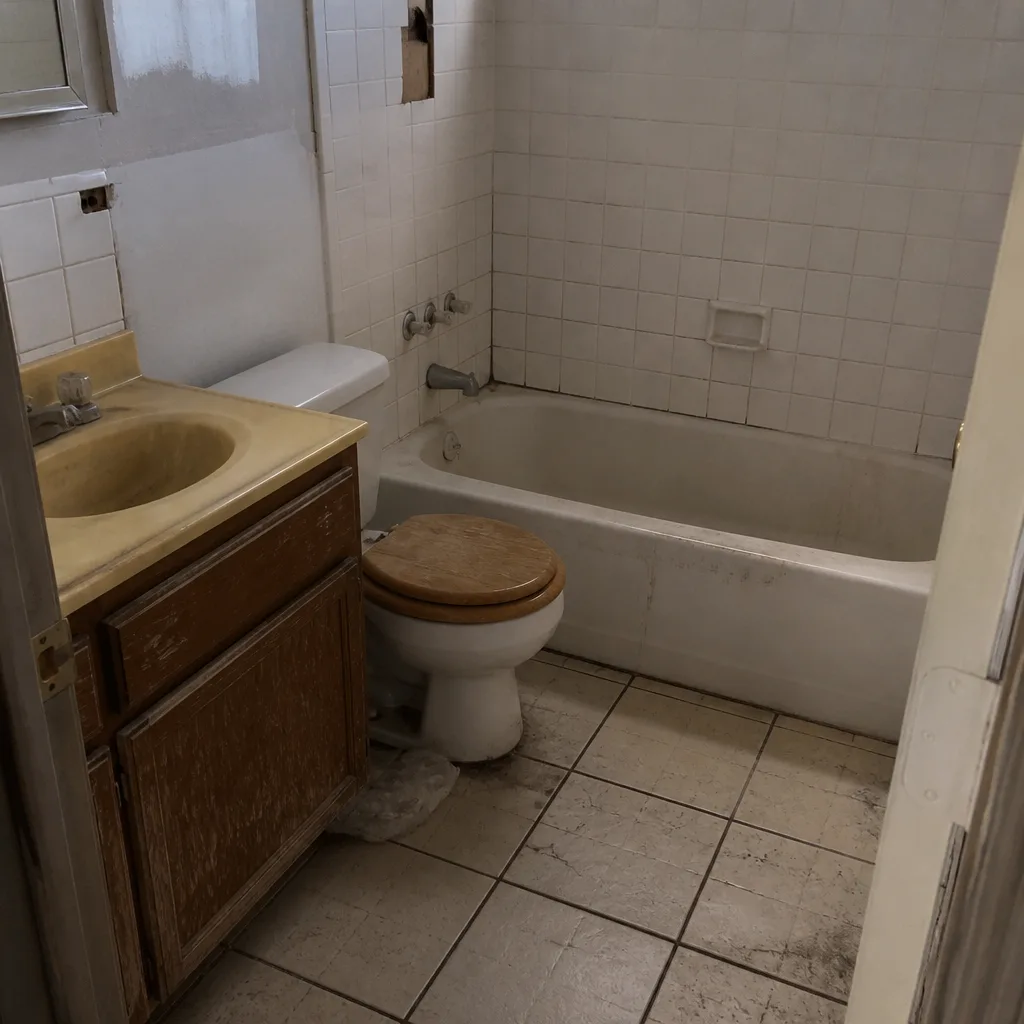 Before
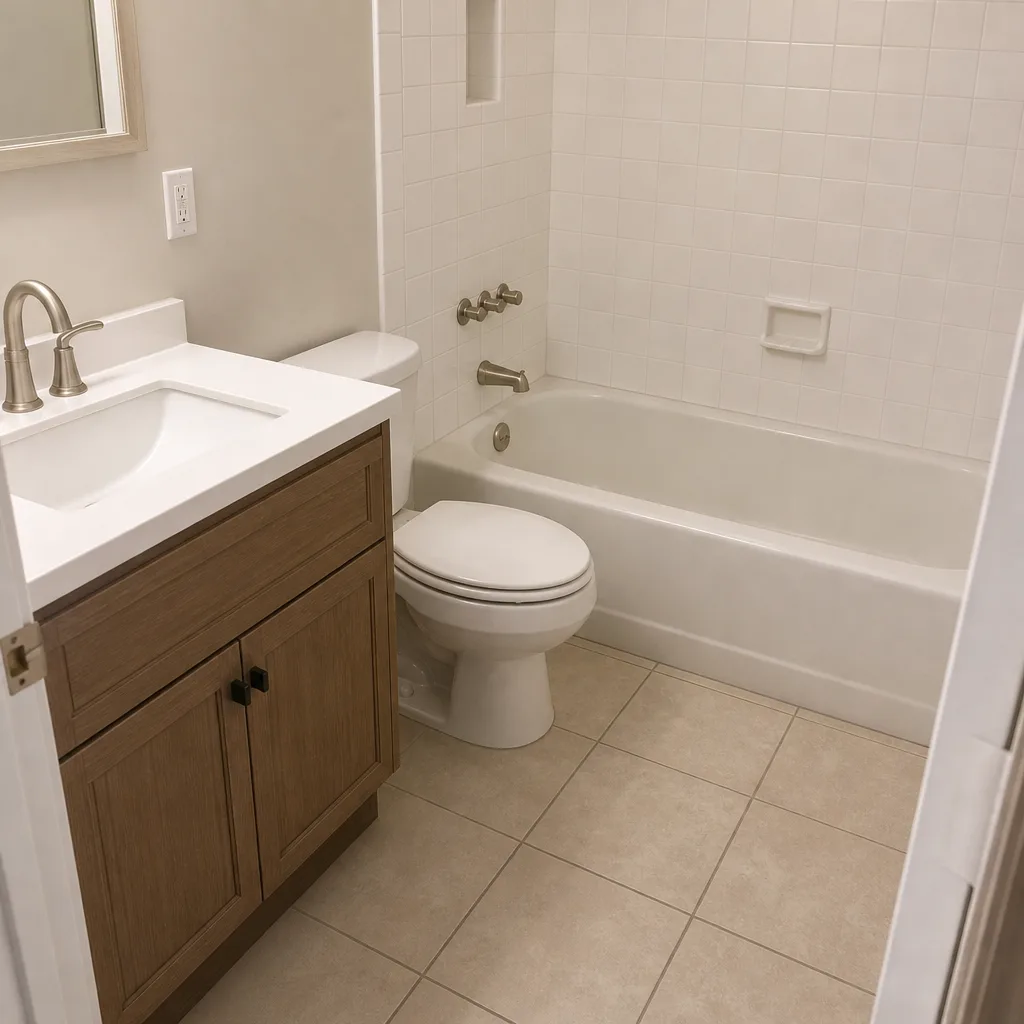 After
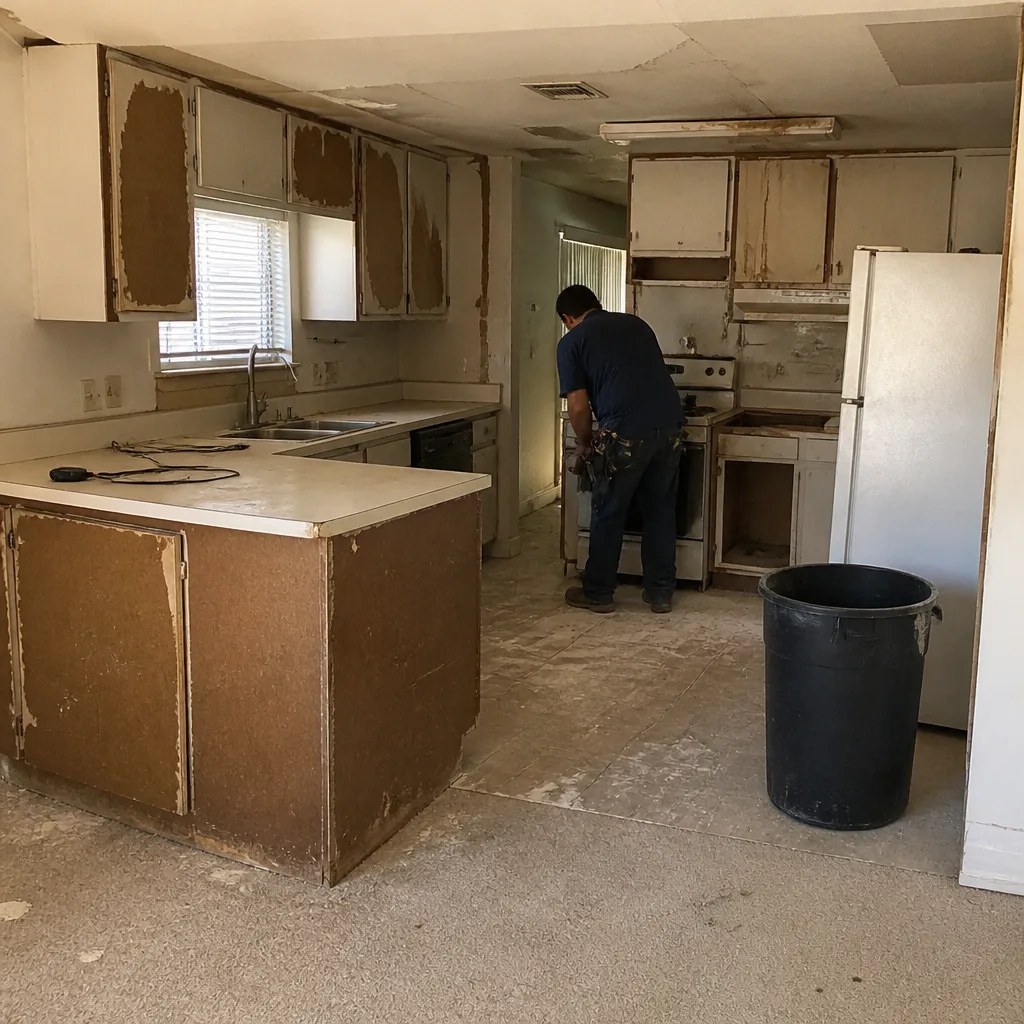 Before
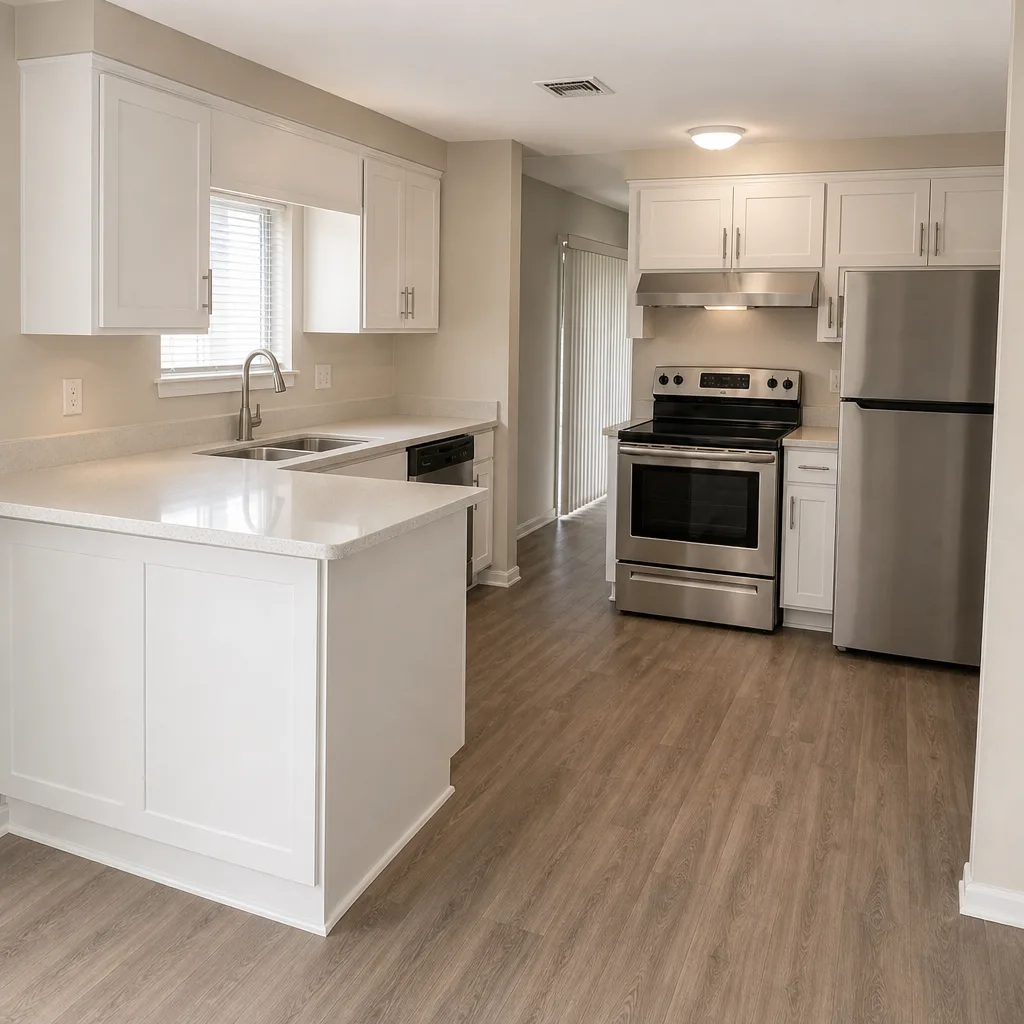 After
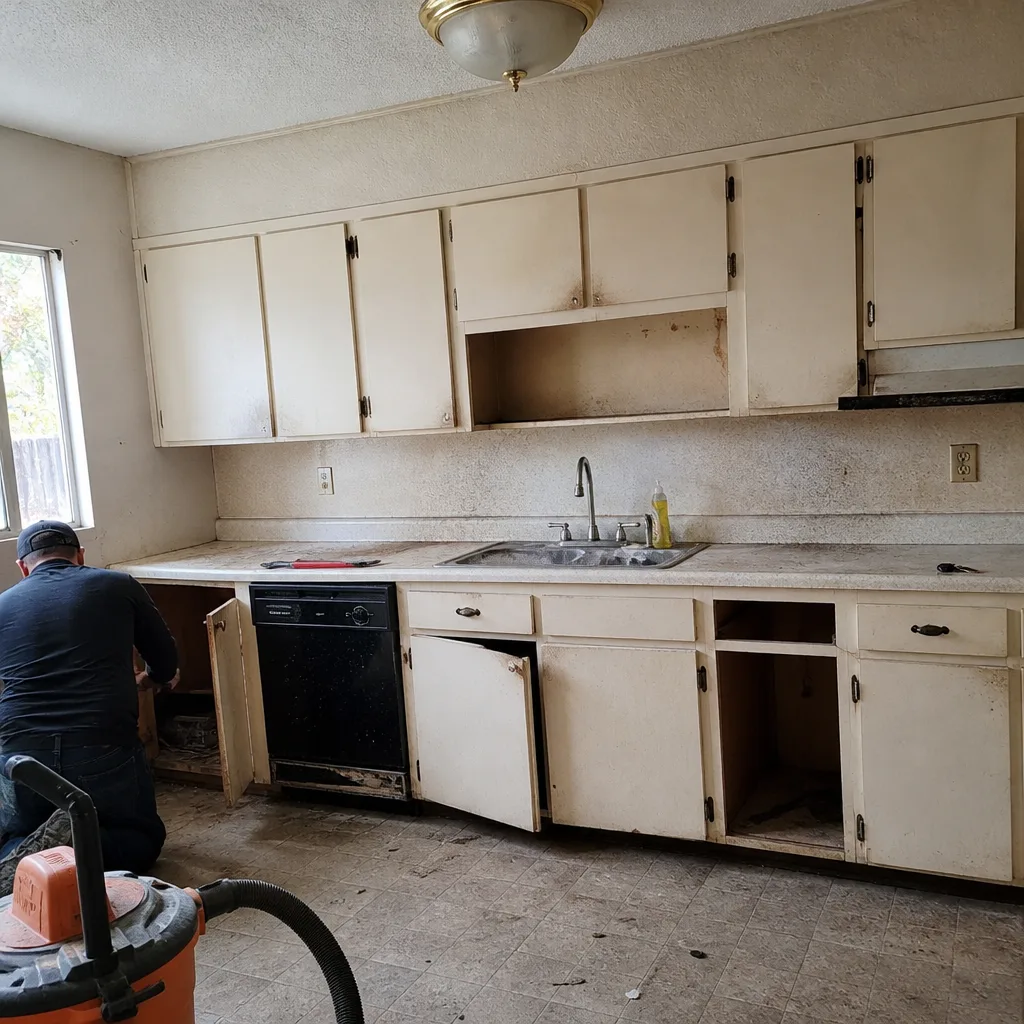 Before
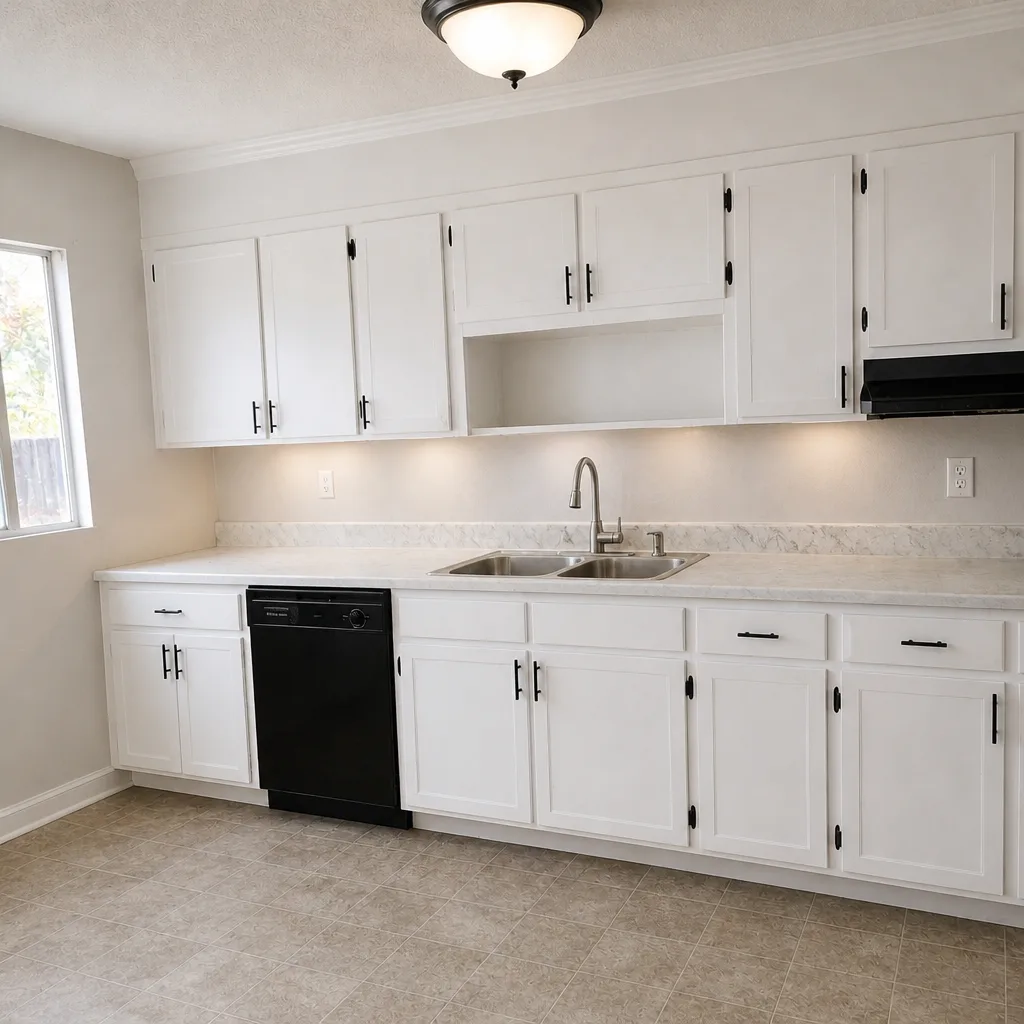 After
When to Call a Professional
Call a professional when the work touches the building envelope, when a permit is required, when the wall is stucco, when the opening is changing, or when the door is an exterior or sliding unit. Also call when you’re replacing five or more units at once, because the flashing and warranty math favor a single accountable installer. In Las Vegas, the summer heat and monsoon season make water management a year-round concern, not a seasonal one, so anything that affects how the wall sheds water deserves a trained eye and a documented installation. Rowan Construction Group Las Vegas offers free estimates – call (833) 467-9123. Our technicians have up to 19 years of experience, crews are background-checked and uniformed, and a live person answers calls 24/7.
Frequently Asked Questions
Like-for-like replacement that doesn’t change the rough opening usually doesn’t require a permit in Clark County, but any change to the opening size, structural header, or egress dimensions does. If you’re widening a bedroom window or adding a new opening, plan on a permit and inspection. When you’re unsure, call (833) 467-9123 and we’ll confirm in writing – estimates are free.
Only if the work is permitted and the inspector can verify the rough opening, flashing, and unit spec, which usually means the work is done by a licensed contractor or inspected at the correct stages. A DIY installation that skips the permit can’t be inspected retroactively without opening the wall. If you’ve already installed a unit without a permit, call (833) 467-9123 for a second opinion on how to bring it into compliance.
Professional labor runs roughly $150 to $300 per window in Las Vegas, with units adding $350 to $750 each for double-pane low-E glass. A seven-window replacement often lands in the mid four figures for materials and labor combined, plus permit and any stucco repair. Call (833) 467-9123 for a written line-item price on your specific windows – we deliver the number before any work starts.
Installing the head flashing over the weather barrier instead of tucking it behind, which lets water run down the wall face and into the cavity. That single mistake is the most common cause of hidden moisture damage we find on Las Vegas stucco homes. Our installers photograph the flashing stage before the stucco goes back on, so there’s a record of what’s behind the wall.
Yes. An insurer can cite unpermitted envelope work as grounds to deny a water-damage claim, because the work may not have met code. That’s the risk most DIY guides leave out. If you’re buying a home and the seller can’t produce permits for window or door work, ask for it before closing – call (833) 467-9123 if you want a second opinion on what you’re looking at.
Interior casing trim, hardware swaps, weatherstrip replacement, and re-keying locks are all safe for a careful homeowner, because none of them penetrate the building envelope. Anything involving flashing, the rough opening, or exterior doors needs a licensed contractor. Call (833) 467-9123 for a free estimate on the parts of the job that belong to us.
The Bottom Line
The DIY line on windows and doors comes down to one question: does the task touch the building envelope? Interior trim, hardware, weatherstrip, and re-keying sit safely on your side. Flashing, permits, rough openings, and exterior doors sit on ours – because the risks are invisible until they’re expensive. A $200 permit fee is the cheapest insurance you’ll ever buy on a $15,000 window project, and a documented installation package is what protects your resale value years from now. In Las Vegas, where stucco and monsoon season combine to punish shortcuts, the professional install is the cheaper path more often than the internet admits. Call (833) 467-9123 for a free estimate and a written price before any work starts – we’ll tell you honestly which parts of your project you can keep.
Written by the team at Rowan Construction Group Las Vegas.