Last updated November 18, 2026

Free written scope consultation - allowances, timeline, and change-order rules on paper before a single trade is scheduled
Fence Installation Troubleshooting: Common Problems and How to Fix Them
A leaning wood fence post and a leaning steel post lean for different reasons, and that difference decides whether you spend $90 or $900 on the repair. In Las Vegas, wood post failure is almost always rot at grade in an irrigated yard, while steel post lean is almost always an undersized concrete footing giving way in high-wind soil. Same symptom, opposite fix. This guide walks through how to diagnose what actually failed before you order a single bag of concrete: post lean, vinyl panel warping, gate sag, CMU block cracks, and how to document a fence failure so a warranty claim or HOA common-wall dispute holds up. We’ve seen every one of these around Las Vegas, and most get misdiagnosed on the first look.
Quick Answer
Fence failures fall into two families that require opposite repairs. Wind-driven post failure comes down to footing depth and soil, so you fix it with concrete and depth, not a new panel. Panel warping and joint separation come down to thermal expansion, so you fix it with re-racking, thicker panels, or expansion gaps, not more concrete. Diagnose which family you have first, measure the movement, and read the crack pattern before you buy anything.
Styles & brands we work with
- Kitchen remodeling
- Bathroom remodeling
- Home additions & ADU
- Roofing
- Windows & doors
- Driveway & pavers
- Fence
Table of Contents
- Diagnosing a Leaning Fence Post in Las Vegas
- Vinyl Fence Panel Warping in Las Vegas Summers
- Gate Sag: Hinged and Cantilever Sliding Gates
- CMU Block Fence Cracks: Hairline vs. Structural
- Wind-Driven Damage and What It Reveals
- Documenting a Fence Failure for Warranty or HOA
- Repair Cost Ranges: What Each Fix Runs
Diagnosing a Leaning Fence Post in Las Vegas
Start with a tape measure and a level, not a shovel. Measure the horizontal offset at the top of the post from true vertical. Under 2 inches of lean across an 8-foot post is usually cosmetic and stable. Two to 5 inches means an active structural issue you need to trace. More than 5 inches, or a post that moves when you push it hard by hand, means the footing has failed or the post has rotted through at grade. Those are different problems with different price tags.
Here’s how to tell them apart:
- Check for rot at grade. Probe the post with a screwdriver at the soil line. In an irrigated Las Vegas yard, wood posts rot fastest where sprinkler overspray keeps the base wet, usually 1 to 3 inches above and below grade. Soft wood means post replacement, typically $150 to $350 per post with concrete and labor.
- Push-test the footing. Rock the post side to side. If the whole post moves and the soil cracks around the base in a cone, the concrete footing has tilted or the hole was too shallow. A footing repair runs $200 to $450 per post.
- Look at the rails. If the post is straight but the panel sags, it’s a rail-to-post connection failure, a much cheaper fix at $60 to $150 per panel in brackets and labor.
Most Las Vegas fences we see were set 18 to 24 inches deep, and this valley’s caliche and wind load call for more. When we quote a footing repair, the depth gets specified before anyone digs. That’s the whole idea behind a written price before work starts: you know the depth and the number up front. If you want the install side done right the first time, see our Fence Installation in Las Vegas page.
Vinyl Fence Panel Warping in Las Vegas Summers
Vinyl doesn’t just fade here, it grows. A standard 8-foot vinyl panel can expand up to 1 inch in a Las Vegas summer as surface temps on a west-facing run push past 150°F. If the panels were installed tight to the posts with no gap, that expansion has nowhere to go but out of plane, which is the bow or “warping” you see across the middle of the panel. It’s a material-expansion problem, not a wind problem, and adding concrete to the posts won’t touch it.
Which panels are most vulnerable
- Thin-wall panels (hollow, roughly 0.045-inch wall thickness) warp first, especially on runs with no wind load to help hold them straight.
- Dark colors absorb more heat than light tones and bow earlier on south- and west-facing runs.
- Panels installed with zero gap at the post or between pickets have no room to expand and will rack.
Re-rack vs. replace
If the panel is bowed but the material is intact, re-racking is the fix. That means shifting the panel to restore the rails to square, opening up the post gap to roughly 1/4 inch, and re-securing the brackets, usually $75 to $200 per panel in labor. Replace the panel when you see cracking at the routed holes, whitening stress marks, or a permanent bow that won’t sit flat after re-racking, which runs $120 to $350 per panel installed. Panels from heavier brands hold up longer under this sun. When we spec a vinyl run, the wall thickness and color get written into the quote so you can compare apples to apples.
Gate Sag: Hinged and Cantilever Sliding Gates
A hinged gate that drags on the ground or won’t latch is usually a hinge or turnbuckle problem, not a broken gate. The fix is adjustment, not replacement, in most cases. Here’s the procedure we use.
Hinged wood gate adjustment
- Check the hinge screws and the post. Loose upper hinge screws let the gate drop. Tighten or replace with longer structural screws. If the hinge post itself is soft or leaning, the gate will keep sagging until the post is addressed.
- Tension the diagonal brace. Most wood gates have a diagonal cable or turnbuckle or a diagonal brace. Turn the turnbuckle to pull the outer corner up. On a typical residential gate, tighten in small increments, roughly a quarter turn at a time, and re-check the latch after each adjustment rather than cranking the whole way at once.
- Re-check the latch and ground clearance. Aim for 1 to 2 inches of clearance at the swing edge so the gate clears the concrete through the summer.
Cantilever sliding gate adjustment
A cantilever gate that binds usually has a worn roller carriage or a track that’s out of level, not a bent frame. Check the carriage wheels for flat spots, confirm the track is level along its run, and adjust the roller height so the gate rides square. A worn carriage replacement runs $200 to $600 depending on gate size and material. If the frame is racked, that’s a welding or bracket repair.
Gate adjustments are one of the cheapest repairs in this guide, often $100 to $250, and they’re worth doing before the sag tears out the hinges or bends the frame. If the gate is part of a larger exterior project, our Driveway & Pavers in Las Vegas page covers how gates and pavers get coordinated so the gate swings over a flat, correctly graded apron.
CMU Block Fence Cracks: Hairline vs. Structural
Not every crack in a block wall is a failure, and treating a cosmetic crack like a structural one wastes money. The crack pattern tells you which you have.
Hairline and efflorescence cracks
Fine cracks under 1/16 inch that follow a mortar joint, often with white powder (efflorescence) staining, are usually cosmetic. The white powder is salt drawn out of the block as moisture moves through it, common on Las Vegas walls after monsoon-season wetting and drying. These cracks can be tuck-pointed and sealed for $150 to $500 depending on the run.
Structural diagonal cracks
This is the pattern that stops a repair cold: a diagonal crack running from a corner or an opening, wider than 1/8 inch, or a stair-step crack following the mortar joints at a consistent angle. That pattern points to movement in the footing or a wall that wasn’t built with the reinforcement or control joints a long run needs. A long block wall without control joints expands and cracks in this valley’s heat. These need an engineer’s review before anyone patches them, because patching the face hides a problem that keeps moving. We flag structural patterns and recommend the review rather than quote a cosmetic fix over them.
Wind-Driven Damage and What It Reveals
Las Vegas wind events, especially the spring gusts that roll through the valley, don’t just knock fences down. They expose the weakest point you already had. When a run fails in one windstorm, the panels that survived tell you where the footing was adequate and the ones that went tell you where it wasn’t. Sustained 40 to 60 mph gusts hit the fence like a sail, and an 18-inch footing that felt solid in calm weather gives way.
After a wind event, inspect before you repair:
- Post base soil. Look for a cone of cracked soil around the base, which means the footing moved.
- Rail and bracket connections. Check for pulled screws or split rails where the panel levered against the post.
- Panel alignment. A twisted run means the posts aren’t in line anymore, not just a bent panel.
The repair that actually holds is a deeper, properly sized footing with the right concrete and, where the load demands it, a reinforced post. That’s a footing decision, not a materials showroom decision. Our Rowan Construction Group Las Vegas home page lays out how the written scope and photo record work on a job like this so the depth and the repair are documented, not guessed.
Documenting a Fence Failure for Warranty or HOA
A warranty claim or an HOA common-wall dispute lives or dies on documentation, and the photos people usually take don’t support a case. What works is a consistent set of measurements and clear, dated images. Here’s the record to build before anyone touches the fence.
- Measure the offset. Record the top-of-post lean in inches from true vertical, post by post, with the date.
- Photograph the base, not just the top. A close, in-focus shot of the post at grade showing rot, soil cracking, or footing exposure supports a footing or material claim. A wide shot of a leaning fence doesn’t.
- Capture the crack or panel with a scale reference. Put a tape measure or a coin against the crack or bow so the width is verifiable, not a judgment call.
- Note the install date, material, and brand if you have the paperwork. Warp and crack claims depend on the material and how it was installed.
- Keep a written log. Date every observation. An HOA dispute usually asks when the problem started and whether it was reported.
When Rowan does the work, the documented photo record comes standard, not as an upgrade, so the evidence is already captured when the crew leaves. That same record is what makes a warranty conversation straightforward.
Repair Cost Ranges: What Each Fix Runs
Here’s the ballpark for each repair type in the Las Vegas market so you can compare a quote against the problem.
- Post replacement (rot at grade): $150 to $350 per post, concrete and labor included.
- Footing repair (tilted or shallow footing): $200 to $450 per post.
- Rail or bracket connection fix: $60 to $150 per panel.
- Vinyl re-rack: $75 to $200 per panel.
- Vinyl panel replacement: $120 to $350 per panel installed.
- Hinged or cantilever gate adjustment: $100 to $250; carriage replacement $200 to $600.
- CMU hairline crack tuck-point and seal: $150 to $500 per run.
Every one of those is a number the customer can screenshot and compare. When you get a quote, ask for the flat written price and the scope before work starts, the depth of any footing being replaced, and the material and brand being used. A repair that’s priced by the problem, not by the hour, is the one you can actually plan around. If the fence is part of a bigger exterior build, Home Additions & ADU in Las Vegas covers how fence lines get set against a new structure’s footprint.
Common Mistakes to Avoid
- Adding concrete to a warped vinyl panel. Warping is thermal expansion, not a footing problem, so new concrete fixes nothing and costs money. Re-rack or replace the panel instead.
- Patching a diagonal block crack. A structural diagonal crack keeps moving under a cosmetic patch, so get an engineer’s review before covering the face.
- Replacing a whole panel when the rail bracket failed. A $60 to $150 bracket fix often solves what looks like a $400 panel replacement.
- Setting a new post to the old depth. Reusing an 18-inch hole in this valley’s wind and soil just recreates the failure, so spec the depth before digging.
- Installing vinyl tight in summer. Zero gap on a hot day guarantees a winter-to-summer warping problem, so leave room for expansion.
- Skipping the photo record on a warranty job. Without dated, measured photos, a claim or HOA dispute turns into a memory contest.
- Tightening a gate turnbuckle all at once. Crank it in one motion and you over-stress the frame; adjust in small increments and re-check the latch.
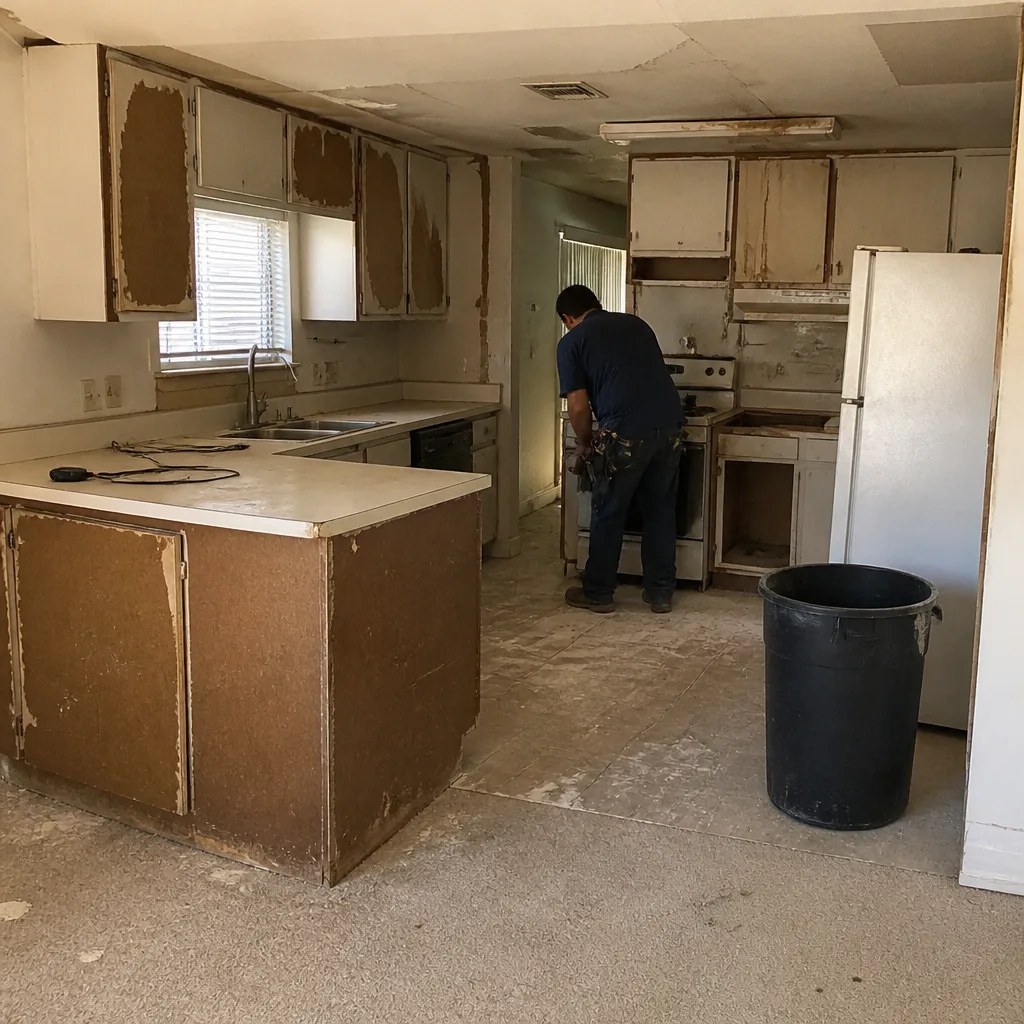
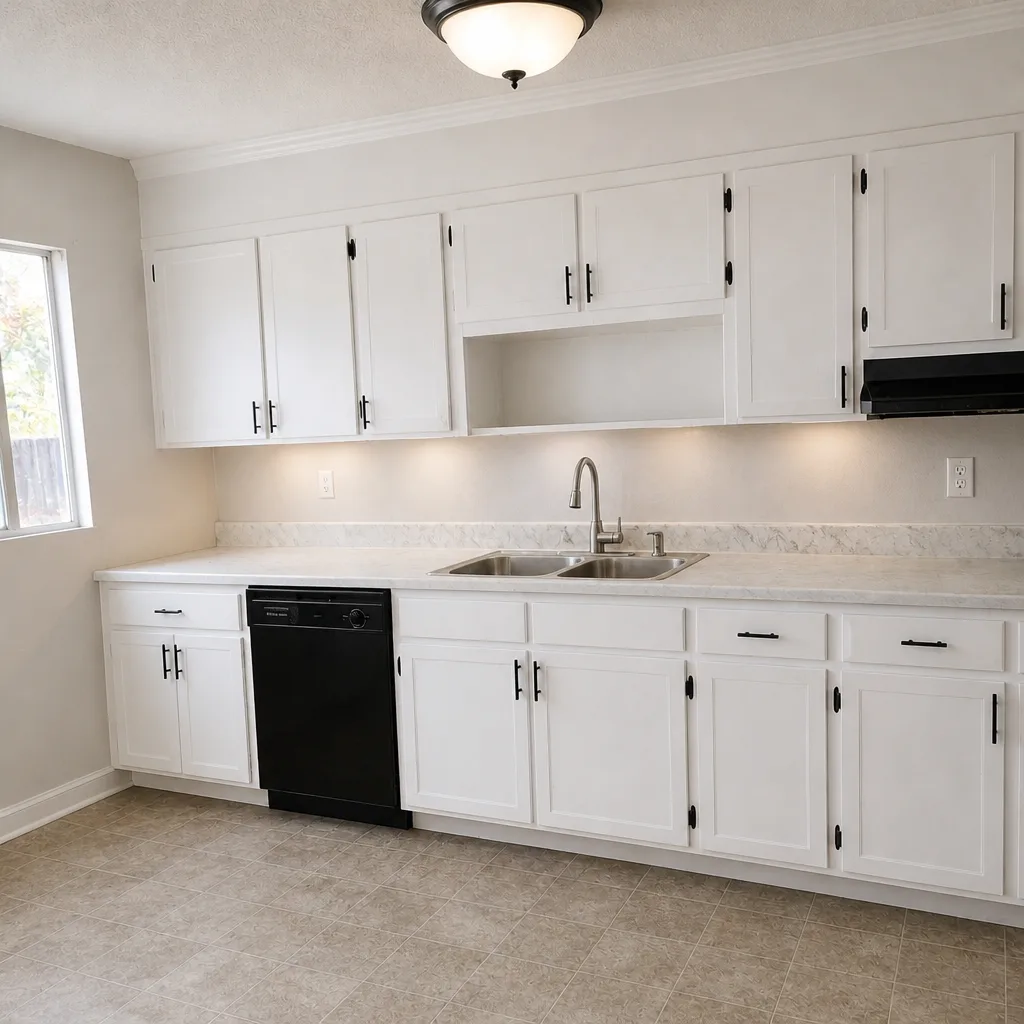
See the difference
 Before
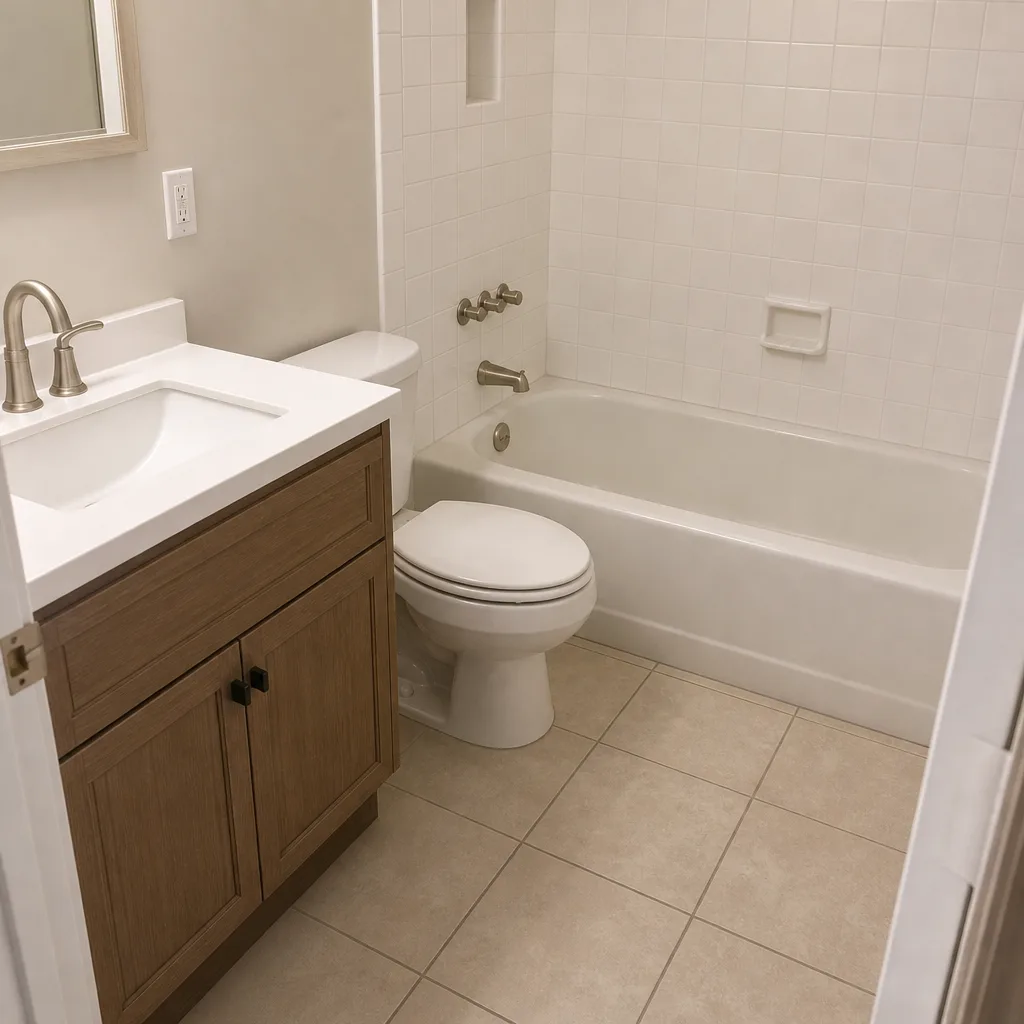 After
 Before
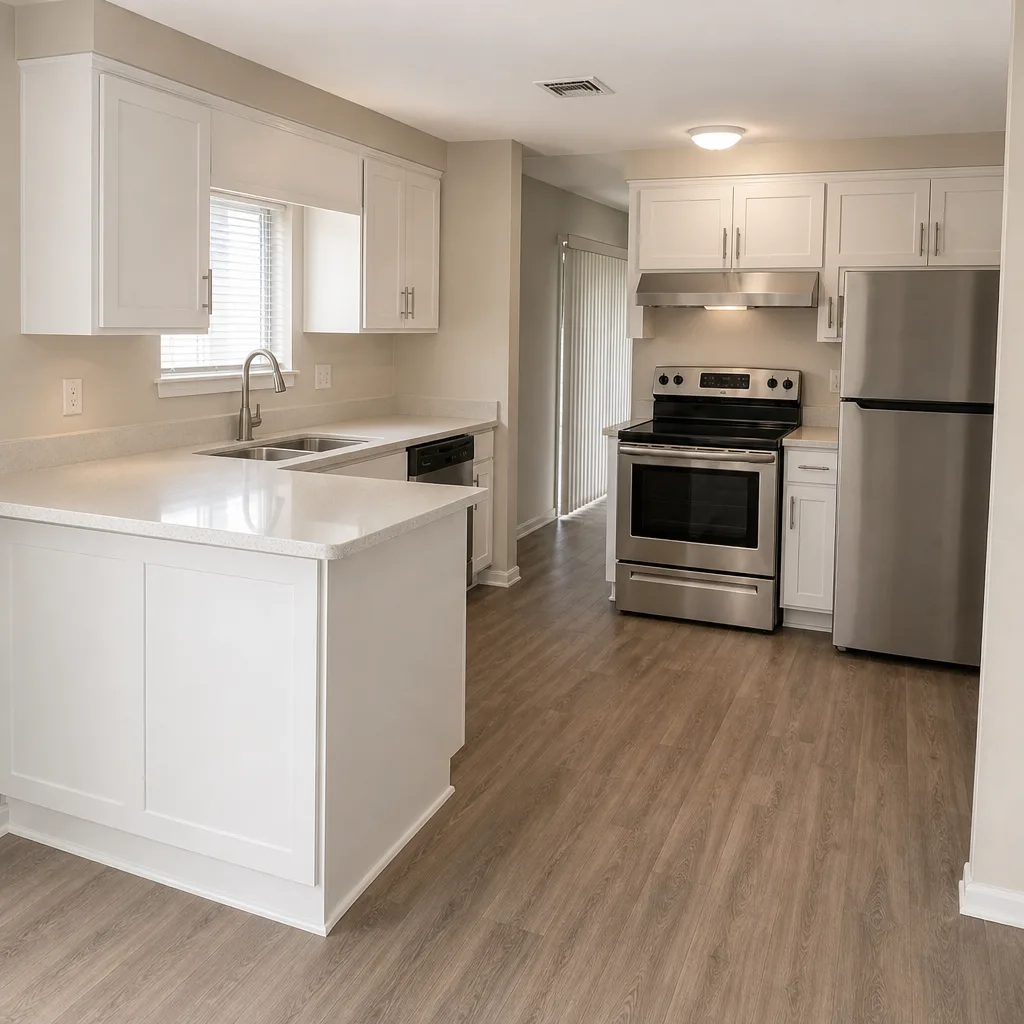 After
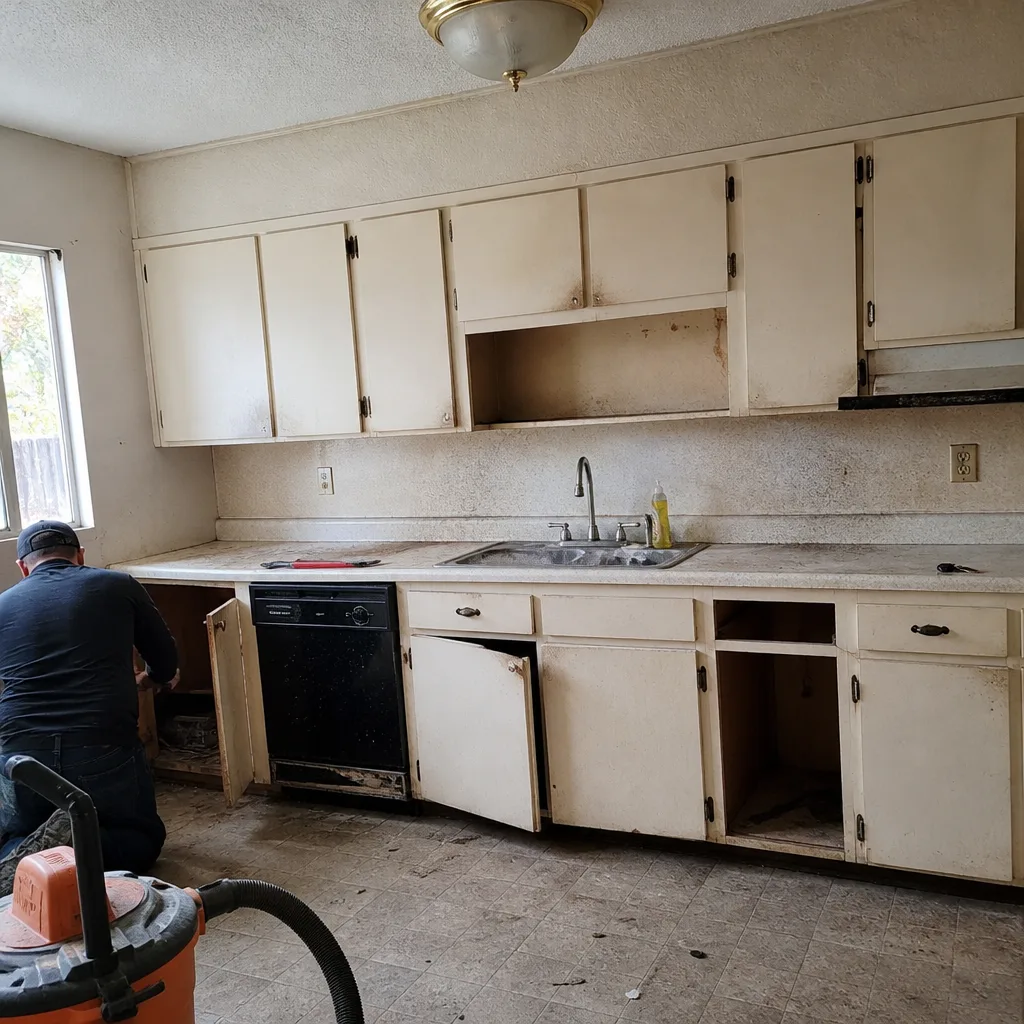 Before
 After
When to Call a Professional
Call a professional when a post moves under hand pressure, when a footing has visibly tilted, when a diagonal block crack appears, or when a wind event has taken out multiple posts in a run. Those are footing and structural decisions where the wrong depth or a hidden crack costs more than the original repair. Gate carriage rebuilds, footing excavation through caliche, and anything involving a common wall shared with a neighbor are also jobs worth handing off. Rowan Construction Group Las Vegas offers free estimates in Las Vegas and brings a Free Second Opinion on any written estimate, reviewed line by line at no charge. Call (833) 467-9123 to schedule your free estimate.
Frequently Asked Questions
Most Las Vegas fence repairs run $150 to $450: post replacement sits around $150 to $350, footing repair $200 to $450, and a rail or bracket fix $60 to $150 per panel. Warped vinyl panels re-rack for $75 to $200 or replace for $120 to $350. Call (833) 467-9123 for an exact quote. Estimates are free.
Vinyl fence panels warp in Las Vegas because of thermal expansion: an 8-foot panel can grow up to 1 inch in summer heat, and if it was installed with no gap it has nowhere to go but out of plane. Thin-wall and dark-colored panels on west-facing runs are the most vulnerable. Re-racking or replacing with a heavier panel is the fix.
A leaning post is rarely an emergency by itself, but a post that moves under hand pressure or sits in a run that failed in a windstorm should be addressed quickly before the load transfers to neighbors. Measure the offset, check for rot at grade, and decide from there. Call (833) 467-9123 to get a professional read on it.
A hairline crack under 1/16 inch along a mortar joint can be tuck-pointed and sealed as a minor repair. A diagonal crack wider than 1/8 inch or a stair-step pattern needs an engineer’s review before repair, so don’t patch over it. Call (833) 467-9123 and we’ll help you tell the difference.
A dragging gate is usually a hinge or turnbuckle problem, not a broken gate, so adjustment fixes most of them for $100 to $250. Tighten the turnbuckle in small increments and check the latch after each turn. A cantilever gate that binds often needs a carriage or track adjustment instead.
Document fence damage by measuring and recording the top-of-post lean post by post with dates, photographing the base at grade, and capturing any crack or bow with a tape measure in frame so the scale is verifiable. Keep a written log of when you first noticed it and when you reported it. Our documented photo record comes standard when we do the repair.
The Bottom Line
Diagnose before you buy. In Las Vegas, post lean on wood is almost always rot at grade, while post lean on steel is almost always an undersized footing, and the two need opposite repairs. Vinyl warping and joint separation are thermal expansion and get fixed by re-racking or replacing panels, not concrete. Gate sag is usually a hinge or turnbuckle adjustment. CMU cracks are cosmetic when hairline and structural when diagonal, and diagonal means an engineer’s review first. Document with measurements and scale-reference photos from the start. Match the repair to the failure and the money goes to the right place.
Call Rowan Construction Group Las Vegas at (833) 467-9123 for a free estimate on any fence repair. The price is written before work starts, the photo record comes standard, and the 365-Day Done Right Promise backs the work: if it isn’t done right, we make it right.
Written by the team at Rowan Construction Group Las Vegas.