Last updated November 18, 2026
Free written scope consultation - allowances, timeline, and change-order rules on paper before a single trade is scheduled
Choosing the Right Construction Brand: A Buyer’s Guide for Las Vegas
Several nationally advertised shingle brands carry a Class 4 impact rating and a lifetime warranty, and both of those credentials are true – right up until the fine print excludes sustained ambient temperatures above 110°F. Las Vegas clears that threshold for 60 to 90 days a year. So the warranty you paid a premium for can be void exactly when the desert tests it. Brand selection here isn’t a style decision; it’s a performance specification. This guide shows you how to read a technical data sheet, which brands hold up under Mojave conditions and which don’t, how to verify a contractor actually installed what they specified, and what the real cost-per-year math looks like.
Quick Answer
The right construction brand for Las Vegas is the one whose published technical data sheet lists a service temperature range, UV exposure rating, and humidity tolerance that match the Mojave climate – not the one with the best national marketing. In practice that means checking the spec sheet against summer conditions of 110°F-plus, UV index readings that regularly hit 11 or 12, and single-digit humidity before you approve any product. A brand that performs well in Seattle can carry a documented history of heat-related warranty claims here.
Styles & brands we work with
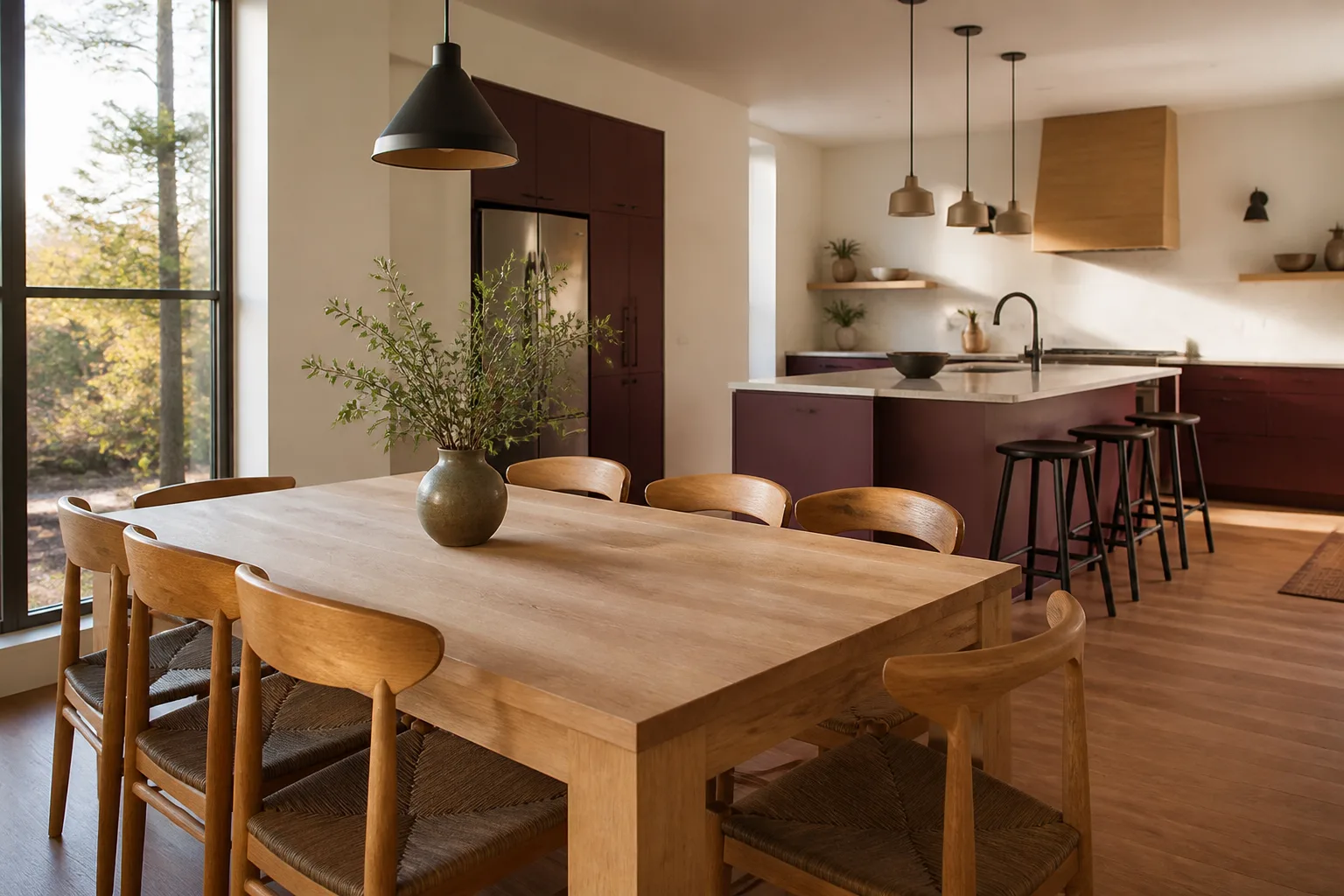
- Kitchen remodeling
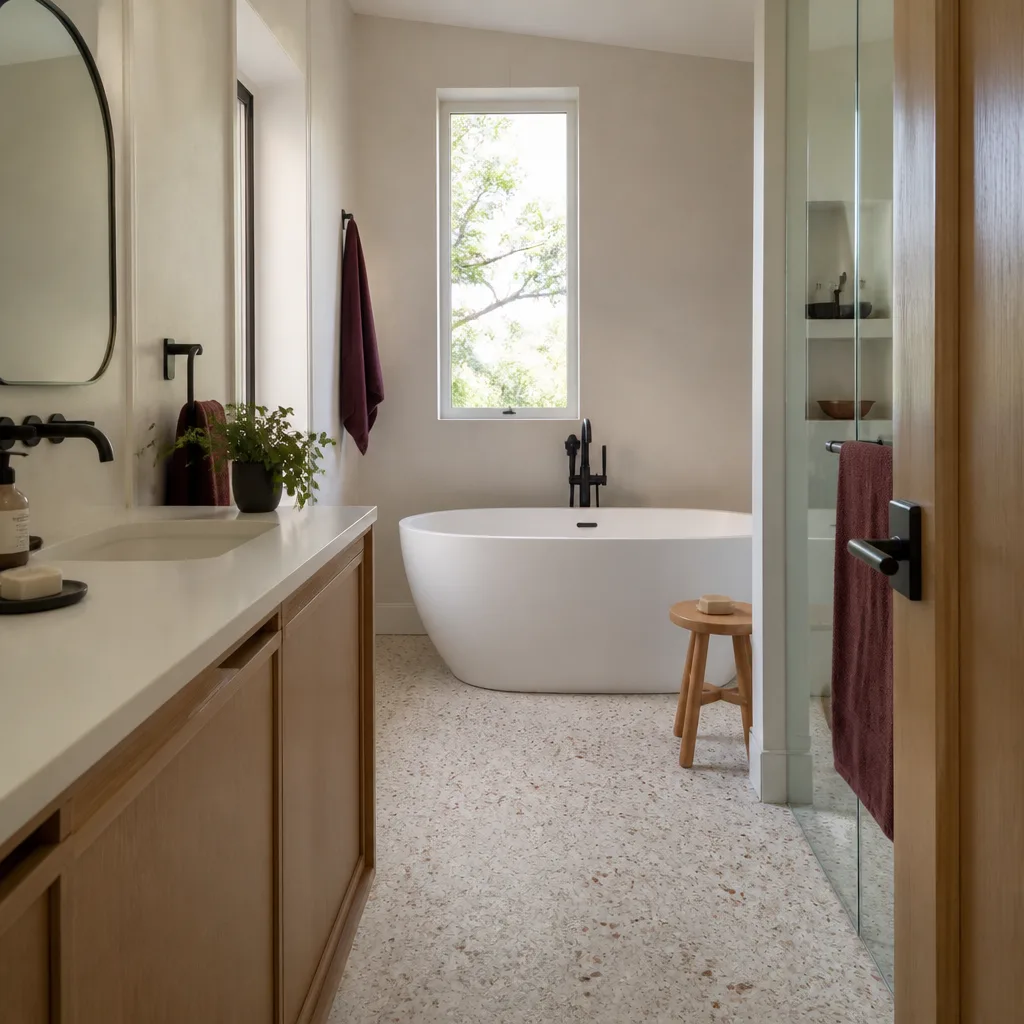
- Bathroom remodeling
- Home additions & ADU
- Roofing
- Windows & doors
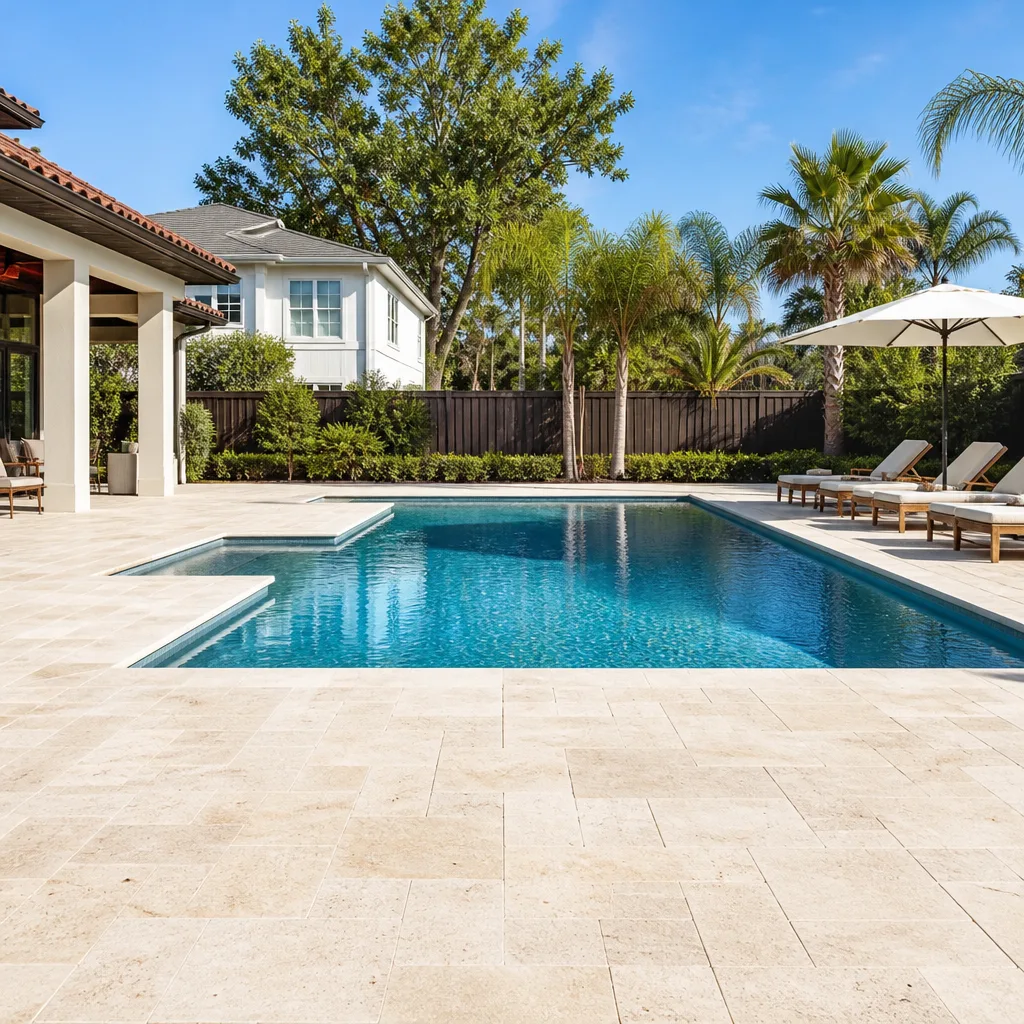
- Driveway & pavers
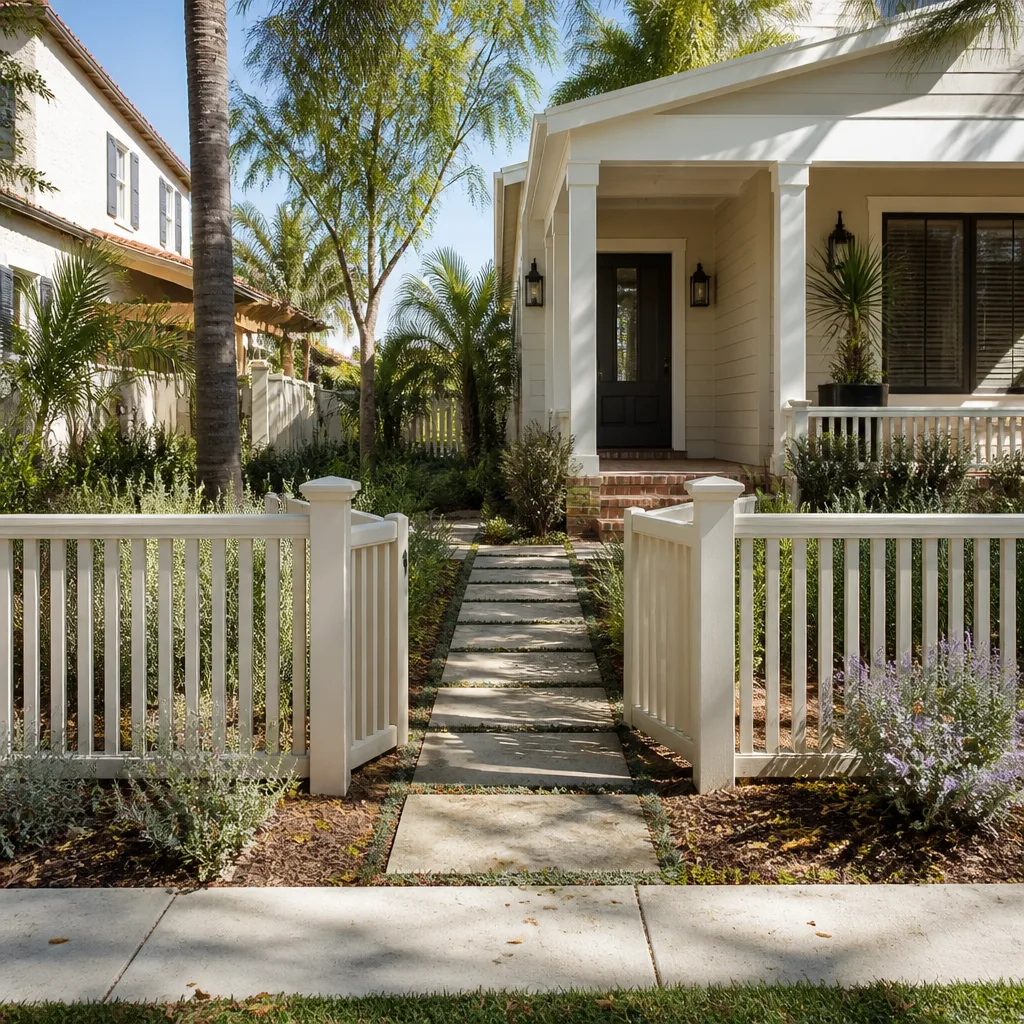
- Fence
Table of Contents
- How to read a technical data sheet for desert suitability
- Brand performance by trade: what holds up and what fails
- Reading the warranty fine print that catches Las Vegas homeowners
- How to verify the brand your contractor actually installed
- Price vs. performance: calculating cost per year of service life
- Common mistakes to avoid
- When to call a professional
- Frequently asked questions
How to Read a Technical Data Sheet for Desert Suitability
Every reputable building product has a technical data sheet, and it is usually buried three clicks deep on the manufacturer’s site. The marketing page tells you the shingle is “engineered for durability.” The data sheet tells you the service temperature range, and that’s the document that matters in Las Vegas. Here are the specific fields to find and what to look for:
- Service temperature range. This is the ambient temperature window the product is rated to perform in. You want a stated upper limit at or above 130°F for exterior surfaces. Roof decks in direct July sun routinely run 30 to 40 degrees hotter than ambient air – a 112°F afternoon can put a dark shingle surface near 160°F. If the sheet caps at 110°F, that’s a hard pass.
- UV exposure rating. Look for an accelerated weathering test with hours stated (often tied to ASTM G154 or similar). Las Vegas averages roughly 3,800 hours of sunshine a year with a summer UV index of 11 or higher. A product tested to 1,000 hours of UV cycling tells you nothing about a decade of Mojave sun.
- Humidity and thermal cycling range. Desert climates swing from 15% relative humidity to monsoon-season spikes of 40% inside a week, and from 45°F nights to 105°F days. Products rated for “stable humidity environments” will crack, cup, or delaminate on that cycle.
- Color and solar reflectance data (SRI). Solar Reflectance Index numbers tell you how much heat the surface sheds. Cool-rated stuccos and coatings run SRI 78 and above; traditional dark finishes run in the 20s. On a west-facing wall, that difference shows up on your summer power bill.
- Wind and uplift ratings. Las Vegas valley wind is usually mild, but monsoon microbursts produce 60 mph gusts. Look for a stated design pressure rating in psf, not a vague “high wind” badge.
If a manufacturer won’t publish these fields, that’s your answer. A brand confident in its desert performance prints the numbers. A brand that doesn’t is betting you won’t ask.
Brand Performance by Trade: What Holds Up and What Falls Short
In our experience across Las Vegas roofs, walls, and driveways, the same handful of brands come up again and again – some because they last, some because they fail predictably. Here’s how the major categories shake out under desert conditions.
Roofing membrane and shingles
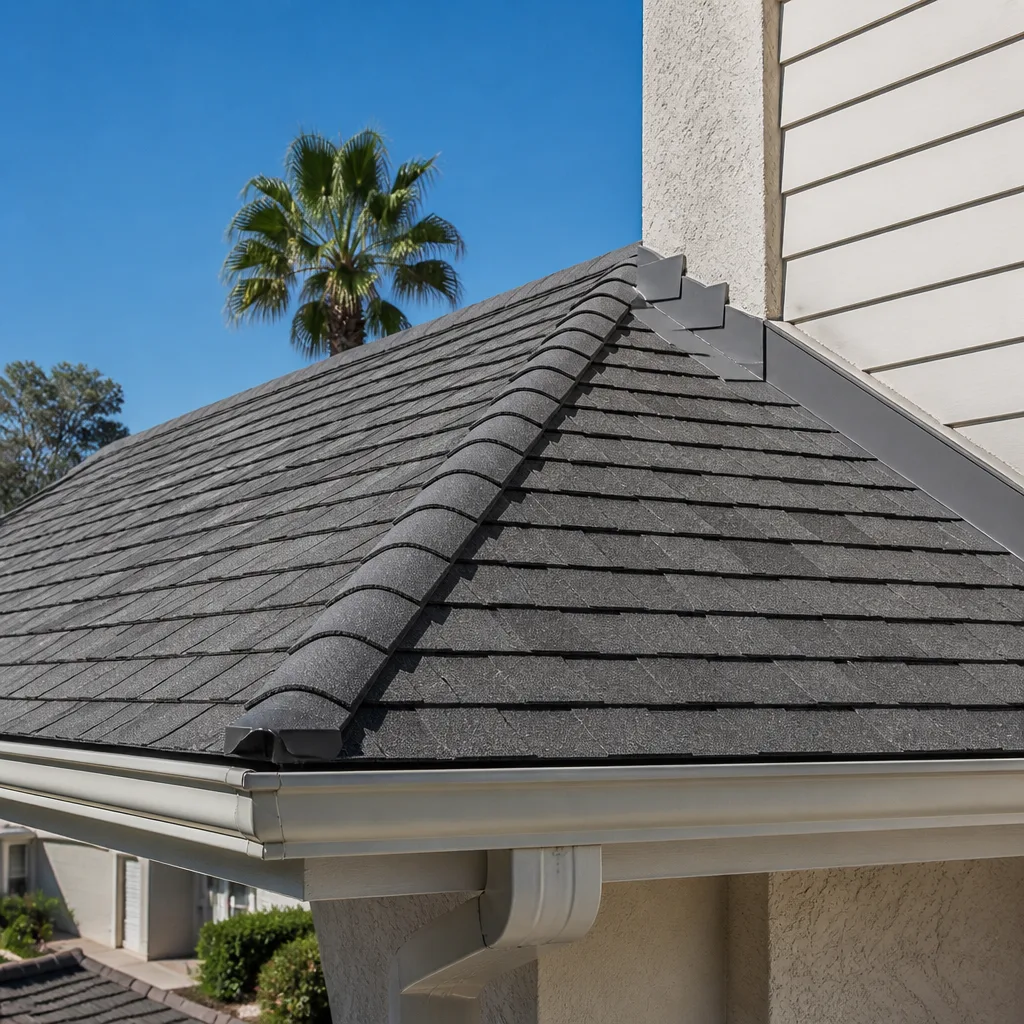
Asphalt shingles dominate Las Vegas residential roofs, and GAF and Owens Corning both publish desert-rated product lines with Class 4 impact ratings and documented service temperatures. Ask specifically for the desert or high-heat variant within the brand – not the base line. On flat and low-slope roofs, TPO and modified bitumen membranes outperform standard built-up roofing in UV resistance, though TPO’s white surface also cuts attic heat load. Single-ply membranes installed over poorly vented decks are a common failure point; the deck ventilation matters as much as the membrane brand.
Stucco mix and exterior cladding
Three-coat stucco remains the dominant exterior finish in Las Vegas and it performs well when the mix is right. The failure pattern we see is not brand-driven but mix-driven: cement ratios pushed too lean to save a few dollars, or acrylic additives skipped on south- and west-facing walls. Elastomeric finish coats with documented UV stability are worth the upcharge on those exposures. Fiber-cement cladding from a major manufacturer can work here if the paint system is rated for high UV; bare fiber cement without a UV-rated topcoat chalks within three summers.
Exterior paint
Paint is where the wrong brand shows up fastest. Look for products with a documented 10-year-plus fade and chalk resistance warranty and an SRI-friendly light-color palette. Light colors aren’t just a style choice in Las Vegas – a dark south wall can hit 170°F surface temperature while a light one of the same material stays near 120°F. Cheap exterior acrylics without UV-blocking packages fail in two to three summers here, while a properly specced 100% acrylic system routinely lasts seven to ten.
Concrete admixtures
Las Vegas concrete slabs and driveways live through thermal cycling that cracks ordinary mixes. Look for suppliers using air-entrainment and shrinkage-reducing admixtures, and for contractors who specify a minimum 4,000 psi mix for driveways rather than the 2,500 psi builder-grade mix. Pavers from Belgard and Techo-Bloc, set on a properly compacted base, outperform poured concrete in this climate because they flex with ground movement rather than cracking – a point worth weighing when you compare Driveway & Pavers in Las Vegas.
HVAC equipment and prefab structures
HVAC equipment ratings matter as much as brand names here: a unit rated to the standard DOE test conditions carries a derated capacity at 110°F ambient, so sizing needs an explicit desert calculation. On the prefab side, brands like Plant Prefab and Mighty Buildings publish climate-zone engineering data that’s worth reading against our summer extremes before committing to a modular structure.
Reading the Warranty Fine Print That Catches Las Vegas Homeowners
Manufacturer warranties are written by attorneys, and the exclusions are where Las Vegas loses. The most common traps we see:
- Sustained high-temperature exclusions. Language like “void where ambient temperature exceeds 110°F for extended periods” sounds reasonable until you realize Las Vegas sustains that range for two to three months a year. If a roof shingle warranty contains this clause without a stated performance tolerance, your coverage is effectively seasonal.
- UV degradation exclusions. Some warranties exclude damage from “excessive ultraviolet exposure” without defining it. Las Vegas exceeds UV index 10 for much of the year, which a manufacturer can argue is excessive. Ask for the definition in writing.
- Color fade and chalk clauses. Many paint warranties guarantee fade resistance “within normal limits” – a standard that often caps at a Delta E color shift of 5, which desert sun can produce in four or five years. Read the numeric tolerance.
- Installation exclusions that shift blame to the contractor. Manufacturer warranties typically require installation to spec, so a wrong fastener, an underlayment substitution, or a missing flashing voids coverage. That’s why the installation documentation matters as much as the product brand.
- Transferability limits. Some warranties die with the first owner or expire after 10 years of a 30-year nominal term. Verify the actual prorated coverage timeline before you assume “lifetime” means anything.
Under our Haven Standard, the 365-Day Done Right Promise covers what we install for a full year, and it’s printed on the page rather than buried in an asterisk. But no contractor’s promise can rescue a product whose manufacturer warranty was already void on day one. That’s why we read the fine print before we specify.
How to Verify the Brand Your Contractor Actually Installed
A specified brand and an “approved equal” substitution are different things, and the gap between them is where corners get cut. Here’s the verification process we walk every customer through, and the one you should demand from any contractor in Las Vegas:
- Get the brand and model in the written scope. The quote should name the product line, not just the category. “GAF Timberline HDZ” is a specification. “Architectural shingles” is an invitation to substitute.
- Request the delivery receipt. Every material delivery from a supplier comes with a receipt listing product, quantity, and sometimes lot number. Ask for a copy. If your contractor can’t produce one, the material on your roof may not be what you paid for.
- Check the labeling on-site before installation. Branded products carry factory labels. Bundles on the roof, bags of stucco mix, cans of paint – the wrapper tells the story. A crew that objects to you looking at labels is telling you something.
- Photograph the packaging and the installation. Our crews document every visit with a photo record as a standard deliverable. You should have your own copies too, including the product labels, the underlayment, and the flashing before it’s covered.
- Verify “approved equal” substitutions against the original spec. If a contractor proposes a substitution mid-project, ask for the technical data sheet for the substitute and compare it field by field to the specified product. A substitution that lowers the service temperature rating isn’t equal.
The same discipline applies to every trade we quote – a written price before work, a written scope naming the product, and documentation at every stage. That’s Clause 1 of the Haven Standard, and it’s the reason we’ve been able to keep projects within a few percent of the agreed cost across 4,000-plus jobs since 2007.
Price vs. Performance: Calculating Cost Per Year of Service Life
The cheapest product is rarely the cheapest decision in Las Vegas. Run the math on a per-year basis and the picture flips. Here are the ranges we see on the categories homeowners ask about most:
- Roofing shingles: Standard-spec architectural shingles run roughly $1.50 to $2.25 per square foot installed. Desert-rated shingles with documented high-heat and UV performance run $2.25 to $3.50. If the standard-spec product lasts 12 years before heat-related failure and the desert-rated one lasts 25, the per-year cost is $0.19 versus $0.14 – the “expensive” shingle is cheaper to own.
- Exterior paint: Builder-grade acrylic runs around $2.00 to $3.00 per square foot installed with a 3- to 5-year effective life. A UV-rated 100% acrylic system costs $3.50 to $5.00 and routinely lasts 8 to 10 years, cutting the per-year cost by roughly a third.
- Driveways: Poured concrete runs $8 to $12 per square foot installed; interlocking pavers run $12 to $20. Concrete in Las Vegas frequently cracks at control joints within 5 to 8 years, while pavers on a properly compacted base last 25-plus. The pavers cost more up front and less per year, and they can be lifted and reset if a utility line needs service.
- Windows: Standard dual-pane windows run $450 to $750 per opening; low-E units with desert-rated solar heat gain coefficients run $650 to $1,100. The SHGC difference of 0.10 to 0.15 in a west-facing window can cut summer cooling load enough to notice on a July bill.
The point isn’t that the desert-rated product always wins. It’s that the comparison has to run over expected service life, not the day of the invoice. And when the product brand and the installation quality both meet spec, the lower annual cost usually falls out clearly.
Brand Performance by Structures and Additions
Home additions in Las Vegas have a brand question of their own: structural systems, window and door assemblies, and the material packages that go into an ADU. Accessory dwelling units have become a significant part of the market here, and the prefab brands advertise climate performance that deserves the same scrutiny as any shingle. Tuff Shed and Boxabl both publish engineering specs; read them against our thermal cycling range. A prefab unit engineered for moderate climates may need an upgraded envelope, higher-SEER mechanical equipment, and additional insulation to hold up to a Las Vegas July – none of which is a dealbreaker, all of which belongs in the written scope. The same is true of modular options like Plant Prefab and Mighty Buildings, which publish climate-zone data worth comparing before you sign. When you’re evaluating Home Additions & ADU in Las Vegas, the brand question is really about whether the system was engineered for the Mojave or merely available here.
What About the Contractors Behind the Brands?
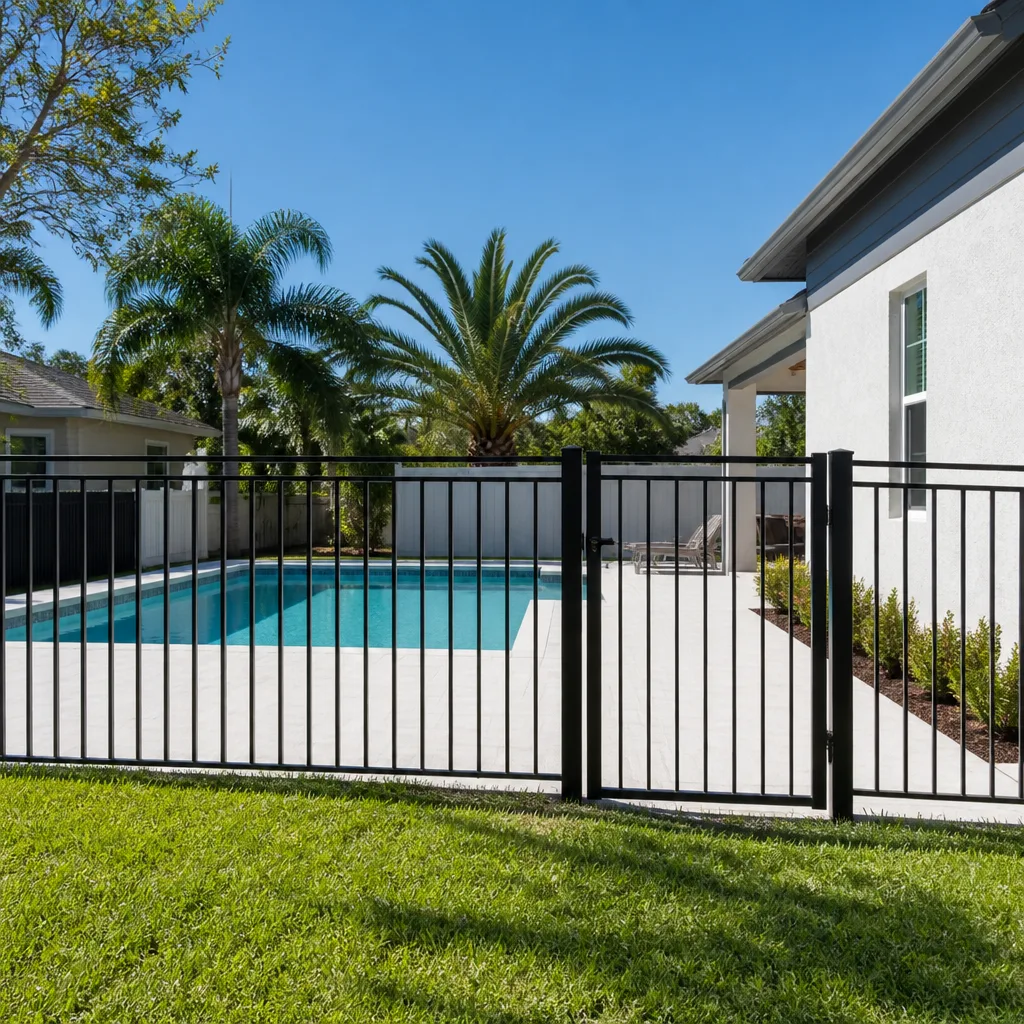
A brand is only as good as the crew installing it. The same desert-rated shingle performs to spec on a properly vented deck with new underlayment and fails early on a re-roof over wet sheathing. That’s why our vetting process looks at the installation discipline as closely as the product spec: background-checked, uniformed technicians, a documented photo record on every visit, and a written price with a written scope before any tool comes out of the truck. Our technicians have up to 19 years of experience with desert installations, and every job is backed by the same 365-Day Done Right Promise. A live person answers our calls around the clock; a text confirmation to schedule is always an option. It’s the same standard for a roof, a fence, a window, or a driveway – window brands get named, Fence Installation in Las Vegas spec sheets get read, and the quote in writing matches the invoice at the end.
See the difference
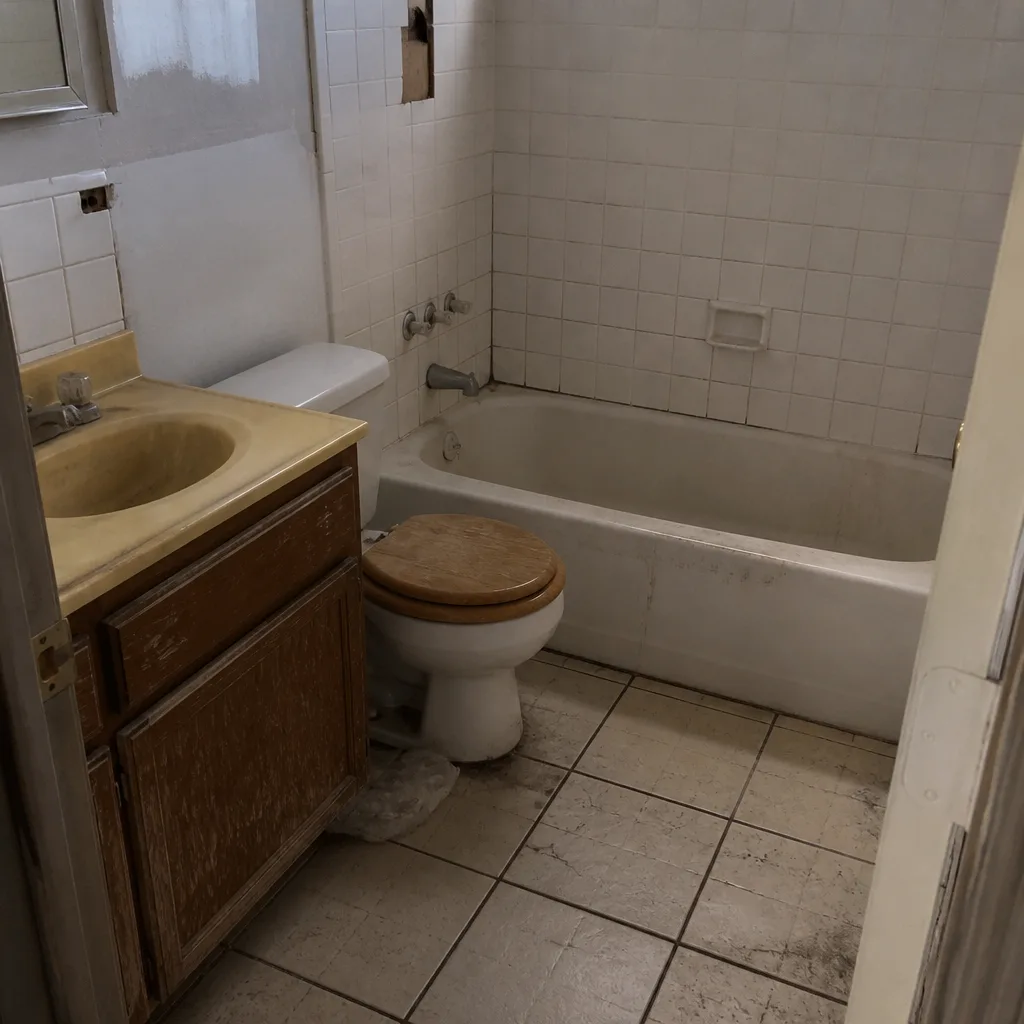 Before
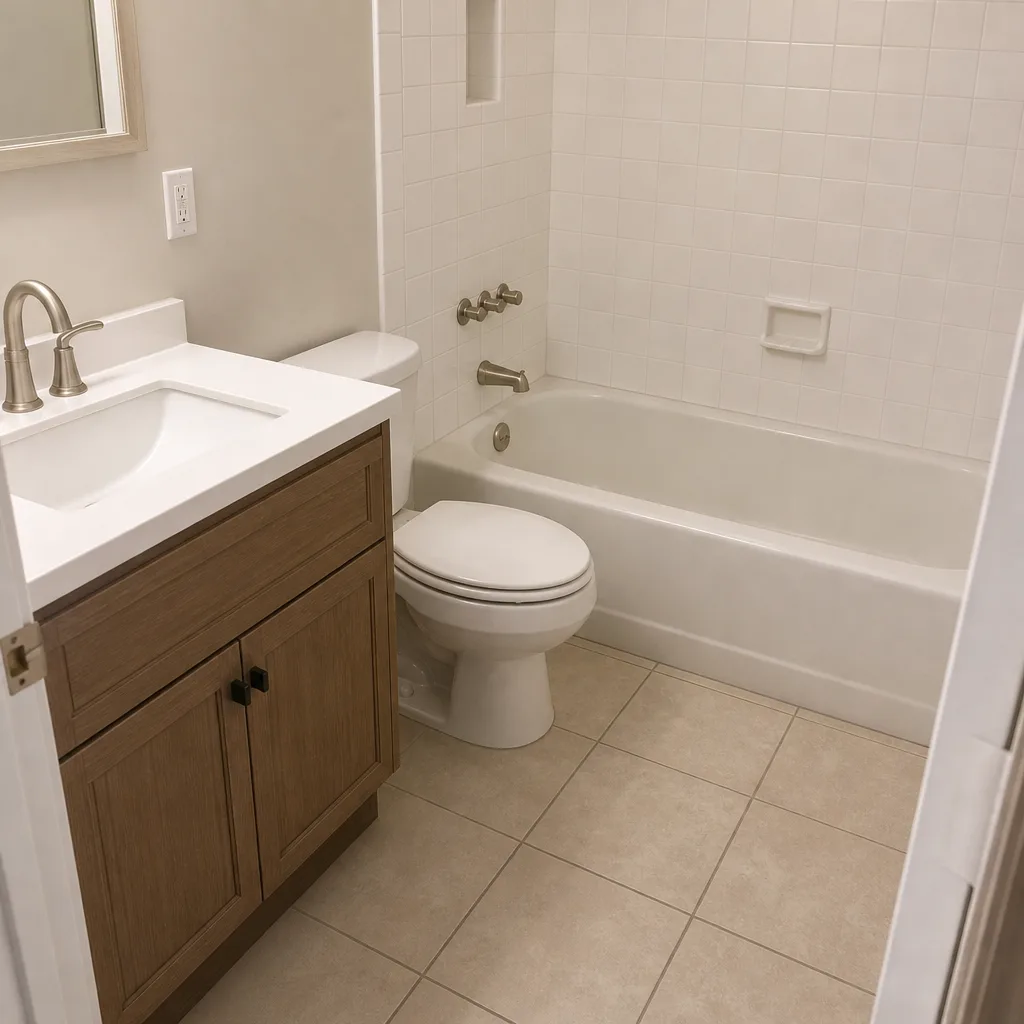 After
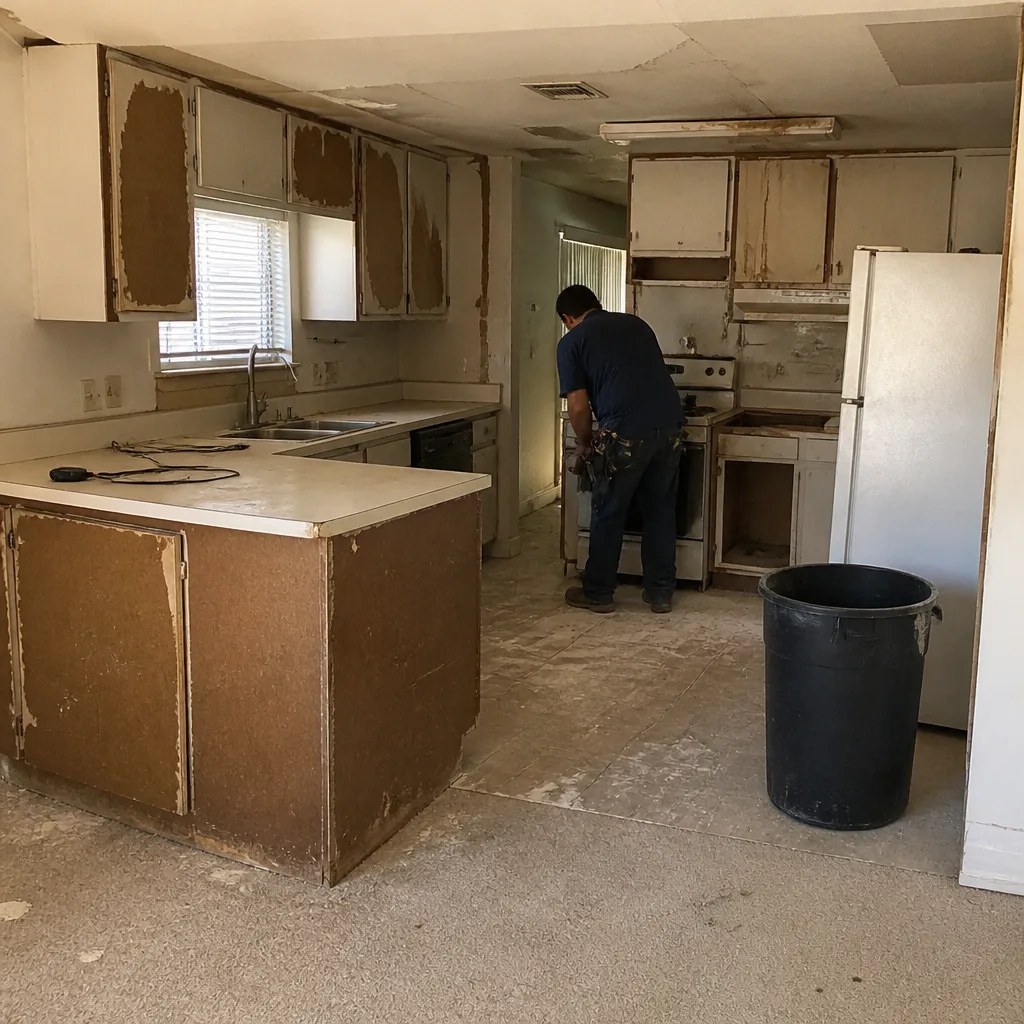 Before
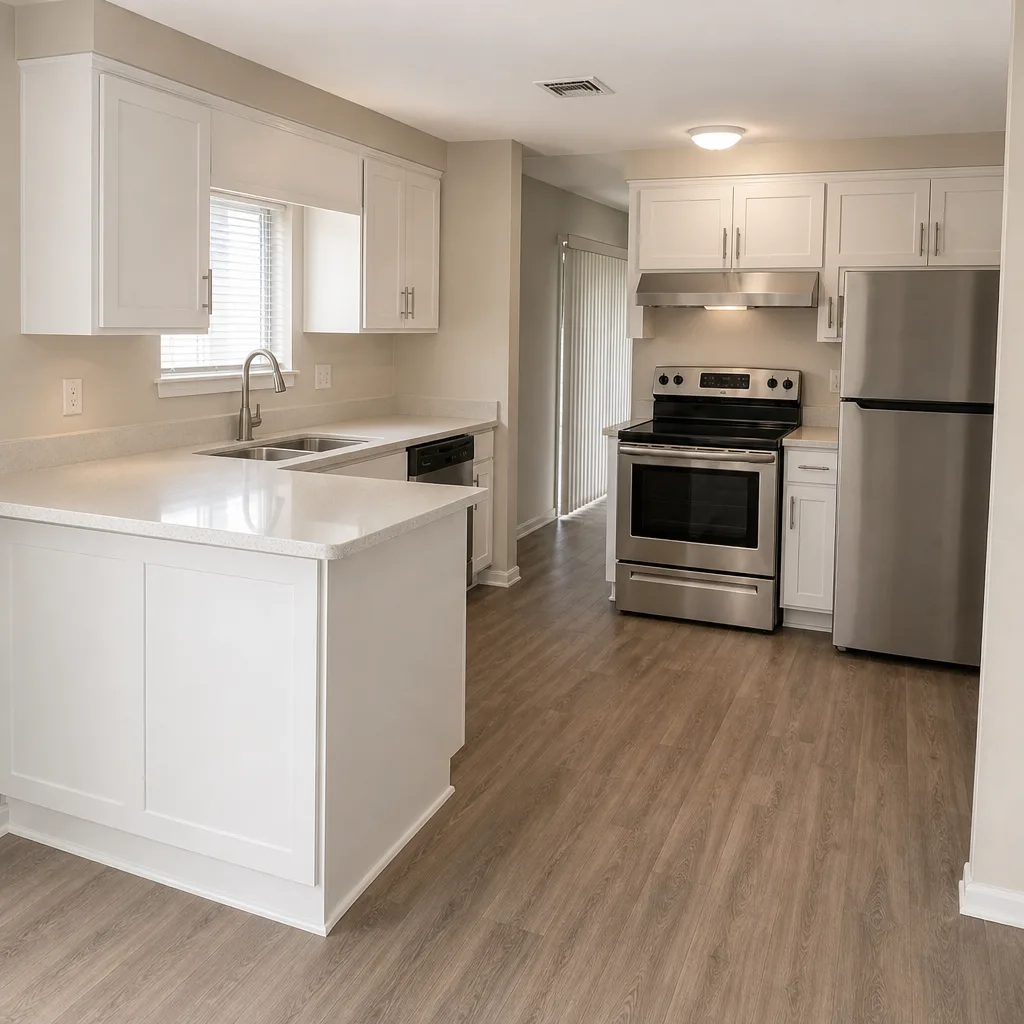 After
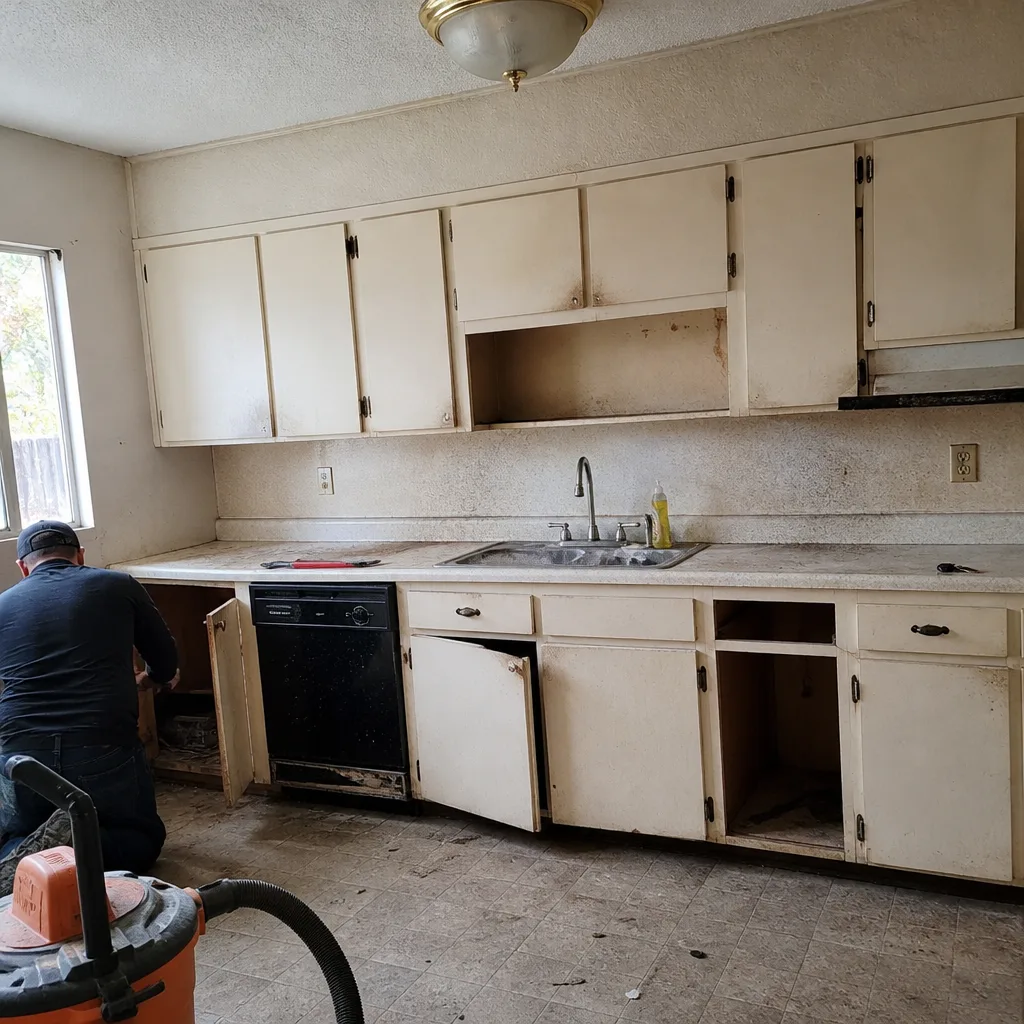 Before
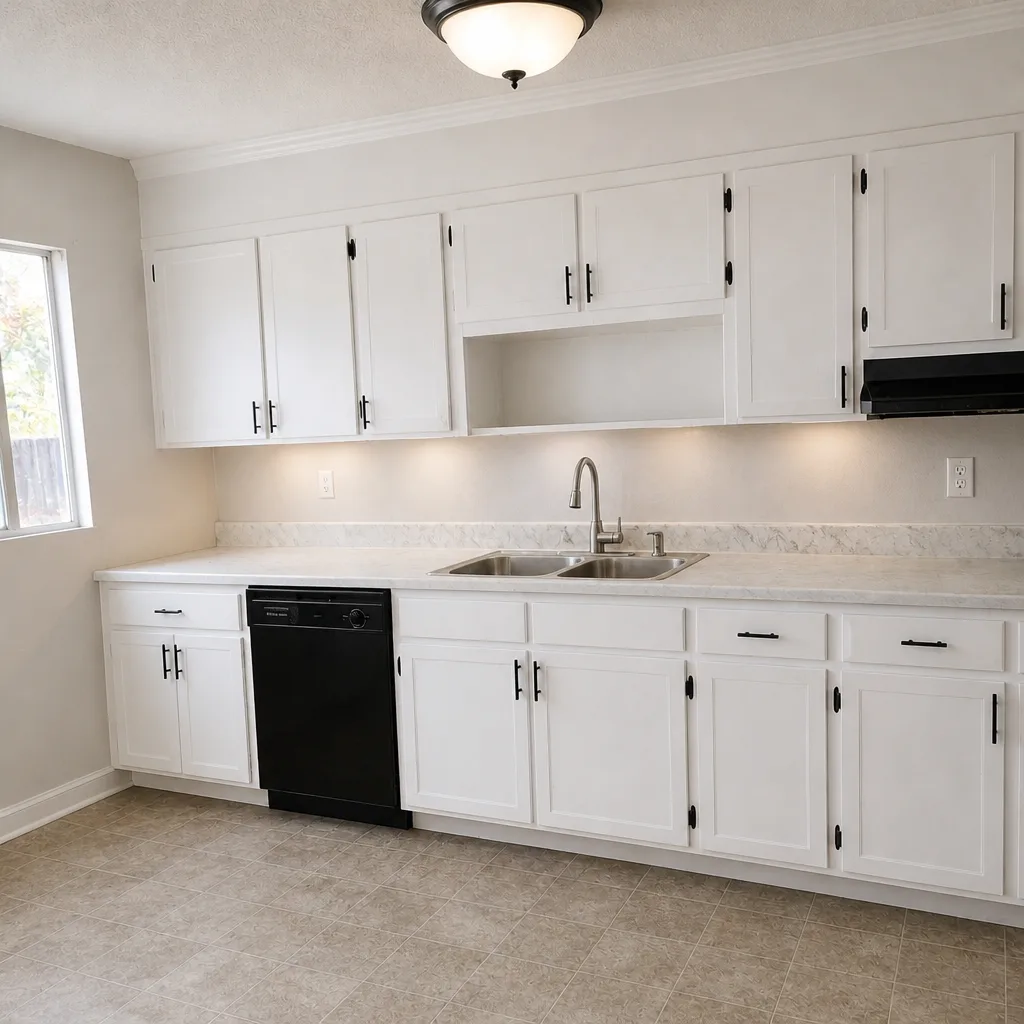 After
Common Mistakes to Avoid
- Buying the brand on the billboard, not the data sheet. National advertising tells you nothing about service temperature ratings. A brand that wins awards in Chicago may carry a documented history of heat-warranty claims in the Mojave.
- Accepting “architectural shingles” as a specification. The product line has to be named. “Approved equal” substitution is where the desert rating quietly disappears. Ask for the model number on the quote.
- Ignoring warranty exclusions until year four. Read the fine print before you sign – the same clause that excludes sustained high-temperature exposure voids your coverage in a Las Vegas summer.
- Skipping the delivery receipt and label check. The cheapest substitution in construction is the material you can’t prove was installed. Demand the paperwork.
- Comparing only the day-one price. The standard-spec product often costs less up front and more per year. Run the math over expected service life, including a modest allowance for early replacement.
- Choosing a brand without matching the installation system. A desert-rated product installed with non-rated fasteners or underlayment fails on the weakest component. The system matters as much as the brand.
- Taking “we’ve always used this brand” as a quality signal. The question isn’t tenure; it’s documented performance. Ask for the technical data sheet, the warranty, and the install record.
When to Call a Professional
Some brand decisions are safe to research and make on your own. Others aren’t, because the interaction between product and installation is where failures happen. Call a professional when you’re choosing a roofing system and the deck ventilation hasn’t been verified; when you’re specifying stucco mix and the wall substrate condition is unknown; when you’re sizing HVAC equipment and the load calculation is more than a rule of thumb; or when you’re pricing a driveway and the base compaction hasn’t been tested. In each case, the material spec and the site conditions have to be read together, and getting that wrong is what turns a desert-rated product into a short-lived one. Rowan Construction Group Las Vegas offers free estimates across all seven trades, and our Free Second Opinion on any written estimate is a line-by-line review of the brand specifications at no charge. If the product in your current bid doesn’t match the conditions, we’ll show you where. Call (833) 467-9123 to schedule yours.
Frequently Asked Questions
For most Las Vegas homes, the answer is a desert-rated asphalt shingle from a major manufacturer like GAF or Owens Corning, chosen by product line rather than by brand name alone. The specific line matters more than the logo on the bundle: ask for the technical data sheet and confirm the service temperature rating clears 130°F at the deck. Class 4 impact ratings help with monsoon hail, but heat performance is what determines how long the roof lasts here. Call (833) 467-9123 for a free estimate that names the exact product line.
Often it doesn’t, or it covers far less than the term suggests. Most “lifetime” shingle warranties carry an exclusion for sustained temperatures above 110°F, and Las Vegas exceeds that for 60 to 90 days a year. The coverage is usually prorated and often non-transferable, so the effective protection is much shorter than the name implies. Read the service temperature clause and the proration schedule before you sign anything. We’ll review your warranty line by line at no charge when you call (833) 467-9123.
You verify it with three documents: the delivery receipt from the supplier, the factory labels on the packaging on-site, and photographs of both before installation. Any contractor with a documented process can produce these. The substitution risk is real – “approved equal” can mean a lower-spec product – so the specification has to be in the written scope by product line. Call (833) 467-9123 for a free estimate that includes the exact brand and model on the quote.
A specified brand is the exact product line named in your written scope; an approved equal is a substitute the contractor proposes. The trap is that “equal” is often defined loosely, and the substitute can carry a lower service temperature, shorter warranty, or lower impact rating. The only way to know is a field-by-field comparison of both technical data sheets. Our Free Second Opinion on any written estimate checks this for you at no charge – call (833) 467-9123.
Usually yes, if you run the math over service life instead of day-one price. Desert-rated shingles cost roughly 50% more than standard-spec and often last nearly twice as long, which cuts the annual cost. Paint and driveway products show similar economics when the standard-spec alternative fails early in Las Vegas heat. The calculation depends on your specific exposure – west- and south-facing surfaces benefit most. We’ll work through the numbers on your free estimate; call (833) 467-9123.
In our experience, roofing and exterior paint generate the most brand-related failure calls – not because the brands are bad nationally, but because the low-heat or low-UV product lines get installed in a market that needs the higher-rated lines. Stucco mix comes third, usually from lean cement ratios rather than brand choice. The common thread is that the wrong spec, not the wrong manufacturer, is often the culprit. Call (833) 467-9123 for a free estimate that specifies for the climate.
The Bottom Line
Choosing a construction brand for Las Vegas is a performance-specification exercise, not a brand-loyalty one. Read the technical data sheet before the marketing page. Match service temperature, UV rating, and thermal cycling to Mojave conditions. Read the warranty fine print for exclusions that our climate triggers routinely. Verify installation with delivery receipts and on-site labels. And run the cost-per-year math so the upfront price doesn’t hide a shorter service life. The right Las Vegas construction partner will write the brand and model into the scope before any work starts – that’s the standard we build to under the Haven Standard, and it’s what we’re happy to put next to any competitor’s bid. When you’re ready to price a project with the brand named and the number in writing, call (833) 467-9123 to schedule your free estimate.
Written by the team at Rowan Construction Group Las Vegas.